Growing up, pizza was a staple in my family’s dinner rotation. We’d often whip up a homemade version, but what really took our pizza nights to the next level was the dough. A great pizza dough can transform a simple meal into a cherished experience.
Today, I’m excited to share my go-to 65% hydration pizza dough recipe. It’s light, chewy, and oh-so-flavorful! Whether you’re throwing a casual dinner party or just trying to impress your family, this dough will have everyone raving.

Welcome to the ultimate guide on how to create a fantastic 65% hydration pizza dough. This unique style of dough is fantastic for achieving that airy, crispy crust everyone loves. As a food enthusiast and registered dietitian, I’ve come to appreciate how important the right dough is to the overall flavor and texture of your pizza.
With just a handful of ingredients, we can build something delicious, versatile, and utterly delightful. Let’s dive deeper into what makes this dough so special!
You Might Like These Recipes!
Italian Vegetable Lentil Soup Recipe
What is 65% Hydration Pizza Dough Recipe?
A 65% hydration pizza dough means that for every 100 grams of flour, you will add 65 grams of water. This usually results in a soft, sticky dough that’s high in moisture. The higher water content allows for optimal gluten formation, which results in a flexible and delicious crust ready to be topped and baked.
The Ingredients
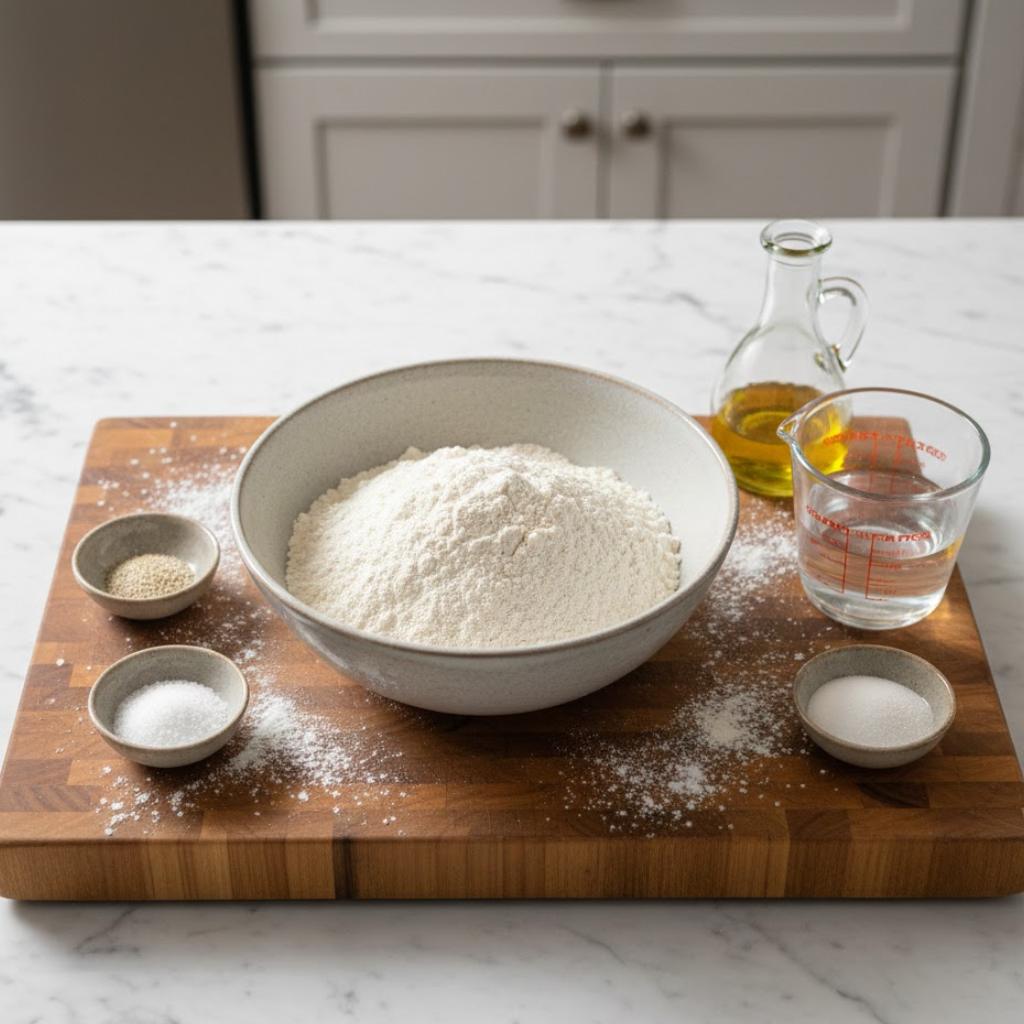
Here’s what you’ll need for this remarkable dough:
– 4 cups (512 g) bread flour or all-purpose flour, plus extra for rolling: This provides structure and chewiness to the crust.
– 3 teaspoons (10 g) kosher salt: Enhances flavor and strengthens gluten.
– 1 teaspoon (4 g) instant yeast: Speeds up fermentation for lightness.
– 1.75 to 2 cups (400 to 454 g) lukewarm water: Activates the yeast for the perfect rise.
– 1 tablespoon olive oil: Adds richness and helps in handling the dough.
– 1 tablespoon sugar: A little sweetness helps the yeast process and improves crust browning.
Ingredients From : alexandracooks.com
How to Make 65% Hydration Pizza Dough Recipe?
This recipe is straightforward and rewarding. You’ll mix your ingredients, let the dough rise, shape it, and finally bake. Let’s get into the nitty-gritty!
Step-by-Step Directions
Step 1: Mixing the Ingredients
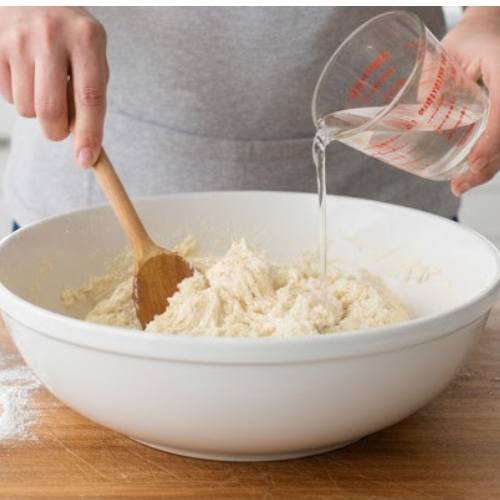
Start by gathering a large mixing bowl. Combine the flour, kosher salt, and instant yeast. Give it a good whisk until everything is well blended. Next, slowly pour in the lukewarm water while mixing with a rubber spatula. You want to combine until the moisture is absorbed and a sticky dough begins to form. The dough should have a somewhat shaggy look; don’t worry, that’s perfect for now!
Step 2: Kneading and Rising
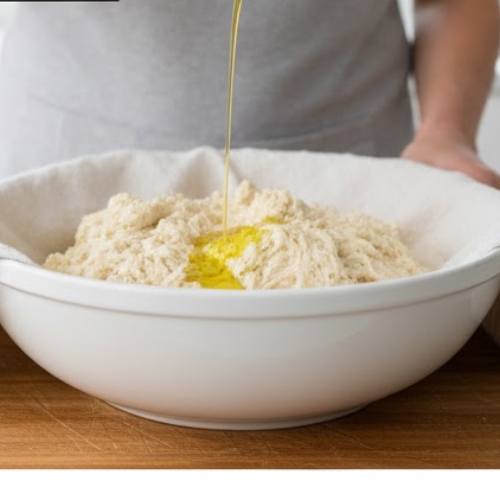
Once you have your dough formed, drizzle a little olive oil over the top. Rub it gently into the dough with your hands, which helps to prevent stickiness. Cover your bowl with a damp kitchen towel or plastic wrap, and place it in a warm spot—this is crucial for the fermentation process. Let the dough rise for about 1 to 1.5 hours, or until it has doubled in size.
Optional Step: For those with a bit more time, I suggest doing a set of folds about 30 minutes after you’ve covered the bowl. Dip your hand in a little water and stretch up the edge of the dough, folding it into the center. Repeat this around the bowl about 8-10 times; this helps strengthen the dough.
Step 3: Preheating Your Oven
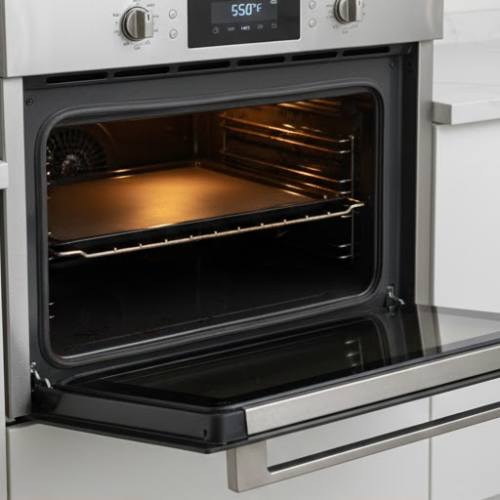
If you’re ready to bake your pizzas, now’s the time to preheat your oven. Place a Baking Steel or pizza stone on the upper rack and preheat to its maximum setting, usually around 550°F. Ensure it warms up for at least 45 minutes after reaching the temperature for the best result.
Step 4: Shaping the Dough
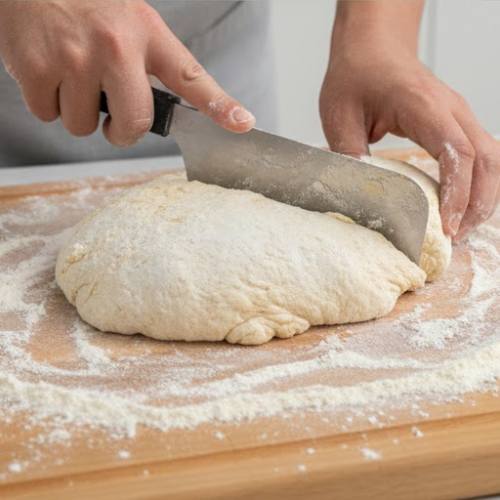
Once your dough has risen, flour your work surface generously. Turn the dough out onto the floured surface. Use a bench scraper to divide the dough into 4 equal portions. With floured hands, roll each portion into a ball. If you’re not baking right away, you can transfer the dough balls into storage containers. Cover them and place them in the refrigerator. If you plan to freeze them, this is a good time to do so! Wrap them well, and they can stay frozen for up to three months.
Step 5: Final Proofing
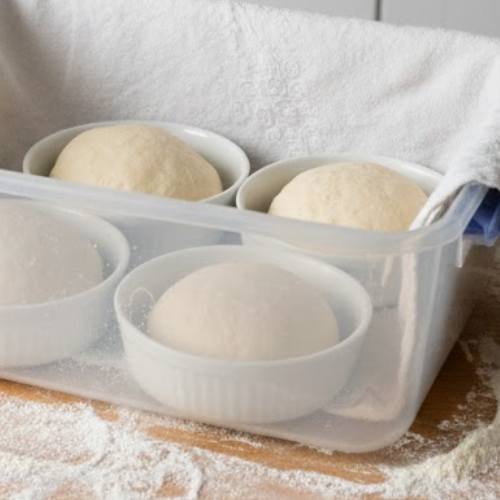
If you’re using dough from the fridge, take out the desired number of rounds 60 to 90 minutes before you want to bake. Let them warm up in a lightly floured container.
Step 6: Preparing the Pizza
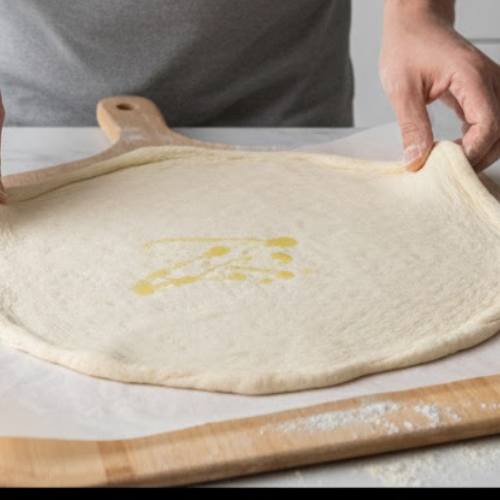
With your dough at room temperature, it’s time to shape it. Handle the dough gently to maintain air that’s been trapped inside. Form each ball into a circle about 10-12 inches in diameter. If it’s done correctly, the dough should stretch easily. Lay a sheet of parchment on your pizza peel. Drizzle a few drops of olive oil on top; this helps to prevent sticking.
Step 7: Topping Your Pizza
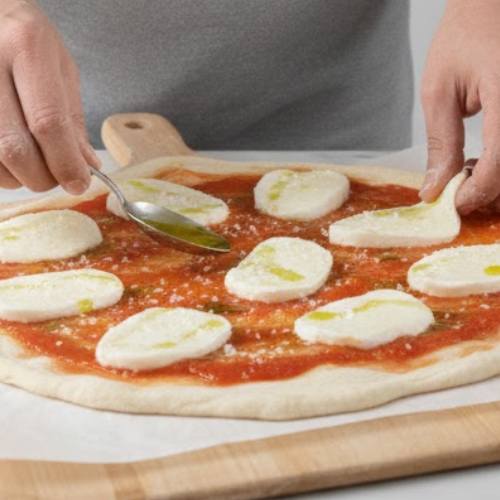
Now, for the fun part! Add your desired toppings. For a classic Margherita, start with a layer of tomato sauce, followed by slices of mozzarella, and finish with a drizzle of olive oil and a pinch of flaky sea salt. Don’t be afraid to get creative; a kale and crème fraîche pizza is also a fantastic choice! Simply toss some kale in olive oil, sprinkle with parmesan, and dollop crème fraîche onto the dough for an exciting twist.
Step 8: Baking
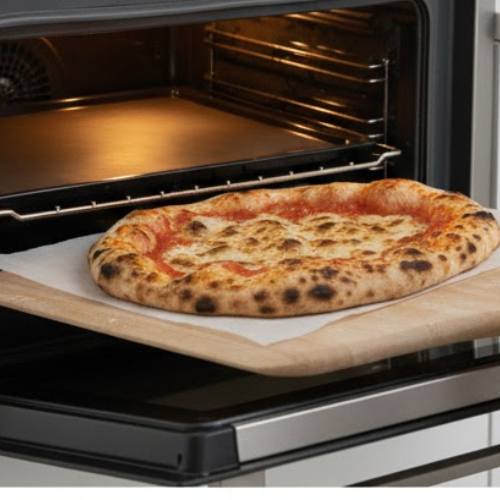
It’s showtime! Carefully transfer your pizza, parchment and all, into the hot oven. Bake for about 5 minutes, or until the crust is blistered and golden. Once done, use a cutting board to transfer it out, sprinkle fresh basil on top and cut it up for serving. Don’t forget to remove the parchment!
Notes
– Hydration: Water amounts can vary depending on your flour. Adjust as needed for a smooth dough.
– Yeast: Instant yeast rises faster than active dry yeast, so check to see what you have on hand.
– Resting time: Allowing the dough to rise at different temperatures may alter its flavor; feel free to experiment.
– Baking Steel vs. Pizza Stone: Both are great, but a baking steel heats up more intensely, creating a nice crust.
– Gluten-Free Option: You can make gluten-free dough using dedicated gluten-free flour mixes, but be sure to follow specific instructions on the packaging.
Storage Tips
Store any unused dough in an airtight container in the fridge for up to 3 days. Just remember to let it come to room temperature before shaping. If you’ve baked pizza, leftovers can be stored in an airtight container in the fridge for up to 3 days or frozen for a future quick meal.
Serving Suggestions
1. Classic Margherita Pizza: Spread tomato sauce and add mozzarella and fresh basil for a timeless favorite.
2. Pepperoni Delight: Top with marinara, mozzarella, and layers of pepperoni for those who love a meaty slice.
3. Veggie Supreme: Load it up with seasonal colorful veggies such as bell peppers, onions, and spinach.
4. White Garlic Pizza: Use garlic-infused olive oil instead of sauce, add ricotta, mozzarella, and spinach for a flavorful chart.
5. Dessert Pizza: Try a sweet twist by using Nutella and strawberries topped with powdered sugar.
What Other Substitute Can I Use in 65% Hydration Pizza Dough Recipe?
1. Whole Wheat Flour: Substitute half of the bread flour for whole wheat to add character and nutrition.
2. Almond Flour: If seeking a lower gluten option, replace part of the flour; however, you may need to adjust the liquid amounts.
3. Sourdough Starter: For a unique flavor profile, use sourdough starter instead of yeast, taking care to adjust water ratios.
4. Garlic Powder: Add a teaspoon for savory notes in the dough itself.
5. Honey or Agave: Substitute for sugar if you prefer natural sweeteners.
Conclusion
The 65% hydration pizza dough recipe is a fantastic foundation for creating delicious homemade pizzas that your friends and family will rave about. It’s easy to make, fun to shape, and the results are always worth it.
As you experiment with various toppings and styles, don’t be surprised if your pizza nights become a weekly tradition. Enjoy the process of creation just as much as you enjoy the delectable pizzas at the end. Happy baking!
You Might Also Like These Latest Recipes!

65 Hydration Pizza Dough Recipe – Recipes From Chef
Description
Welcome to the ultimate guide on how to create a fantastic 65% hydration pizza dough. This unique style of dough is fantastic for achieving that airy, crispy crust everyone loves. As a food enthusiast and registered dietitian, I’ve come to appreciate how important the right dough is to the overall flavor and texture of your pizza.
Ingredient
Instructions
Step 1: Mixing the Ingredients
-
Start by gathering a large mixing bowl. Combine the flour, kosher salt, and instant yeast. Give it a good whisk until everything is well blended. Next, slowly pour in the lukewarm water while mixing with a rubber spatula. You want to combine until the moisture is absorbed and a sticky dough begins to form. The dough should have a somewhat shaggy look; don't worry, that’s perfect for now!
Step 2: Kneading and Rising
-
Once you have your dough formed, drizzle a little olive oil over the top. Rub it gently into the dough with your hands, which helps to prevent stickiness. Cover your bowl with a damp kitchen towel or plastic wrap, and place it in a warm spot—this is crucial for the fermentation process. Let the dough rise for about 1 to 1.5 hours, or until it has doubled in size.
-
Optional Step: For those with a bit more time, I suggest doing a set of folds about 30 minutes after you've covered the bowl. Dip your hand in a little water and stretch up the edge of the dough, folding it into the center. Repeat this around the bowl about 8-10 times; this helps strengthen the dough.
Step 3: Preheating Your Oven
-
If you’re ready to bake your pizzas, now’s the time to preheat your oven. Place a Baking Steel or pizza stone on the upper rack and preheat to its maximum setting, usually around 550°F. Ensure it warms up for at least 45 minutes after reaching the temperature for the best result.
Step 4: Shaping the Dough
-
Once your dough has risen, flour your work surface generously. Turn the dough out onto the floured surface. Use a bench scraper to divide the dough into 4 equal portions. With floured hands, roll each portion into a ball. If you're not baking right away, you can transfer the dough balls into storage containers. Cover them and place them in the refrigerator. If you plan to freeze them, this is a good time to do so! Wrap them well, and they can stay frozen for up to three months.
Step 5: Final Proofing
-
If you're using dough from the fridge, take out the desired number of rounds 60 to 90 minutes before you want to bake. Let them warm up in a lightly floured container.
Step 6: Preparing the Pizza
-
With your dough at room temperature, it's time to shape it. Handle the dough gently to maintain air that’s been trapped inside. Form each ball into a circle about 10-12 inches in diameter. If it’s done correctly, the dough should stretch easily. Lay a sheet of parchment on your pizza peel. Drizzle a few drops of olive oil on top; this helps to prevent sticking.
Step 7: Topping Your Pizza
-
Now, for the fun part! Add your desired toppings. For a classic Margherita, start with a layer of tomato sauce, followed by slices of mozzarella, and finish with a drizzle of olive oil and a pinch of flaky sea salt. Don’t be afraid to get creative; a kale and crème fraîche pizza is also a fantastic choice! Simply toss some kale in olive oil, sprinkle with parmesan, and dollop crème fraîche onto the dough for an exciting twist.
Step 8: Baking
-
It’s showtime! Carefully transfer your pizza, parchment and all, into the hot oven. Bake for about 5 minutes, or until the crust is blistered and golden. Once done, use a cutting board to transfer it out, sprinkle fresh basil on top and cut it up for serving. Don’t forget to remove the parchment!
Nutrition Facts
Servings 6
- Amount Per Serving
- Calories 350kcal
Note
- Hydration: Water amounts can vary depending on your flour. Adjust as needed for a smooth dough.
- Yeast: Instant yeast rises faster than active dry yeast, so check to see what you have on hand.
- Resting time: Allowing the dough to rise at different temperatures may alter its flavor; feel free to experiment.
- Baking Steel vs. Pizza Stone: Both are great, but a baking steel heats up more intensely, creating a nice crust.
- Gluten-Free Option: You can make gluten-free dough using dedicated gluten-free flour mixes, but be sure to follow specific instructions on the packaging.