Picture this: you’re hosting a weekend brunch and you want an impressive dessert that will have your guests raving. Maybe you’re craving some chocolate mousse that’s dairy-free but still luscious and creamy.
Or perhaps you’re thinking about making a classic meringue for a pavlova topped with fresh berries. That’s where aquafaba comes in! Light, fluffy, and oh-so-versatile, aquafaba is celebrated as the magic ingredient in vegan cooking.
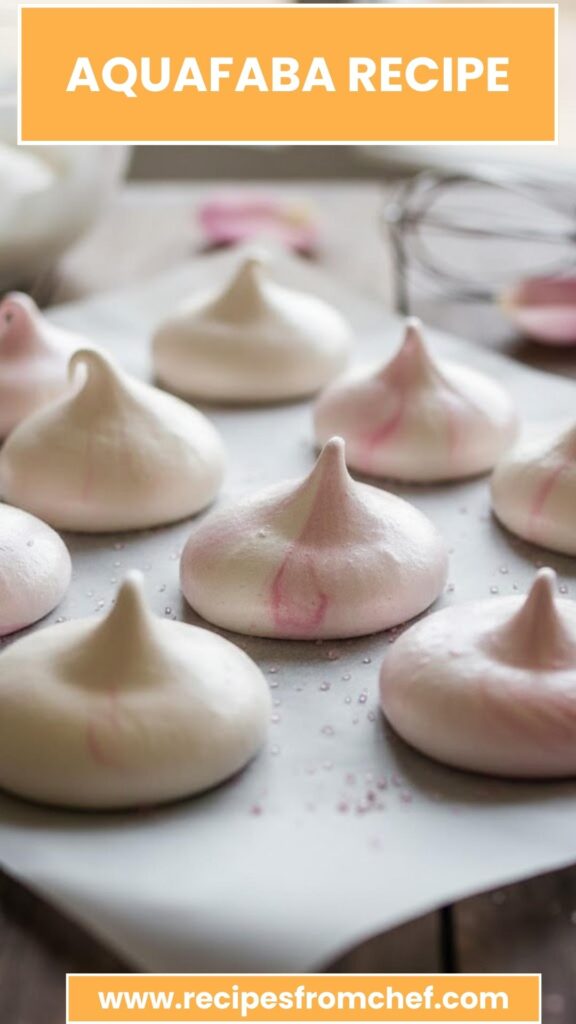
If you’re unfamiliar, aquafaba is the fantastic liquid that comes from cooking chickpeas or the brine from a can of chickpeas. It can be whipped, folded, and used in place of egg whites in countless recipes.
Imagine vegan meringue, airy mousse, or even mayonnaise made without any animal products! It’s a game-changer for anyone wanting to explore plant-based cooking, and trust me, once you get the hang of making aquafaba, you’ll find yourself using it in all sorts of dishes.
You Might Like These Recipes!
What is Aquafaba?
Aquafaba is, simply put, the liquid left over from cooked chickpeas or the liquid in canned chickpeas. Its unique properties allow it to mimic egg whites, making it perfect for vegan baking and cooking. It’s surprisingly effective at foaming up and adding structure to dishes that typically rely on eggs. You can use it in a variety of recipes, from airy meringues to creamy salad dressings.
How Does It Taste?
As for the flavor, aquafaba is delightfully neutral. While it does carry a hint of chickpea taste, it is easily masked by other flavors when used in recipes. This makes it a perfect candidate for sweet and savory dishes alike.
Why You’ll Love This
You’ll love this aquafaba recipe because it opens up a world of possibilities for your cooking. Whether you’re replacing eggs in your grandma’s famous chocolate chip cookies or whipping up a fluffy vegan frosting, aquafaba provides that light and fluffy texture without any animal products. It is an easy, affordable substitute that every home cook should have in their toolkit!
The Ingredients
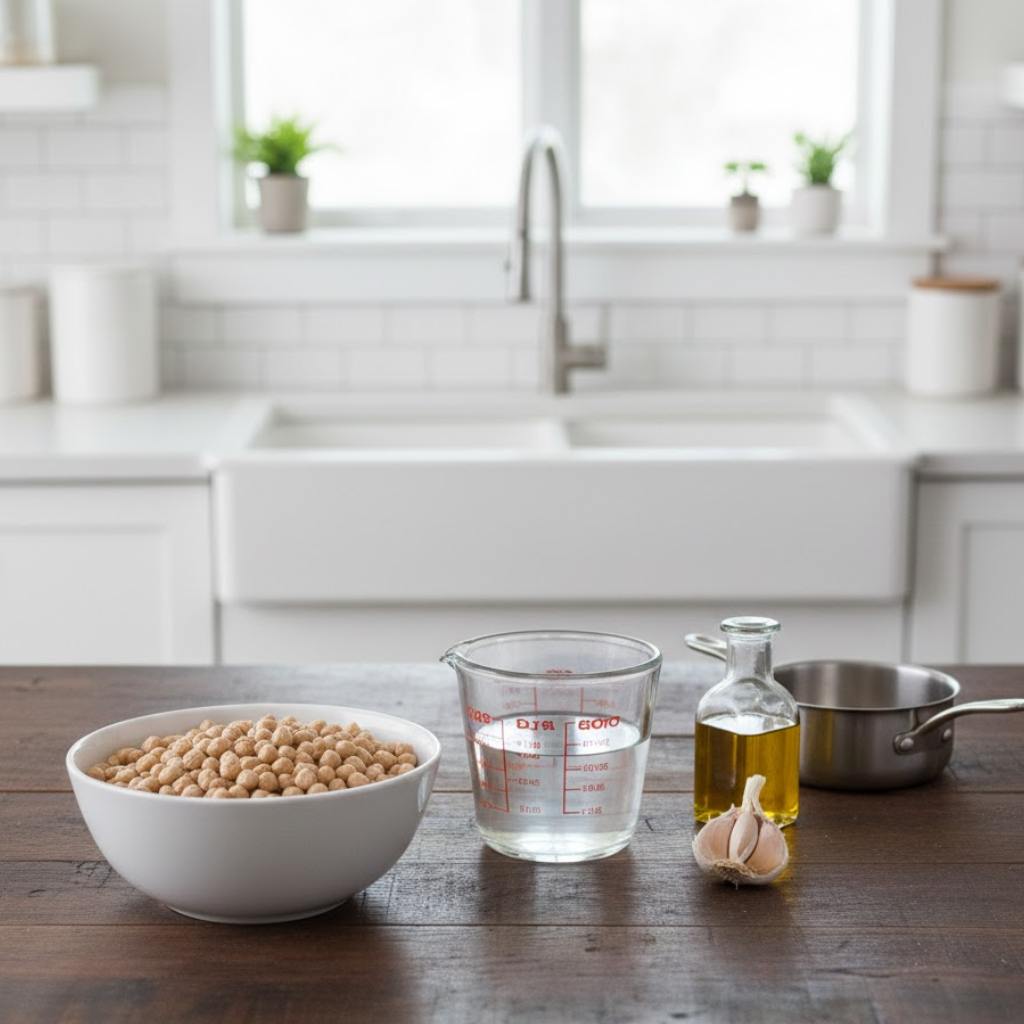
To whip up a batch of aquafaba, you’ll need just a couple of ingredients, and I’ve tweaked the list just a little for additional flavor:
– 2 cups of dry chickpeas
– 8 cups of water
– 1 clove of garlic (optional)
– 1 tablespoon of olive oil (optional)
These simple adjustments will enhance the flavor of your aquafaba without overpowering its pristine goodness.
Ingredients From : lazycatkitchen.com
How to Make Aquafaba
Creating aquafaba is a straightforward process, but it’s essential not to rush it. Let’s break down the steps so that you can whip up this magical liquid without a hitch.
Step-by-Step Directions
Step 1: Soak the Chickpeas
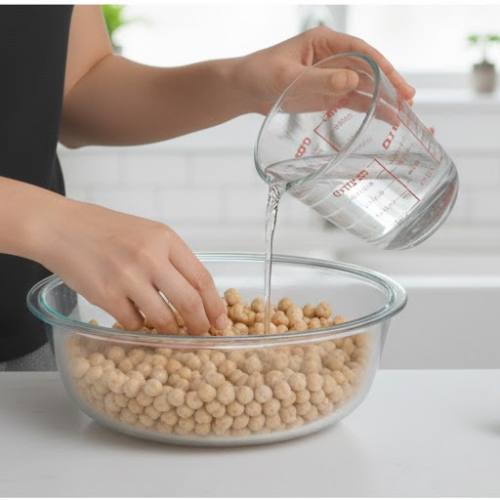
Start by placing your dry chickpeas in a large bowl. Cover them generously with water; the chickpeas will expand as they soak. Leave them to soak overnight or for about 8 hours. This simple act will help rehydrate the chickpeas, making them buttery soft when cooked.
Step 2: Rinse and Prepare
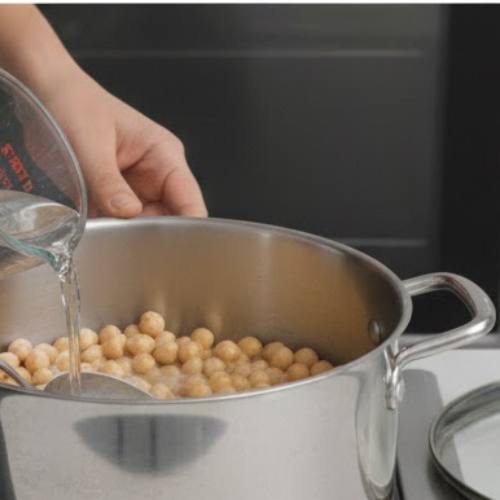
Once your chickpeas are well-soaked, discard the soaking water and give the chickpeas a good rinse to wash away any residual starch. Next, transfer them into a large pot where you have a lid handy, and pour in 8 cups of fresh water. Avoid adding salt or baking soda at this stage — they can affect the aquafaba’s properties.
Step 3: The Boil
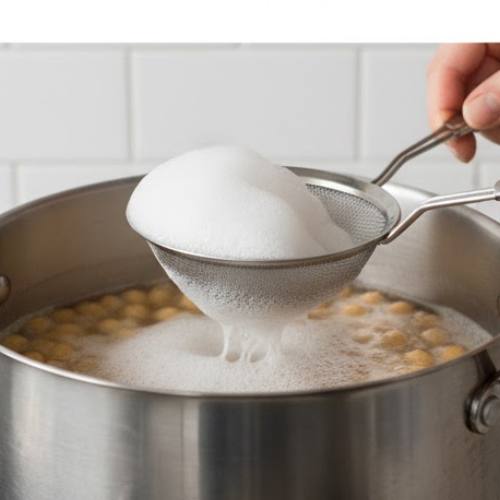
Cover your pot with the lid, and bring the water to a rolling boil. Keep a close eye on it; chickpeas have a habit of boiling over, and you wouldn’t want a mess on your stove! When foam begins to surface, skim it off with a spoon and toss it away.
Step 4: Simmer Gently
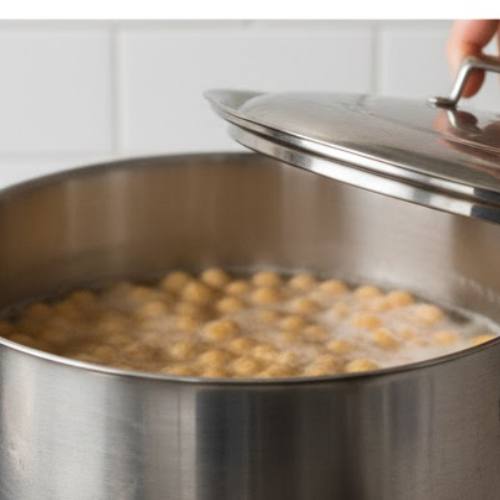
Once boiling, reduce the heat to low-medium and let those chickpeas simmer away with the lid on. This process generally takes about 60 to 75 minutes. You’ll know they are ready when they are tender enough to be squished between your fingers.
Step 5: Cool Down
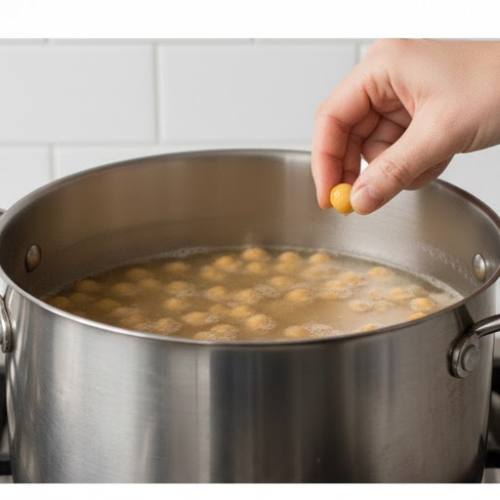
After removing the pot from heat, allow the chickpeas to cool down in their cooking water. This step is crucial because it infuses the water with proteins, and you’ll need those proteins for aquafaba’s magical foaming powers.
Step 6: Separate Chickpeas from the Liquid
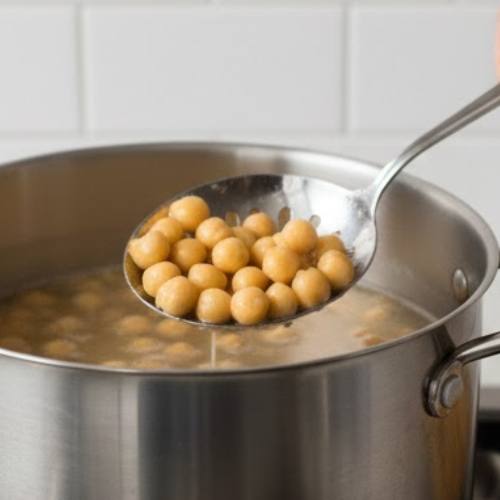
Using a clean slotted spoon, carefully remove the chickpeas from the pot. Do make sure that your spoon is free from grease, as even a tiny bit can affect the foaming ability of the aquafaba.
Step 7: Optional Reduction
Depending on how you plan to use the aquafaba, you might want to reduce the liquid. If you intend to use it as a binder (perfect for vegan meatballs!), return the cooking water to the pot and let it simmer without a lid for about 30-45 minutes. This will concentrate the flavor and enhance its effectiveness for binding.
Step 8: Cool and Store
Once reduced, allow your liquid to cool down to room temperature. Transfer it into a clean container. When chilled, aquafaba will thicken and resemble the texture of egg whites, making it ready for your culinary adventures. If you have some leftover chickpeas, you can toss them back into the container, too. This will help with the gelatinous texture and keep things neat in the fridge!
Tips for Making Aquafaba
– Use dry chickpeas: Canned chickpeas work, but cooking your own will yield a fresher taste.
– Cool Completely: Don’t skip the cooling phase! Cooling aquafaba helps develop its structure and makes it more effective in recipes.
– Store right: Always store in a clean, airtight container to avoid contamination.
– Reduce as needed: Depending on your recipe, adjust the thickness of the aquafaba by reducing or not reducing it.
– Smell check: Make sure there are no off smells from your chickpeas. If they smell funky, toss them out!
Storage Tips
Aquafaba can be stored in the fridge for about 3-4 days. To extend its shelf life, keep it in an airtight container. It can also be frozen for longer storage; just make sure to thaw before using. If you store the cooked chickpeas with the aquafaba, they’ll help keep the liquid even thicker and more usable.
Serving Suggestions
– Meringues: Try using aquafaba to create light and fluffy vegan meringues to top your favorite desserts.
– Vegan Mayo: Combine aquafaba with some oil, mustard, and vinegar to whip up a delightful vegan mayonnaise.
– Chocolate Mousse: Fold melted chocolate into whipped aquafaba for an indulgent yet light chocolate mousse.
– Pavlova: Top a baked pavlova made from whipped aquafaba with fresh fruits for a stunning dessert.
– Frosting: Beat aquafaba with powdered sugar for a lovely, fluffy frosting on cakes or cupcakes.
What Other Substitutes Can I Use in Aquafaba Recipe?
– Chia Seeds: Use 3 tablespoons of chia seeds mixed with 9 tablespoons of water to create a gel-like consistency, which works well as a binder.
– Ground Flaxseeds: Combine 1 tablespoon of ground flaxseed with 2.5 tablespoons of water to act as an egg substitute in baking.
– Silken Tofu: Blend ¼ cup of silken tofu until smooth and use it in recipes where you might use aquafaba.
– Mashed Bananas: Replace an egg with ¼ cup of mashed banana in many recipes to achieve moisture and binding.
– Commercial Egg Replacers: Utilize a store-bought egg replacer by following the package instructions for the equivalent amount to aquafaba.
Conclusion
Making aquafaba is a simple, rewarding process that opens the door to a universe of plant-based culinary creations. Whether you’re vegan, trying to reduce cholesterol, or even just looking for a fun new ingredient to experiment with, aquafaba is your go-to solution.
Give it a try, and watch this unassuming liquid transform your cooking game while delighting your taste buds along the way!
You Might Also Like These Latest Recipes!

Aquafaba Recipe – Recipes From Chef
Description
If you're unfamiliar, aquafaba is the fantastic liquid that comes from cooking chickpeas or the brine from a can of chickpeas. It can be whipped, folded, and used in place of egg whites in countless recipes.
Ingredient
Instructions
Step 1: Soak the Chickpeas
-
Start by placing your dry chickpeas in a large bowl. Cover them generously with water; the chickpeas will expand as they soak. Leave them to soak overnight or for about 8 hours. This simple act will help rehydrate the chickpeas, making them buttery soft when cooked.
Step 2: Rinse and Prepare
-
Once your chickpeas are well-soaked, discard the soaking water and give the chickpeas a good rinse to wash away any residual starch. Next, transfer them into a large pot where you have a lid handy, and pour in 8 cups of fresh water. Avoid adding salt or baking soda at this stage — they can affect the aquafaba’s properties.
Step 3: The Boil
-
Cover your pot with the lid, and bring the water to a rolling boil. Keep a close eye on it; chickpeas have a habit of boiling over, and you wouldn't want a mess on your stove! When foam begins to surface, skim it off with a spoon and toss it away.
Step 4: Simmer Gently
-
Once boiling, reduce the heat to low-medium and let those chickpeas simmer away with the lid on. This process generally takes about 60 to 75 minutes. You’ll know they are ready when they are tender enough to be squished between your fingers.
Step 5: Cool Down
-
After removing the pot from heat, allow the chickpeas to cool down in their cooking water. This step is crucial because it infuses the water with proteins, and you'll need those proteins for aquafaba’s magical foaming powers.
Step 6: Separate Chickpeas from the Liquid
-
Using a clean slotted spoon, carefully remove the chickpeas from the pot. Do make sure that your spoon is free from grease, as even a tiny bit can affect the foaming ability of the aquafaba.
Step 7: Optional Reduction
-
Depending on how you plan to use the aquafaba, you might want to reduce the liquid. If you intend to use it as a binder (perfect for vegan meatballs!), return the cooking water to the pot and let it simmer without a lid for about 30-45 minutes. This will concentrate the flavor and enhance its effectiveness for binding.
Step 8: Cool and Store
-
Once reduced, allow your liquid to cool down to room temperature. Transfer it into a clean container. When chilled, aquafaba will thicken and resemble the texture of egg whites, making it ready for your culinary adventures. If you have some leftover chickpeas, you can toss them back into the container, too. This will help with the gelatinous texture and keep things neat in the fridge!
Note
- Use dry chickpeas: Canned chickpeas work, but cooking your own will yield a fresher taste.
- Cool Completely: Don't skip the cooling phase! Cooling aquafaba helps develop its structure and makes it more effective in recipes.
- Store right: Always store in a clean, airtight container to avoid contamination.
- Reduce as needed: Depending on your recipe, adjust the thickness of the aquafaba by reducing or not reducing it.
- Smell check: Make sure there are no off smells from your chickpeas. If they smell funky, toss them out!