When I think of the perfect accompaniment to a hearty grilled chicken breast or a flavorful salmon fillet, roasted asparagus drizzled in balsamic vinegar immediately comes to mind. This dish has proven to be a knockout at our family dinners, and it never fails to impress guests.
With its vibrant green hue and enticing tang, it’s hard to believe just how simple it is to prepare. If you’re looking for a way to elevate your main dishes this summer, you’ve struck gold with this roasted asparagus recipe!
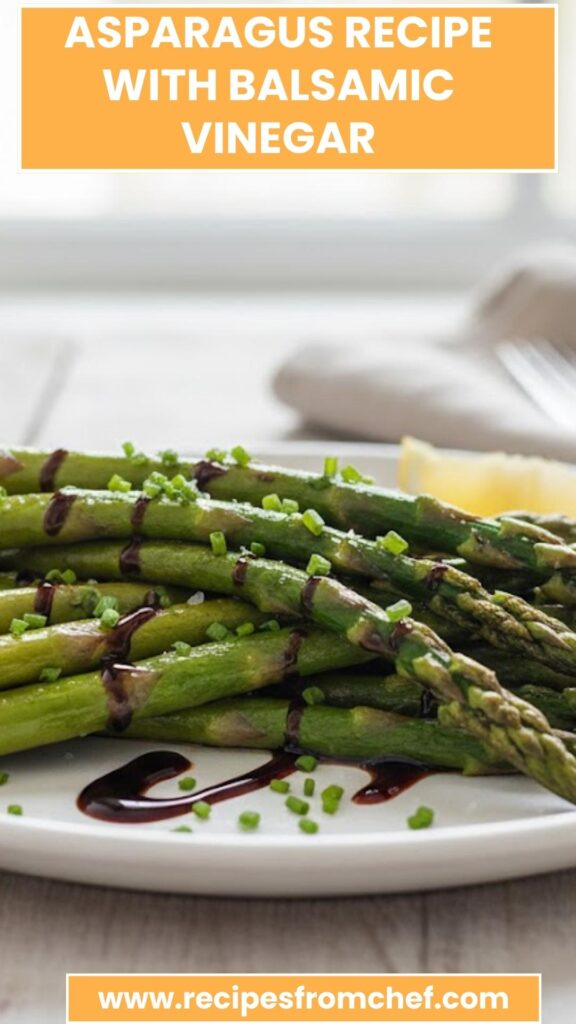
Roasting asparagus with balsamic vinegar is a simple yet elegant way to showcase fresh vegetables. This dish brings out the natural sweetness of asparagus, balanced beautifully with the tanginess of balsamic.
Whether served alongside grilled meats at a summer barbecue or with a vintage pasta dish, this recipe is nothing short of versatile. Plus, it’s easy enough for weekday dinners and fancy enough for entertaining. Let’s dive deeper into why this recipe deserves a spot on your table!
You Might Like These Recipes!
Applesauce Cake Recipe In Bundt Pan Recipe
Apple Cranberry Almond Coleslaw Recipe
What is the flavor profile of this dish?
This dish sings with flavor in every bite. The rich, earthiness of asparagus perfectly complements the sweetness of the balsamic vinegar, which adds a wonderful depth. A touch of olive oil helps to round out the flavors, while the hint of pepper adds just the right amount of heat—without overpowering the main ingredients. Overall, expect a delightful balance of sweet, tangy, and savory notes throughout.
What Makes This Recipe Different From Other Asparagus Recipes with Balsamic Vinegar?
What truly sets this recipe apart from other balsamic asparagus variations lies in its simplicity and focus on quality ingredients. Instead of overwhelming the dish with too many spices or additional toppings, I let the asparagus shine. In contrast to many recipes that call for excessive seasoning or complex preparation, this one is streamlined for those of us who are busy but still want something tasty and impressive. Using just a few high-quality ingredients, like fresh asparagus and a good balsamic vinegar, ensures that each element shines through.
The Ingredients You’ll Need
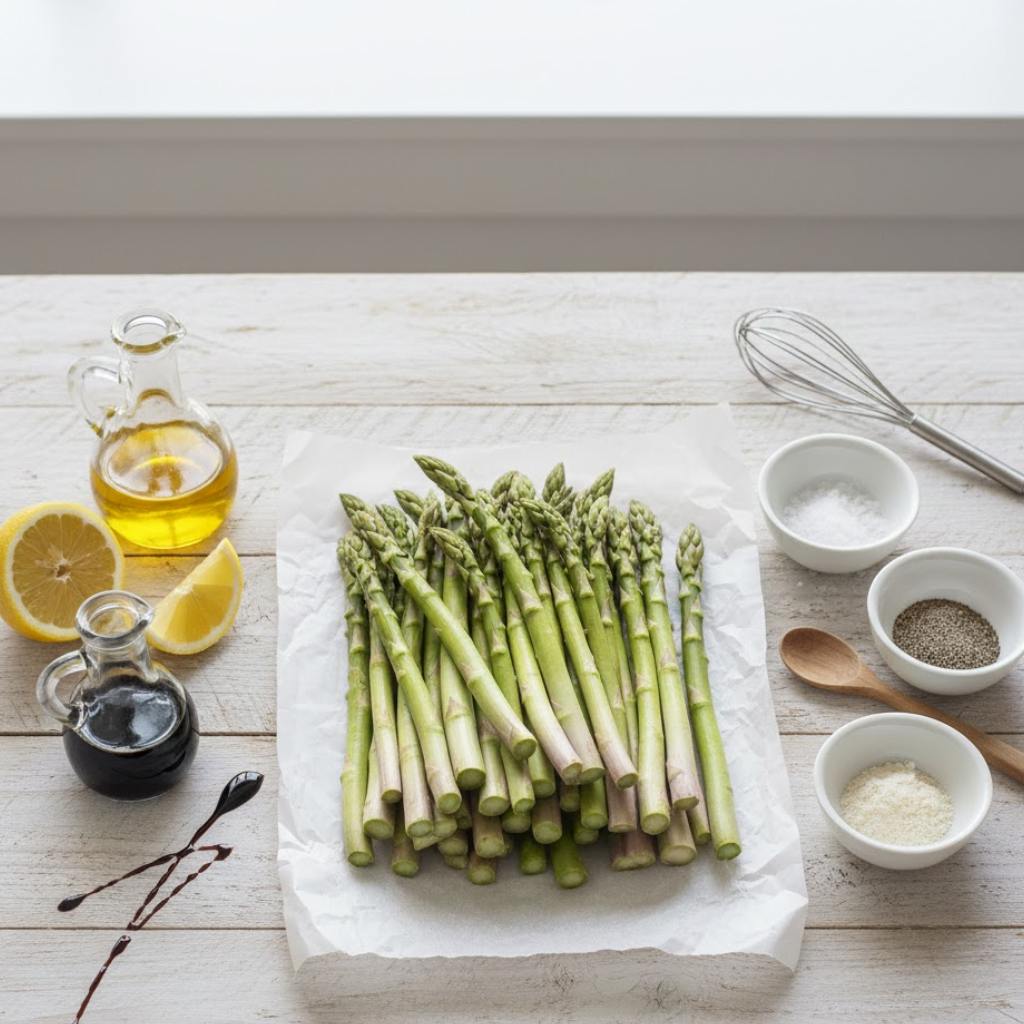
To capture the best flavors in this dish, gather the following ingredients:
– 2 pounds fresh asparagus – Make sure to trim the tough ends for a smoother bite.
– 3 tablespoons balsamic vinegar – Select a good-quality vinegar; it truly makes a difference.
– 2 tablespoons olive oil – A flavorful extra virgin olive oil is recommended.
– ⅛ teaspoon ground black pepper – For a hint of spice.
– 1 pinch of coarse sea salt – Just to enhance the natural flavor of the asparagus.
– A squeeze of fresh lemon juice (optional; about 1 tablespoon) – This adds a zesty brightness without overpowering the dish.
– 1 teaspoon garlic powder (optional) – A subtle hint of garlic elevates the taste profile even further.
Ingredients From : allrecipes.com
How to make asparagus recipe with balsamic vinegar?
This roasted asparagus with balsamic vinegar is quick to whip up, making it the ideal side dish for busy weeknights or special occasions. Here’s how to transform simple ingredients into a tasty masterpiece.
Step-by-step directions
Step 1: Preheat Your Oven
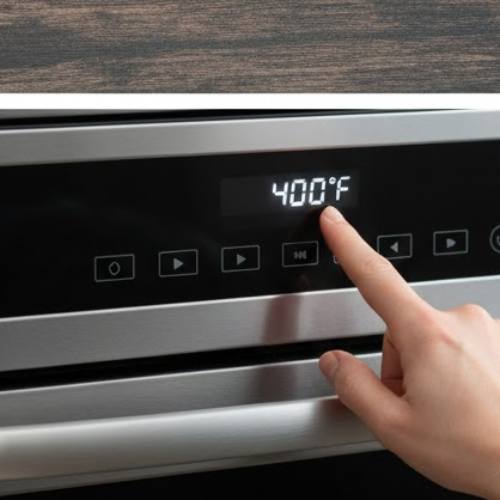
Set your oven to 400 degrees F (205 degrees C). This will ensure a crisp-tender asparagus texture while intensifying the flavors.
Step 2: Prepare the Asparagus
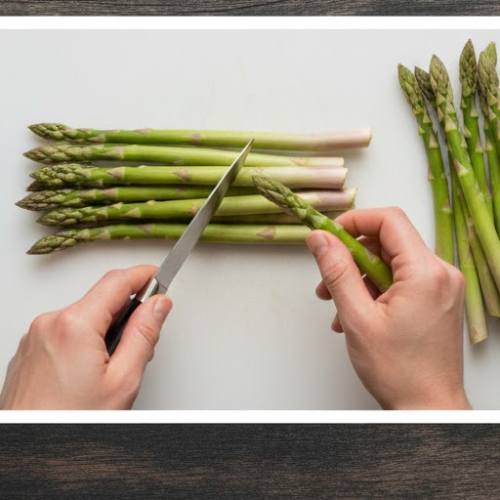
Take the fresh asparagus and rinse it under cool water. Pat it dry with a kitchen towel. Trim the ends by snapping them off or cutting about an inch from the bottoms. This part can be fibrous, and you want your dish to be as pleasant as possible.
Step 3: Combine the Ingredients
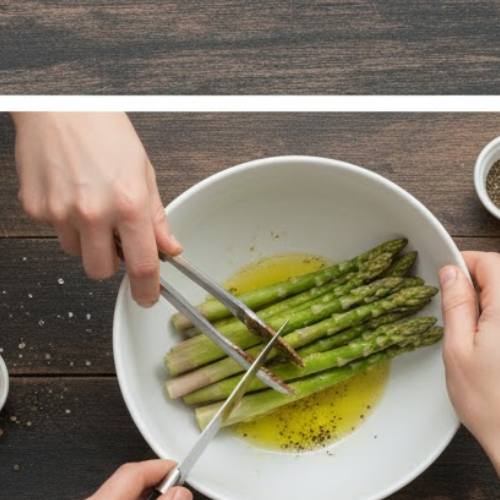
In a mixing bowl, place your asparagus. Drizzle with olive oil and sprinkle the pinch of sea salt and black pepper over the top. If you’re using garlic powder or lemon juice, now’s the time to add those—go for it! Toss everything gently to coat the asparagus evenly in the oil and seasonings.
Step 4: Roast the Asparagus
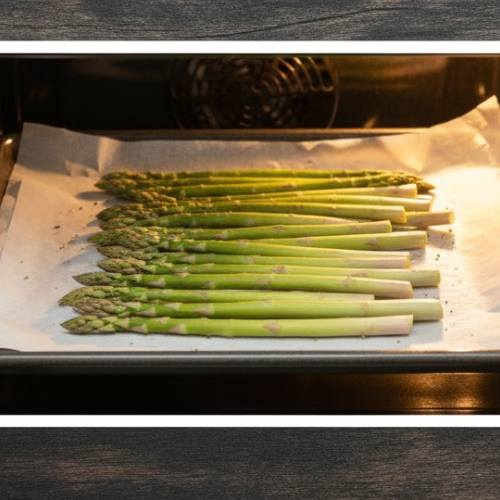
Transfer your seasoned asparagus to a shallow baking dish or onto a baking sheet lined with parchment paper. This setup allows them to roast evenly without steaming. Pop it into the preheated oven and roast for 15-20 minutes, until the asparagus is bright green and slightly browned but still has a nice crunch.
Step 5: Add the Finishing Touch
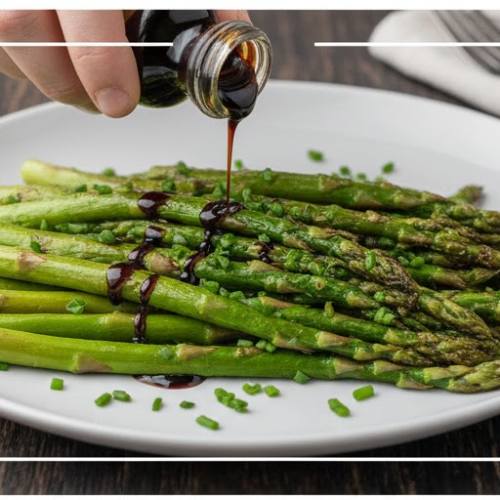
Just before serving, drizzle the cooked asparagus with balsamic vinegar. This extra layer of flavor just before it hits the table will tickle the taste buds—you’ll thank yourself later!
Tips On Making Asparagus with Balsamic Vinegar
– Select Fresh Asparagus: Look for bright green, firm, and slightly crisp stalks without any soft spots.
– Don’t Overcrowd the Pan: Give the asparagus space to roast, ensuring they get that beautiful caramelized finish.
– Adjust Roasting Time for Thickness: Thicker stalks may need a couple of extra minutes in the oven. Just keep an eye on them!
– Experiment with Flavors: Feel free to swap the balsamic vinegar for a flavored vinegar, like apple cider for a different twist.
– Serve Immediately: This dish is best enjoyed fresh from the oven for optimal texture.
Storage Tips
If you have any leftovers (which is rare but can happen), let the asparagus cool completely before transferring it to an airtight container. You can store it in the fridge for up to three days. Reheat gently in the microwave, but keep in mind that the asparagus may lose some of its crispness.
Serving Suggestions
If you need ideas on what to serve this vibrant dish with, consider:
– Grilled Chicken Breast: The bright taste of asparagus pairs beautifully with juicy chicken.
– Pan-Seared Salmon: The acidity of the balsamic vinegar cuts through the richness of the fish perfectly.
– Pasta Primavera: Mixed with veggies, this pairing is colorful and nutrient-rich.
– Quinoa Salad: Roasted asparagus elevates this healthy dish, adding a lovely texture.
– Steak: A classic pairing, the asparagus will balance the richness of a grilled steak.
If some of the items are not available in your kitchen, what are some substitute options for the ingredients?
– Fresh Asparagus: Green beans or broccoli can work in a pinch, providing similar crunch and flavor profiles.
– Balsamic Vinegar: If balsamic is hard to find, you can opt for red wine vinegar or apple cider vinegar for a different—yet delightful—zest.
– Olive Oil: Avocado oil serves as a great alternative, rich in healthy fats but with a milder flavor.
– Sea Salt: Regular table salt can be substituted if needed; however, use it sparingly as it can be more concentrated.
– Garlic Powder: If you don’t have it, a fresh clove of minced garlic can add a stronger flavor, just be cautious not to overwhelm the asparagus.
Conclusion
This recipe for roasted asparagus with balsamic vinegar not only brightens up your table but is also incredibly easy to whip up. With just a handful of simple ingredients, you’re treating yourself and your guests to a flavorful and nutritious side.
So, the next time you’re firing up the grill or preparing a cozy dinner, don’t forget to give this easy dish a try. Enjoy the freshness, the zest, and the moments spent around the table sharing good food and good company. Happy cooking!
You Might Also Like These Latest Recipes!

Asparagus Recipe With Balsamic Vinegar – Recipes From Chef
Description
Roasting asparagus with balsamic vinegar is a simple yet elegant way to showcase fresh vegetables. This dish brings out the natural sweetness of asparagus, balanced beautifully with the tanginess of balsamic.
Ingredient
Instructions
Step 1: Preheat Your Oven
-
Set your oven to 400 degrees F (205 degrees C). This will ensure a crisp-tender asparagus texture while intensifying the flavors.
Step 2: Prepare the Asparagus
-
Take the fresh asparagus and rinse it under cool water. Pat it dry with a kitchen towel. Trim the ends by snapping them off or cutting about an inch from the bottoms. This part can be fibrous, and you want your dish to be as pleasant as possible.
Step 3: Combine the Ingredients
-
In a mixing bowl, place your asparagus. Drizzle with olive oil and sprinkle the pinch of sea salt and black pepper over the top. If you’re using garlic powder or lemon juice, now’s the time to add those—go for it! Toss everything gently to coat the asparagus evenly in the oil and seasonings.
Step 4: Roast the Asparagus
-
Transfer your seasoned asparagus to a shallow baking dish or onto a baking sheet lined with parchment paper. This setup allows them to roast evenly without steaming. Pop it into the preheated oven and roast for 15-20 minutes, until the asparagus is bright green and slightly browned but still has a nice crunch.
Step 5: Add the Finishing Touch
-
Just before serving, drizzle the cooked asparagus with balsamic vinegar. This extra layer of flavor just before it hits the table will tickle the taste buds—you’ll thank yourself later!
Nutrition Facts
Servings 6
- Amount Per Serving
- Calories 82kcal
- % Daily Value *
- Total Fat 5g8%
- Total Carbohydrate 7g3%
- Protein 3g6%
* Percent Daily Values are based on a 2,000 calorie diet. Your daily value may be higher or lower depending on your calorie needs.
Note
- Select Fresh Asparagus: Look for bright green, firm, and slightly crisp stalks without any soft spots.
- Don’t Overcrowd the Pan: Give the asparagus space to roast, ensuring they get that beautiful caramelized finish.
- Adjust Roasting Time for Thickness: Thicker stalks may need a couple of extra minutes in the oven. Just keep an eye on them!
- Experiment with Flavors: Feel free to swap the balsamic vinegar for a flavored vinegar, like apple cider for a different twist.
- Serve Immediately: This dish is best enjoyed fresh from the oven for optimal texture.