Nothing quite compares to the smell of fresh sourdough wafting through the air. Imagine pulling a warm loaf from the oven, slicing into its golden crust, and finding the perfect chewy interior. The best part?
Sourdough pairs wonderfully with so many dishes. Picture enjoying it with a simple homemade soup, creamy spreadable cheeses, or a hearty salad. It’s versatile, indulgent, and oh-so-rewarding. Once you have a loaf ready, the possibilities are endless.
You can toast it for breakfast, use it as sandwich bread, or simply savor it with a good smear of butter.

Sourdough bread is a beautiful blend of science and art, where wild yeast in the starter takes center stage. It’s this unique fermentation process that gives sourdough its delightful tang and characteristic crust.
Now, if you’ve ever felt intimidated by the idea of making sourdough, you’re not alone! You might picture complicated methods and hours of effort. But don’t worry; I’m here to show you how simple and rewarding it can be.
Today, I’ll guide you through my favorite beginner sourdough recipe. If you keep it straightforward, you’ll find yourself with a delicious loaf that you baked yourself—no bakery needed.
You Might Like These Recipes!
What is the best beginner sourdough recipe?
This beginner sourdough recipe is all about setting you up for success. It combines straightforward ingredients to create a loaf that’s crusty on the outside and soft on the inside, perfect for sandwiches or as a side for your favorite dishes. With just a few steps, some quiet time for fermentation, and a hot oven, you’ll become the proud baker of a sourdough loaf that will impress family and friends alike. Not to mention, once you master this recipe, you have the foundation to experiment with flavors and textures in the future!
The Ingredients
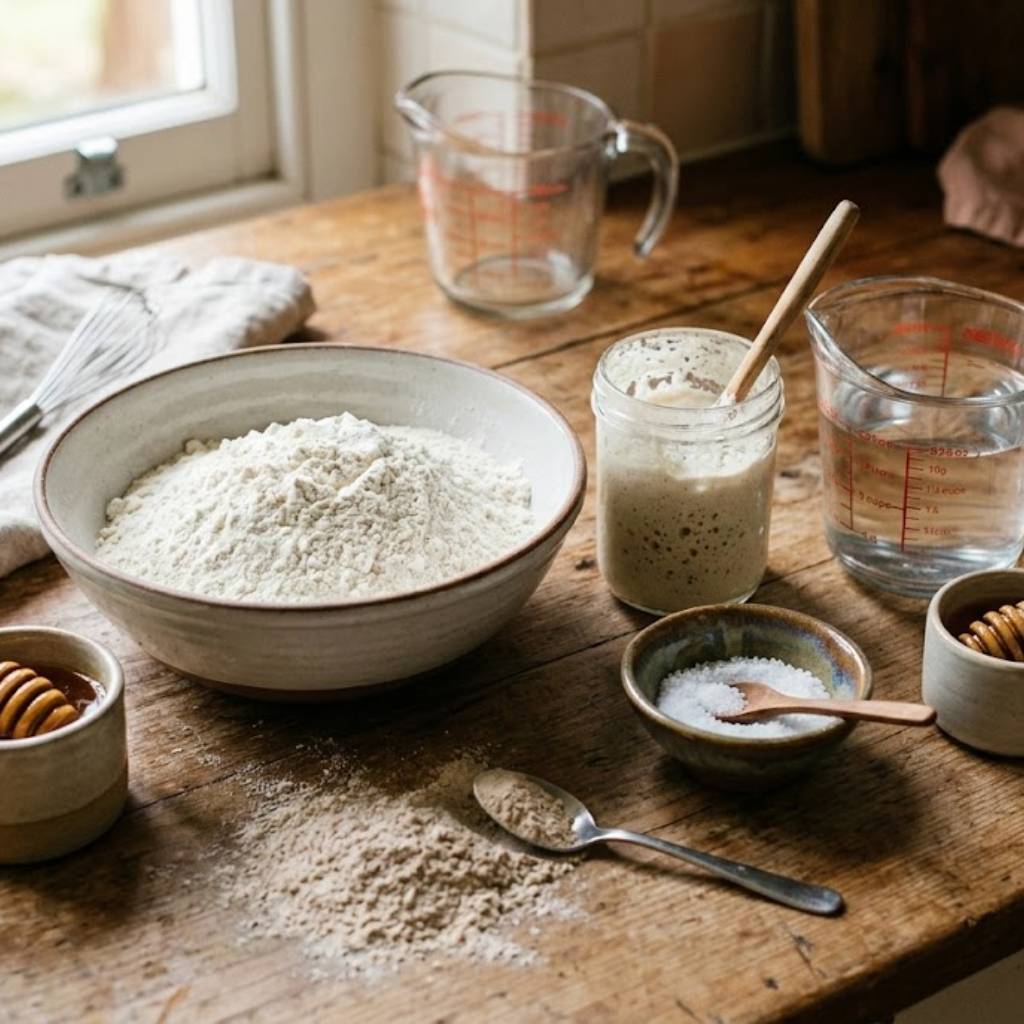
Here’s what you’ll need for this beginner sourdough recipe:
– 475 grams all-purpose flour (about 3 ½ cups)
– 100 grams sourdough starter (active and bubbly, roughly ½ cup)
– 325 grams warm water (approximately 1 ⅓ cups)
– 10 grams salt (2 teaspoons)
– 15 grams honey (1 tablespoon, to add a touch of sweetness)
– 50 grams whole wheat flour (for added depth and nutrition)
This combination of ingredients will bring a lovely flavor to your sourdough loaf, creating a well-rounded taste that captures the essence of homemade bread.
Ingredients From : farmhouseonboone.com
How to Make the Best Beginner Sourdough Recipe?
The steps to creating this sourdough are straightforward. You’ll start by activating your starter, mix everything up, and let the magic happen with fermentation. Each stage is simple and remarkably satisfying. Let’s dive in!
Step-by-step Directions
Step 1: Activate Your Starter
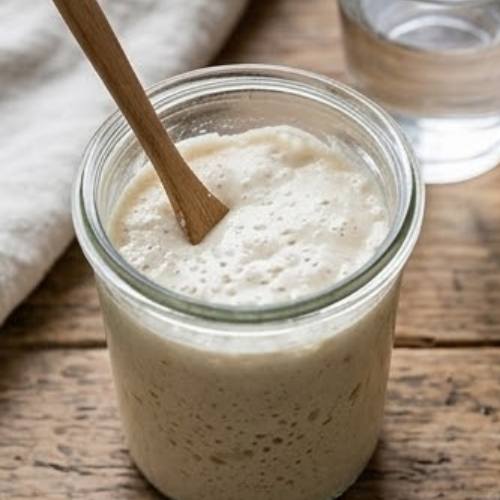
Before starting the dough, you need to feed your sourdough starter 4 to 12 hours ahead of time. This ensures it’s active and bubbly, which is crucial for achieving that perfect rise. If you’re unsure that your starter is ready, a simple float test can help. Just drop a spoonful of it into a glass of water; if it floats, you’re good to go.
Step 2: Combine Ingredients
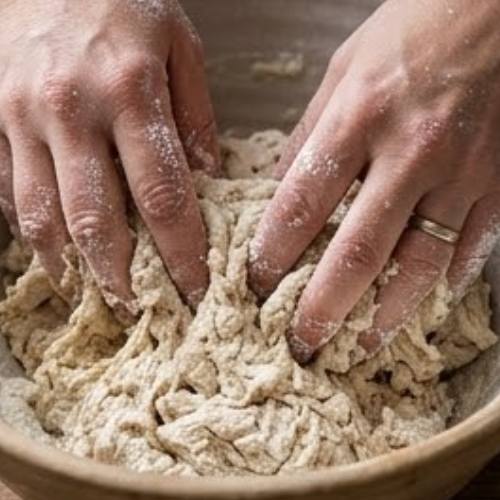
In a large mixing bowl, blend the warm water, bubbly starter, honey, salt, and all-purpose flour, along with the whole wheat flour. You can use a wooden spoon, but I prefer going in with my hands. It’s tougher than it sounds, but it becomes a sensory experience, I assure you! Mix until it’s all combined—don’t worry about getting a perfect dough just yet.
Step 3: Rest and Hydrate
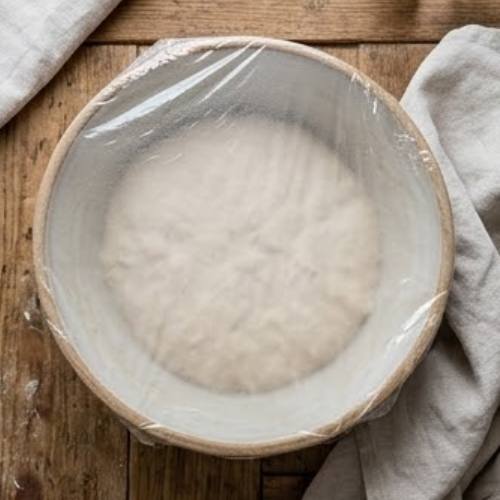
Cover the bowl with plastic wrap or a lid and let the dough rest for about 30 minutes. This resting period is important—it allows the water to hydrate the flour, which will make the dough easier to work with later on.
Step 4: Stretch and Fold – First Round
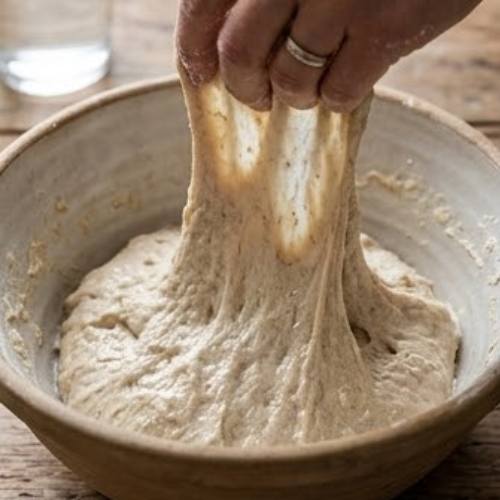
Here comes the fun part! Grab an edge of the dough, stretch it up, and fold it over itself toward the center. This might feel stretchy (which it is!), so if it feels tough, don’t sweat it. Just do your best. After folding, give the bowl a slight turn and repeat. Do this a total of four times; this is one round.
Step 5: Repeat the Stretch and Fold
Let the dough rest for another 30 minutes, covered. Then, repeat the stretching and folding process once more. We’re building up those gluten structures here!
Step 6: Final Stretch and Fold
Complete one last round of stretch and folds. After that, cover the bowl again but this time with a damp towel or plastic wrap. Let the dough bulk ferment in a warm spot until it has doubled in size. Depending on your kitchen’s temperature, this can take anywhere from 6 to 12 hours. Just keep an eye on it—over-fermentation isn’t your friend here.
Step 7: Shape the Dough
Once the dough has risen, it’s shaping time! Lightly flour a clean work surface and gently turn your dough out. Fold the dough onto itself, then help shape it into a round ball by gently spinning it toward you. This may sound tricky, but it’s easier than it appears.
If you like, you can leave it uncovered for 15-20 minutes; this helps prevent sticking during the next stage.
Step 8: Final Shaping
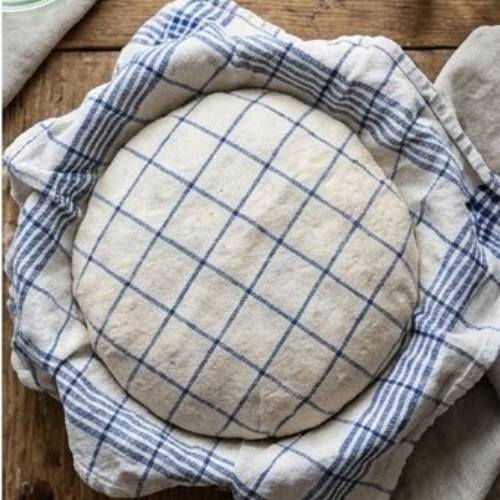
Flip the dough over and fold the sides toward the center, pinching together to create surface tension. Transfer it to a floured banneton or bowl lined with a floured tea towel, seam side up. Cover it with plastic wrap or a plastic bag, and leave it to rise for another 12-15 hours in the fridge. Alternatively, you can let it rest at room temperature for 3-4 hours if you prefer a quicker rise.
Step 9: Preheat and Bake
When you’re ready to bake, preheat your Dutch oven to 500°F (260°C) for a whole hour. This step ensures your loaf gets those beautiful oven spring and crunch.
Right before baking, remove the dough from the fridge. Carefully place it on a piece of parchment paper, dust it with a bit more flour, and score it with a lame or razor blade. Go for one large cut and a decorative score if you’re feeling adventurous.
Step 10: Bake to Perfection
Gently transfer your dough (on parchment paper) into the hot Dutch oven. Be cautious, as it’s hot and can burn you! Place the lid on and bake for 20 minutes. After 20 minutes, carefully remove the lid, reduce the oven temperature to 475°F (245°C), and bake for an additional 15-25 minutes until that gorgeous golden brown color emerges.
Notes
– Always keep an eye on your sourdough during the bulk fermentation; it can overproof if left for too long.
– Use a kitchen scale for precise measurements; it pays off in bread-making.
– Experiment with different flours for varying textures and flavors.
– Don’t rush the cooling process. Let the bread cool completely before slicing; this helps with texture.
– If you’re new to scoring, practice on some bread dough before your actual loaf. It can do wonders for first-timers!
Storage Tips
Once your sourdough is cooled completely, store it in a bread box or paper bag at room temperature for up to three days. If you need it to last longer, slicing the loaf and placing it in a freezer-safe bag can ensure freshness for about three months. Just pop slices in the toaster to enjoy whenever you need a warm, homemade treat.
Nutrition Information
– Calories: Approximately 150 per slice
– Carbs: 30 grams
– Fat: 0.5 grams
– Protein: 5 grams
Serving Suggestions
1. With Olive Oil and Balsamic Vinegar: Drizzle some high-quality extra virgin olive oil mixed with balsamic vinegar for a tasting appetizer.
2. As a Toast with Avocado: Top slices with mashed avocado and a sprinkle of salt. Add chili flakes for an extra kick.
3. Sourdough Grilled Cheese: Make a fantastic grilled cheese sandwich by slapping your favorite cheese between two slices and toasting it on a skillet until golden.
4. For a Hearty Breakfast: Serve toasted slices with scrambled eggs and herbs. It’s a perfect pairing to start your day right.
5. Bread for Soups and Salads: Use it as a side for soup or salad. The bread soaks up flavors magnificently.
What Other Substitute Can I Use in the Best Beginner Sourdough Recipe?
1. Different Flour Varieties: Try using spelt or rye flour instead of whole wheat for unique flavors.
2. Sourdough Starter: If you don’t have a homemade starter, store-bought options work too! Just check that it’s active.
3. Water Options: Use filtered or spring water. Tap water can affect the dough due to chlorine.
4. Honey Alternatives: Maple syrup or agave nectar can replace honey for a vegan alternative.
5. Flour Mixture: Incorporating oat flour or cornmeal can add a different texture and flavor.
Conclusion
Embarking on the journey of baking sourdough may seem intimidating, but with this beginner recipe, you have all the support you need to create a fantastic loaf. Each step becomes a conversation between you and the dough, and the reward of fresh bread makes it all worthwhile. So, roll up your sleeves and enjoy the rewarding process of baking.
Trust me, once you nail this recipe, you’ll find joy in experimenting with flavors and techniques. Happy baking!
You Might Also Like These Latest Recipes!
Asparagus With Balsamic Vinegar


Best Beginner Sourdough Recipe – Recipes From Chef
Description
Sourdough bread is a beautiful blend of science and art, where wild yeast in the starter takes center stage. It’s this unique fermentation process that gives sourdough its delightful tang and characteristic crust.
Ingredient
Instructions
Step 1: Activate Your Starter
-
Before starting the dough, you need to feed your sourdough starter 4 to 12 hours ahead of time. This ensures it’s active and bubbly, which is crucial for achieving that perfect rise. If you’re unsure that your starter is ready, a simple float test can help. Just drop a spoonful of it into a glass of water; if it floats, you're good to go.
Step 2: Combine Ingredients
-
In a large mixing bowl, blend the warm water, bubbly starter, honey, salt, and all-purpose flour, along with the whole wheat flour. You can use a wooden spoon, but I prefer going in with my hands. It’s tougher than it sounds, but it becomes a sensory experience, I assure you! Mix until it’s all combined—don’t worry about getting a perfect dough just yet.
Step 3: Rest and Hydrate
-
Cover the bowl with plastic wrap or a lid and let the dough rest for about 30 minutes. This resting period is important—it allows the water to hydrate the flour, which will make the dough easier to work with later on.
Step 4: Stretch and Fold - First Round
-
Here comes the fun part! Grab an edge of the dough, stretch it up, and fold it over itself toward the center. This might feel stretchy (which it is!), so if it feels tough, don’t sweat it. Just do your best. After folding, give the bowl a slight turn and repeat. Do this a total of four times; this is one round.
Step 5: Repeat the Stretch and Fold
-
Let the dough rest for another 30 minutes, covered. Then, repeat the stretching and folding process once more. We’re building up those gluten structures here!
Step 6: Final Stretch and Fold
-
Complete one last round of stretch and folds. After that, cover the bowl again but this time with a damp towel or plastic wrap. Let the dough bulk ferment in a warm spot until it has doubled in size. Depending on your kitchen’s temperature, this can take anywhere from 6 to 12 hours. Just keep an eye on it—over-fermentation isn’t your friend here.
Step 7: Shape the Dough
-
Once the dough has risen, it’s shaping time! Lightly flour a clean work surface and gently turn your dough out. Fold the dough onto itself, then help shape it into a round ball by gently spinning it toward you. This may sound tricky, but it’s easier than it appears.
-
If you like, you can leave it uncovered for 15-20 minutes; this helps prevent sticking during the next stage.
Step 8: Final Shaping
-
Flip the dough over and fold the sides toward the center, pinching together to create surface tension. Transfer it to a floured banneton or bowl lined with a floured tea towel, seam side up. Cover it with plastic wrap or a plastic bag, and leave it to rise for another 12-15 hours in the fridge. Alternatively, you can let it rest at room temperature for 3-4 hours if you prefer a quicker rise.
Step 9: Preheat and Bake
-
When you’re ready to bake, preheat your Dutch oven to 500°F (260°C) for a whole hour. This step ensures your loaf gets those beautiful oven spring and crunch.
-
Right before baking, remove the dough from the fridge. Carefully place it on a piece of parchment paper, dust it with a bit more flour, and score it with a lame or razor blade. Go for one large cut and a decorative score if you’re feeling adventurous.
Step 10: Bake to Perfection
-
Gently transfer your dough (on parchment paper) into the hot Dutch oven. Be cautious, as it’s hot and can burn you! Place the lid on and bake for 20 minutes. After 20 minutes, carefully remove the lid, reduce the oven temperature to 475°F (245°C), and bake for an additional 15-25 minutes until that gorgeous golden brown color emerges.
Nutrition Facts
Servings 1
- Amount Per Serving
- Calories 150kcal
- % Daily Value *
- Total Fat 0.4g1%
- Saturated Fat 0.1g1%
- Sodium 325mg14%
- Potassium 42mg2%
- Total Carbohydrate 32g11%
- Dietary Fiber 1g4%
- Sugars 0.1g
- Protein 4g8%
* Percent Daily Values are based on a 2,000 calorie diet. Your daily value may be higher or lower depending on your calorie needs.
Note
- Always keep an eye on your sourdough during the bulk fermentation; it can overproof if left for too long.
- Use a kitchen scale for precise measurements; it pays off in bread-making.
- Experiment with different flours for varying textures and flavors.
- Don’t rush the cooling process. Let the bread cool completely before slicing; this helps with texture.
- If you're new to scoring, practice on some bread dough before your actual loaf. It can do wonders for first-timers!