Ingredients
Method
Step 1: Combine Dry Ingredients
- In a mixing bowl, stir together all-purpose flour, kosher salt, and instant yeast. Make sure the yeast and salt are evenly distributed throughout the flour to ensure consistent rising.
Step 2: Add Water
- Create a small well in the center of the dry mixture. Pour in the cool water, and if you're adding honey or olive oil, now’s the time! Mix the ingredients thoroughly using a spatula or your hands until well combined. Don’t be alarmed if it looks shaggy and messy; that's how it should be at this stage.
Step 3: Allow to Rise
- Cover the bowl with plastic wrap or a clean kitchen towel. Let the dough rise at room temperature for 12-18 hours. If you're feeling ahead of the game, you can refrigerate it for up to five days. You’re aiming for the dough to double or even triple in size with a bubbled, flat surface.
Step 4: Prepare the Oven
- About an hour before you're ready to bake, preheat your oven to 450°F. During this time, place your Dutch oven inside to preheat for 30 minutes. This ensures that your bread will develop that coveted crust.
Step 5: Shape the Dough
- While the Dutch oven preheats, generously flour a clean countertop. Being careful not to deflate it, release the dough from the bowl onto the floured surface. Lightly dust the top with flour so your hands won’t stick. Gently stretch it into a loose square.
Step 6: Form the Loaf
- Now comes the fun! Fold the corners of your dough up and over to form a round shape, pinching the seams together. Flip it over so the seam side is down. Using your hands, rotate the dough against the counter, tucking it underneath itself to create a nice tension on top.
Step 7: Transfer to Parchment
- Use a bench scraper to help lift your dough onto a piece of flattened parchment. Dust the top with flour, cover it with a kitchen towel, and let it rest until your Dutch oven is fully preheated.
Step 8: Bake the Bread
- Carefully remove the hot Dutch oven. Take off the lid and score the top of your loaf with a sharp knife. Grab the parchment paper, lift the dough into the pot, and put the lid back on. Bake with the lid on for 20 minutes, then remove the lid and continue baking for another 10 minutes or until the top is a beautiful golden brown.
Step 9: Cool
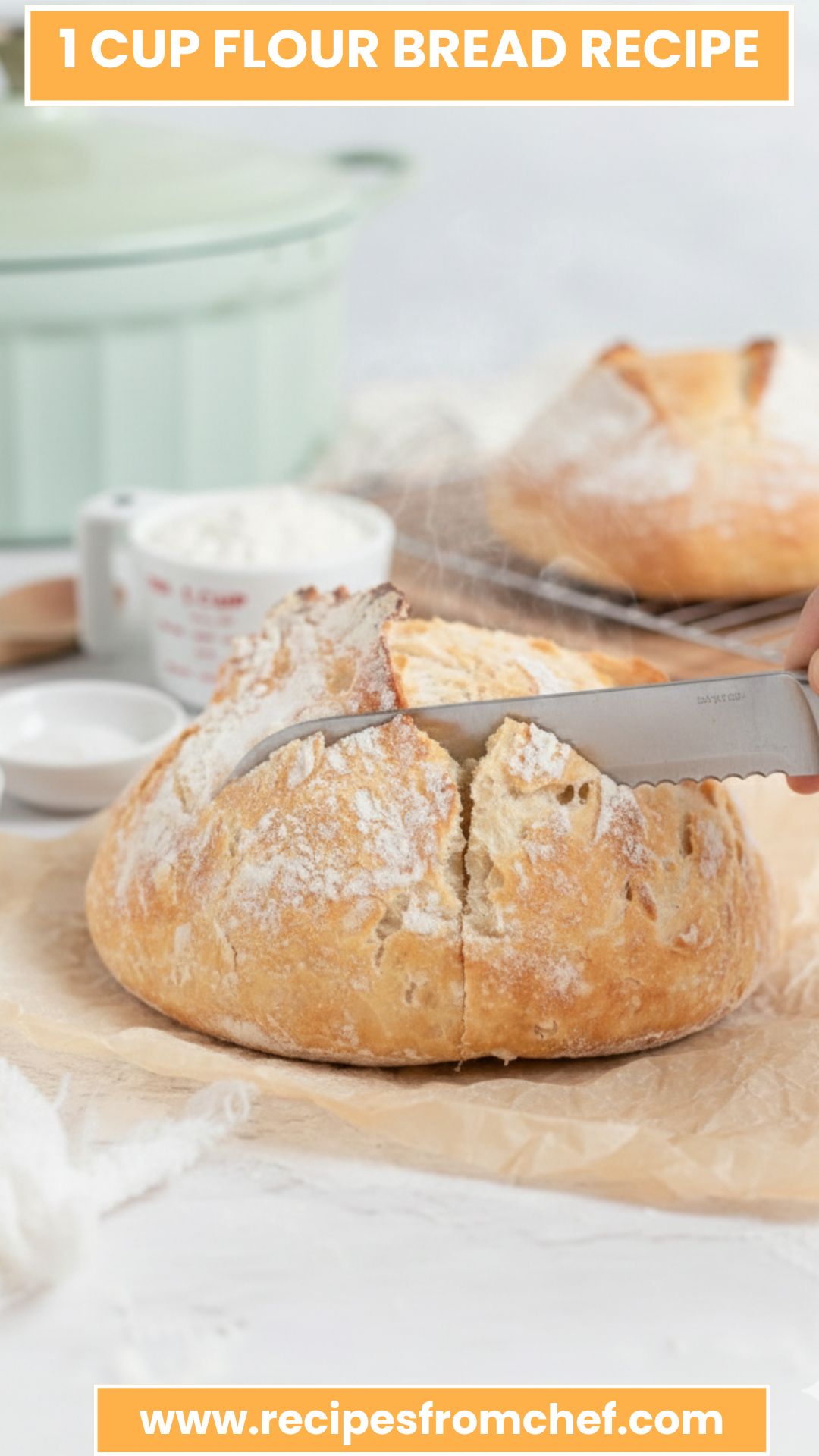
- Carefully transfer your baked bread to a cooling rack, and let it cool completely before slicing into it. Letting it rest enhances the texture and flavor further—waiting is the hardest part!
Notes
- Hydration Level: Adjust the water slightly based on the flour you use. If your dough feels too dry, add a tiny bit more water.
- Perfect Timing: Aim for a long, slow rise for the best flavor. Don’t be in a rush to bake it early!
- Flavor Experimentation: Feel free to add herbs like rosemary or garlic for a fun twist. Mix it into the dough during the initial stage.
- Proper Scoring: Scoring not only allows steam to escape but also makes for a beautiful presentation.
- Dutch Oven Alternatives: If you don’t have a Dutch oven, use a pizza stone or a cast-iron skillet with a lid, ensuring heat circulates properly.