Ingredients
Method
Step 1: Prepping the Turkey
- Begin by thoroughly rinsing your turkey under cold water. I’ve learned that this initial rinse can help remove any residual blood and ensures cleanliness. Once rinsed, it’s time to pat it dry with paper towels. Now, season the cavity generously with kosher salt and freshly ground black pepper. This step is crucial—much of the turkey's flavor begins here.
Step 2: Aromatics Are Key
- In a large bowl, combine the smashed garlic, quartered onion, and fresh herbs. Place this aromatic mixture inside the turkey’s cavity. These flavors will seep into the meat as it roasts. Honestly, the smell alone will have everyone excited for dinner.
Step 3: Butter It Up
- Take that room-temperature unsalted butter and gently slide pats under the turkey skin. This is where the magic starts. The butter keeps the meat moist and provides a golden finish. Don’t be shy! A little goes a long way.
Step 4: The Perfect Roasting Bed
- Now, in a roasting pan, pour in the chicken broth or turkey stock (or water if that’s all you have). This liquid will help keep the turkey from drying out while offering a base for your gravy later on. Let the turkey rest on a rack in the pan, elevating it above the liquid. You want it to roast, not boil!
Step 5: Seasoning the Skin
- Now it’s time to season the turkey skin generously with kosher salt and black pepper. I can't stress enough how critical this part is. It enhances the flavors and creates a beautifully flavored crust.
Step 6: Roast Away
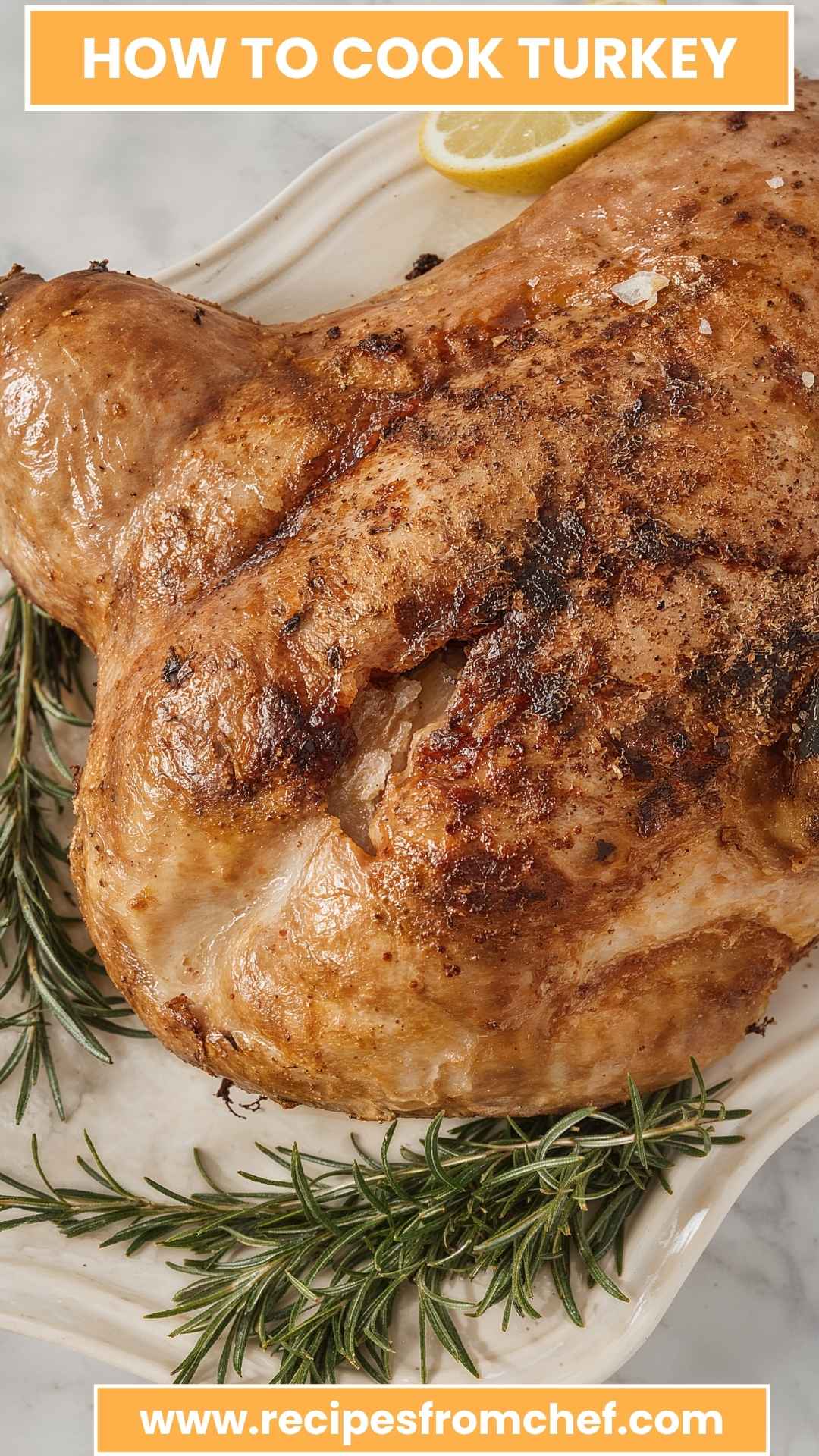
- Preheat your oven to 325°F (163°C). Place that turkey in the oven, and let it roast. A general rule is about 13-15 minutes per pound. A meat thermometer is your best friend here. Aim for an internal temperature of 165°F in the thickest part of the breast. Consider basting the turkey every 30 minutes with the pan juices to keep it juicy and moist. If you don’t want to manage basting, that’s perfectly fine! The key is to trust the process.
Step 7: Resting Time
- After you've pulled the turkey out of the oven, resist the urge to carve it right away. Resting is crucial. Let it rest for at least 20-30 minutes to allow the juices to redistribute. This step ensures a tender and juicy turkey.
Notes
- Garlic: I find smashed garlic to be more flavorful than minced. It infuses beautifully but doesn’t overpower the dish.
- Yellow Onion: When cooked, it caramelizes and sweetens, creating a perfect backdrop for your turkey.
- Low-Sodium Broth: If you’re like me and prefer a low-sodium option, use homemade stock or store-bought, but always remember to balance the added salt elsewhere.
- Fresh Herbs: Fresh herbs breathe life into the turkey. Feel free to mix and match! Parsley and tarragon can also work great.
- Butter: Room temperature is key. If you attempt to use cold butter, it’s much harder to work with.
- Whole Turkey: Ensure it’s completely thawed if frozen. A slow thaw in the fridge is safest and best for flavor.