
Ingredients
Method
Step 1: Prepare Your Pan and Preheat the Oven
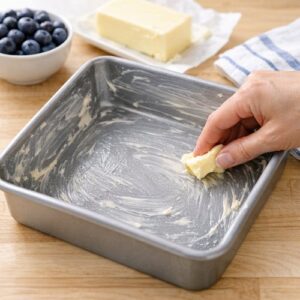
- Start by preheating your oven to 350°F and generously greasing a 9-inch square baking pan with softened butter or cooking spray. The moderate temperature is non-negotiable here. Higher temperatures will brown the crumble topping too quickly before the cake centers properly. While the oven comes to temperature, you're mentally preparing for the mixing steps ahead. This pause—even 5 minutes—gives you time to gather all ingredients and read through the remaining steps.
Step 2: Combine the Dry Ingredients
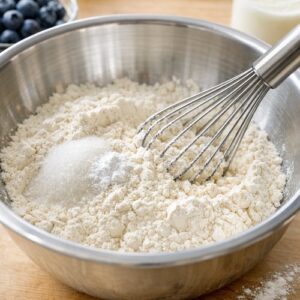
- In a large mixing bowl, whisk together the flour, granulated sugar, and baking powder. Use a whisk rather than a fork—the wire whisk aerates the flour and distributes the leavening evenly throughout, which means your cake will rise predictably and uniformly. This is where many home bakers skip a step, and it shows in the results. Spend 30 seconds whisking, making sure you break up any small lumps in the flour or sugar.
Step 3: Create the Wet Ingredient Mixture
- In a small bowl, lightly beat the egg with a fork, then add the milk and set aside temporarily. Cut the softened butter into small cubes (about the size of peas) directly into the bowl with your dry ingredients. Here's the critical part: you're not melting the butter because melted butter creates a different texture—more like a quick bread or muffin. Softened butter distributes differently through the batter, creating a more delicate crumb structure.

Step 4: Combine Wet and Dry (The Crucial Mixing Moment)
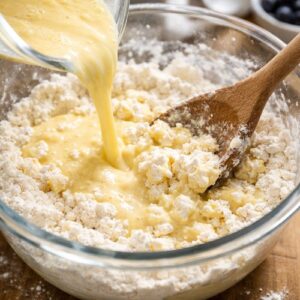
- Pour the egg-milk mixture into the bowl with the flour and butter. Using a sturdy wooden spoon or spatula, stir until just combined. You'll notice the batter is very thick—thicker than you might expect. Don't panic and add more milk. This thickness is intentional. The batter should be the consistency of thick pancake batter or cookie dough. If you notice dry flour at the bottom after a minute of stirring, finish mixing with your hands, squeezing the butter and flour together until fully incorporated. Fold in the lemon peel at this point. The stirring action should take less than 2 minutes total. Overmixing at this stage develops gluten, which makes the cake tough. Stop as soon as the flour disappears.
Step 5: Fold in the Blueberries Gently
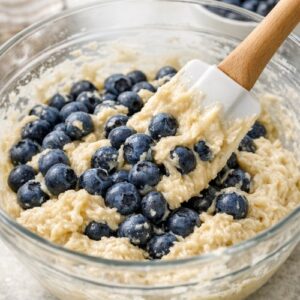
- Add the blueberries and use a rubber spatula to fold them in with as few strokes as possible. Because the batter is thick, this takes patience—usually 10-12 deliberate folds rather than vigorous mixing. You're trying to distribute the berries without crushing them or overdeveloping the gluten. If you're using frozen blueberries, don't thaw them first; frozen berries actually maintain their structure better during baking and create less "weeping" of berry juice into the batter. Spread the batter into your prepared pan, using the spatula to distribute it evenly. Don't worry about it being perfectly smooth—this is rustic.
Step 6: Make the Walnut Crumble Topping
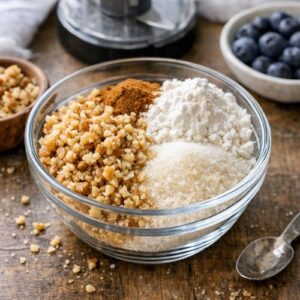
- While the batter rests, prepare the crumble. In a small bowl or mini food processor, combine the sugar, flour, finely chopped walnuts, and ground cinnamon. Add the cold butter cubes and either pulse the processor 5-6 times or work the mixture with your fingertips until it resembles coarse breadcrumbs. Do not over-process. You want visible butter pieces throughout the topping—these create the texture. If you over-process, the topping bakes into a dense sheet rather than a crumbly layer. My preferred method is using my fingertips because I can feel when it's ready. The mixture should hold together slightly when you squeeze it, but still fall apart when you release it.
Step 7: Add the Topping and Bake
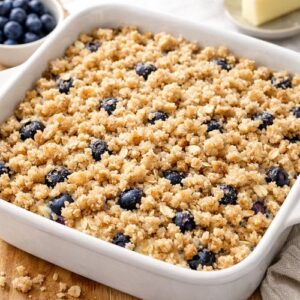
- Sprinkle the crumble mixture evenly over the batter. You don't need to press it down. Bake at 350°F for 40-45 minutes, until a toothpick inserted in the center comes out with just a few moist crumbs attached (not wet batter, but not completely dry either). The crumble topping should be golden brown, and the edges of the cake should start to pull away slightly from the pan. Let the cake cool in the pan for 10 minutes before proceeding to the drizzle step. This resting period lets the structure set.
Step 8: Make and Apply the Powdered Sugar Drizzle
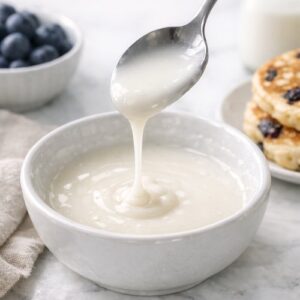
- In a small bowl, whisk together the powdered sugar and 2 tablespoons of milk. The mixture should be thin enough to drizzle from a spoon but thick enough to create visible lines on top of the cake. If it's too thick, add milk one teaspoon at a time. If it's too thin (running off the cake), add a bit more powdered sugar. Using the tines of a fork or a small spoon, drizzle the mixture over the warm cake in back-and-forth motions. Let the cake rest at room temperature for 15-20 minutes, allowing the powdered sugar to set before serving or storing.