Blueberry Breakfast Recipe
 Rosa Crumley
July 13, 2026
Rosa Crumley
July 13, 2026
This post contains affiliate links. As an Amazon Associate I earn from qualifying purchases.
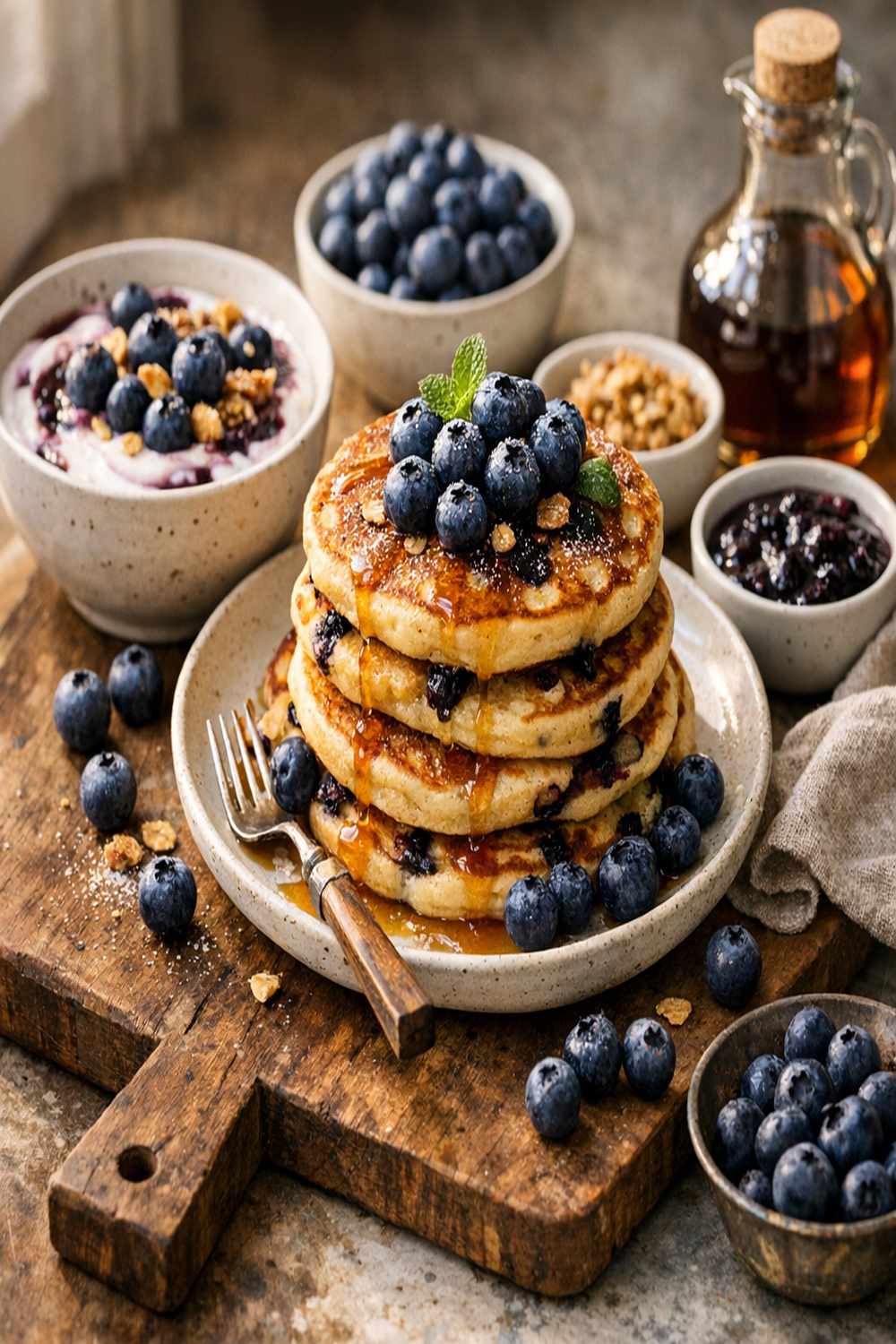
You’ve probably tried the dense grocery store version, the oversweetened diner rendition, and maybe even that one from a box mix. Here’s why this blueberry breakfast cake wins: it delivers the tender crumb and bright berry flavor of a restaurant-quality pastry in under an hour, using ingredients already in your kitchen. I learned this technique years ago from my grandmother, who’d let me stand on a stool in her Pittsburgh kitchen, watching her fold fresh berries into thick, golden batter while the aroma of lemon and cinnamon filled every corner. That memory shaped how I approach breakfast baking today—with intention, simplicity, and a deep respect for what happens when technique meets genuine ingredients.
Blueberry Breakfast Cake: Which Method Actually Works Best?
I’ve tested dozens of approaches to breakfast cake over my career as a registered dietitian. Some methods produce gummy centers. Others bake the blueberries into hard little pockets. The stovetop pancake version? Too thin. The elaborate laminated pastry approach? Too intimidating for weekday mornings. After years of experimenting with different ratios, mixing methods, and topping techniques, I’ve refined an approach that consistently delivers results—every single time.
The key differences lie in three places: how you combine the batter, when you fold in the berries, and what you do with that crumble topping. Get these details right, and you’ll understand why this method has become my go-to recommendation for anyone seeking a restaurant-caliber breakfast without the restaurant complexity.
The Methods Compared: An Honest Breakdown
Let me walk you through what actually happens with the three most common approaches to blueberry breakfast cake. I’ve made each of these versions enough times to know their strengths and, more importantly, their weaknesses.
- The Muffin-Style Method – This approach treats the batter like muffin batter and overmixes to incorporate air. You get a lighter crumb, yes, but the berries sink to the bottom and create those hard pockets I mentioned. Mixing time is actually shorter (about 15 minutes total), but you’ll sacrifice texture. This works best if you’re in a genuine rush and don’t mind a less refined result.
- The Creamed Butter Approach – This method requires creaming softened butter with sugar until pale, then gradually adding eggs and other wet ingredients. It takes 25-30 minutes of active work and requires multiple bowls. The texture is wonderfully tender, but the extra steps mean more dishes and a longer prep window. Choose this if you have time and genuinely enjoy the baking process as meditation.
- This Method (Simplified Fold-In Technique) – Here’s why this wins: you combine dry ingredients in one bowl, add wet ingredients to create a thick, cohesive batter, then gently fold in the blueberries using a spatula. The thick batter suspends the berries throughout the cake rather than letting them sink. The crumble topping adds textural contrast and keeps the surface from drying out. Total active time is 20 minutes, cleanup is minimal, and the results rival any professional bakery. You’ll get an evenly distributed berry distribution, a tender crumb, and a golden-brown exterior with that satisfying nutty crumble on top.
Why This Version Beats the Rest
Let me be specific about what makes this approach superior. First, the thick batter acts like a protective cushion for your blueberries. Because the batter consistency is closer to cake than to pancake batter, the berries don’t have room to sink or roll around. They stay suspended throughout the cake, giving you blueberry in nearly every bite—no more biting into sections with no berries at all.
Second, the walnut-cinnamon crumble topping does three critical things simultaneously: it adds a textural element that makes the cake feel more restaurant-quality, it contains the moisture during baking (preventing a dry top), and it creates those golden-brown pockets that catch the light when you slice into the finished cake. The nuts provide protein and healthy fats, turning a simple breakfast into something actually nourishing.
Third, the lemon peel isn’t an afterthought here—it’s essential. The bright, subtle citrus note cuts through the sweetness and makes the blueberries taste more like themselves. It’s a chef’s technique that separates “good” from “exceptional,” and it requires nothing more than a microplane and 30 seconds of your time.
Finally, the baking temperature of 350°F (rather than the typical 375°F) allows the cake to bake gently and evenly, giving the center time to set without the edges becoming tough. This moderate temperature, combined with 40-45 minutes of baking time, creates a cake that’s moist inside and golden outside.
The Ingredients
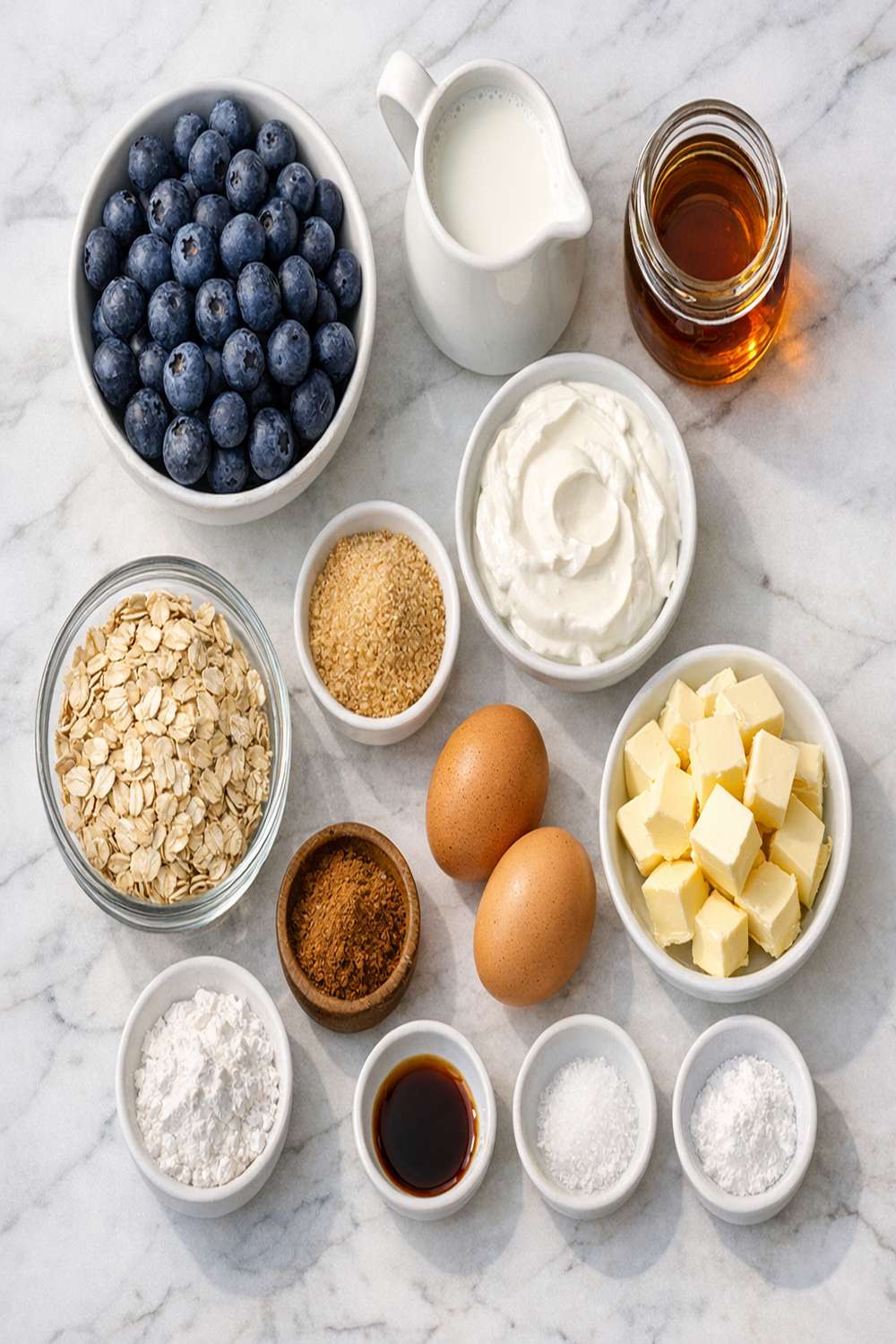
Every ingredient in this cake serves a specific purpose. Unlike some recipes where you can swap freely, these choices work together as a system. The proportions, the fat content, even the type of leavening—all of it matters. I’ve noted where this version differs from standard breakfast cake recipes and why those differences produce superior results.
For the Cake
- 2 teaspoons baking powder (this is the key leavening; don’t skip or substitute baking soda)
- 2 cups all-purpose flour (spooned and leveled, never packed—this ensures the right structure)
- 1 teaspoon grated lemon peel (fresh, not dried—the difference is remarkable)
- 1 large egg (room temperature, which blends more smoothly into the thick batter)
- 2 cups fresh or frozen blueberries (frozen works beautifully; no need to thaw)
- ½ cup granulated sugar (white sugar dissolves more evenly than brown in this batter)
- ½ cup whole milk (full-fat creates a more tender crumb than low-fat versions)
- ¼ cup unsalted butter (softened but not melted—this texture is crucial for proper mixing)
For the Walnut Crumble Topping
- ¼ cup walnuts (finely chopped, providing texture and omega-3 fatty acids)
- 3 tablespoons cold unsalted butter (cut into small cubes before mixing)
- ⅓ cup granulated sugar (creates the binding structure of the crumble)
- ¼ cup all-purpose flour (prevents the topping from becoming greasy)
- ½ teaspoon ground cinnamon (pairs perfectly with blueberries and walnuts)
For the Powdered Sugar Drizzle
- ½ cup powdered sugar (sifted if lumpy, for smooth drizzle consistency)
- 2 tablespoons whole milk (add gradually to control thickness)
Makes one 9-inch square cake, approximately 9 servings.
The ingredient list is deliberately restrained. You won’t find vanilla extract (unnecessary with such fresh flavors), you won’t find multiple spices fighting for attention, and you won’t find any ingredient that doesn’t earn its place. This is the philosophy I learned in my grandmother’s kitchen: let the good ingredients do the work.
How to Make the Best Version of Blueberry Breakfast Cake
Each step here builds on the previous one. Skip ahead or rush through, and you’ll notice the difference in your results. I’ve included the reasoning behind each technique so you understand not just what to do, but why it matters.
Step 1: Prepare Your Pan and Preheat the Oven
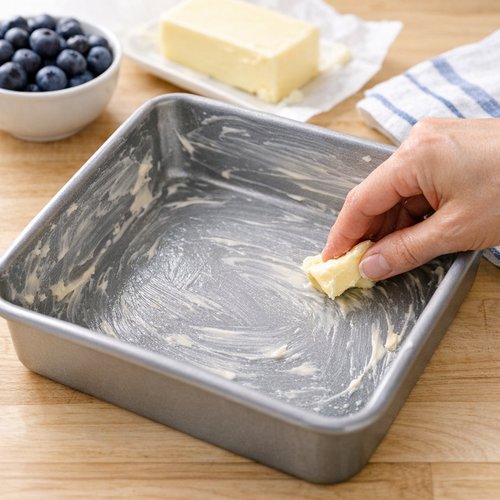
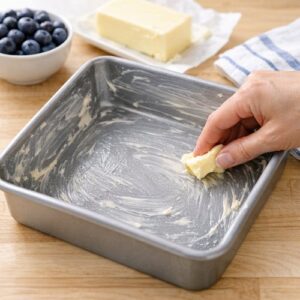
Start by preheating your oven to 350°F and generously greasing a 9-inch square baking pan with softened butter or cooking spray. The moderate temperature is non-negotiable here. Higher temperatures will brown the crumble topping too quickly before the cake centers properly. While the oven comes to temperature, you’re mentally preparing for the mixing steps ahead. This pause—even 5 minutes—gives you time to gather all ingredients and read through the remaining steps.
Step 2: Combine the Dry Ingredients
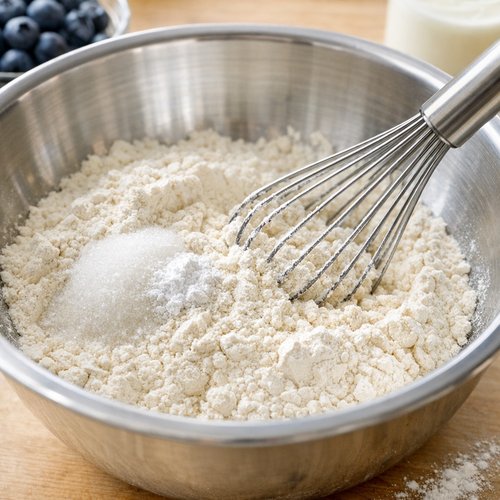
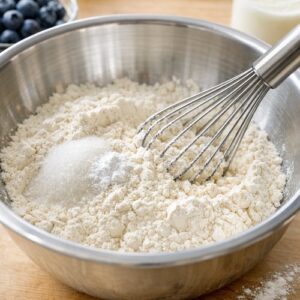
In a large mixing bowl, whisk together the flour, granulated sugar, and baking powder. Use a whisk rather than a fork—the wire whisk aerates the flour and distributes the leavening evenly throughout, which means your cake will rise predictably and uniformly. This is where many home bakers skip a step, and it shows in the results. Spend 30 seconds whisking, making sure you break up any small lumps in the flour or sugar.
Step 3: Create the Wet Ingredient Mixture
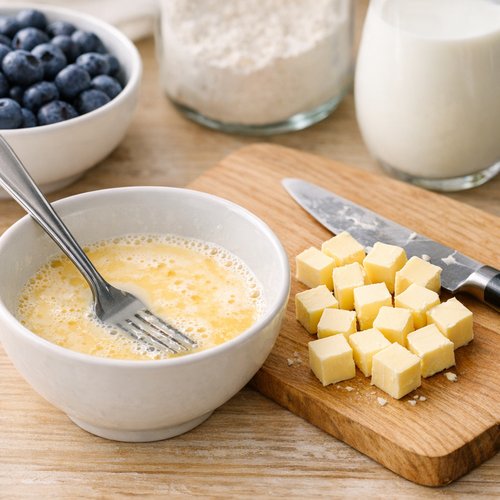
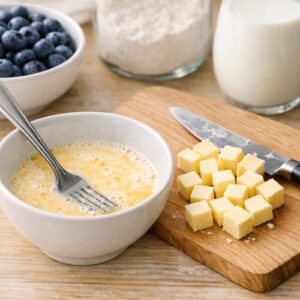
In a small bowl, lightly beat the egg with a fork, then add the milk and set aside temporarily. Cut the softened butter into small cubes (about the size of peas) directly into the bowl with your dry ingredients. Here’s the critical part: you’re not melting the butter because melted butter creates a different texture—more like a quick bread or muffin. Softened butter distributes differently through the batter, creating a more delicate crumb structure.
Step 4: Combine Wet and Dry (The Crucial Mixing Moment)
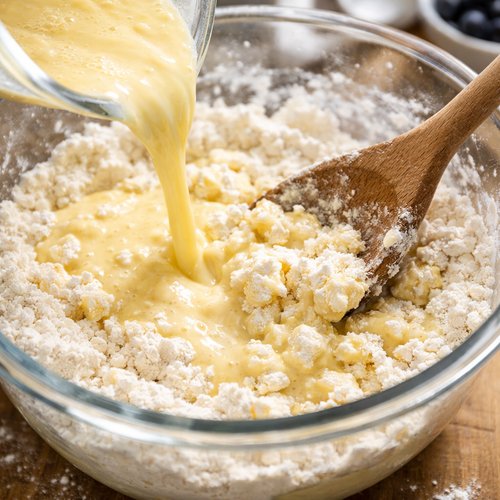
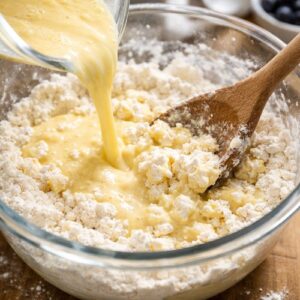
Pour the egg-milk mixture into the bowl with the flour and butter. Using a sturdy wooden spoon or spatula, stir until just combined. You’ll notice the batter is very thick—thicker than you might expect. Don’t panic and add more milk. This thickness is intentional. The batter should be the consistency of thick pancake batter or cookie dough. If you notice dry flour at the bottom after a minute of stirring, finish mixing with your hands, squeezing the butter and flour together until fully incorporated.
Fold in the lemon peel at this point. The stirring action should take less than 2 minutes total. Overmixing at this stage develops gluten, which makes the cake tough. Stop as soon as the flour disappears.
Step 5: Fold in the Blueberries Gently
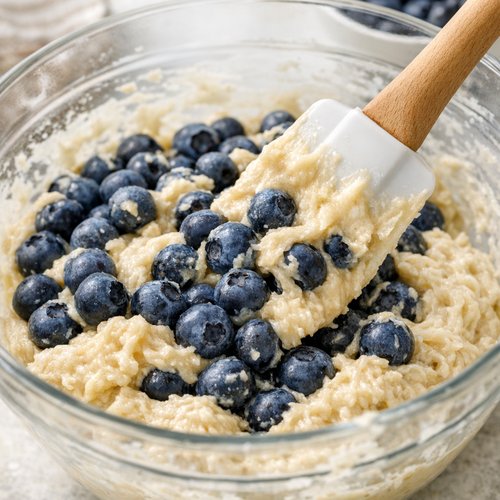
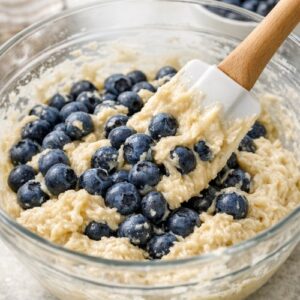
Add the blueberries and use a rubber spatula to fold them in with as few strokes as possible. Because the batter is thick, this takes patience—usually 10-12 deliberate folds rather than vigorous mixing. You’re trying to distribute the berries without crushing them or overdeveloping the gluten. If you’re using frozen blueberries, don’t thaw them first; frozen berries actually maintain their structure better during baking and create less “weeping” of berry juice into the batter.
Spread the batter into your prepared pan, using the spatula to distribute it evenly. Don’t worry about it being perfectly smooth—this is rustic.
Step 6: Make the Walnut Crumble Topping
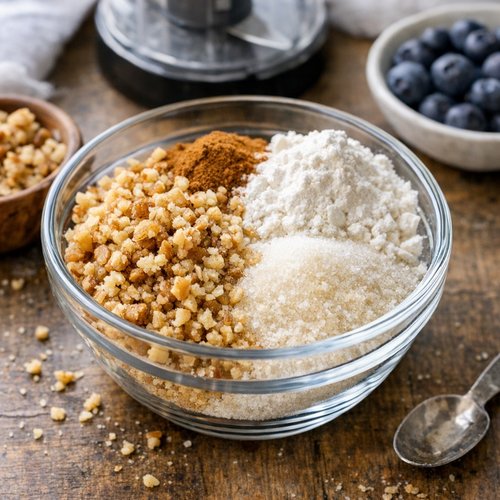
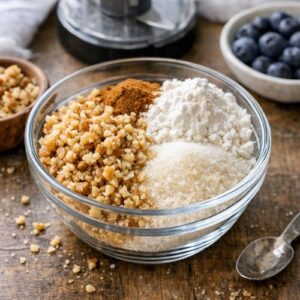
While the batter rests, prepare the crumble. In a small bowl or mini food processor, combine the sugar, flour, finely chopped walnuts, and ground cinnamon. Add the cold butter cubes and either pulse the processor 5-6 times or work the mixture with your fingertips until it resembles coarse breadcrumbs. Do not over-process. You want visible butter pieces throughout the topping—these create the texture. If you over-process, the topping bakes into a dense sheet rather than a crumbly layer.
My preferred method is using my fingertips because I can feel when it’s ready. The mixture should hold together slightly when you squeeze it, but still fall apart when you release it.
Step 7: Add the Topping and Bake
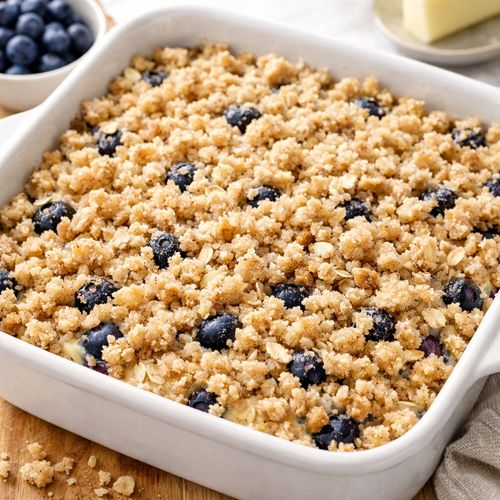
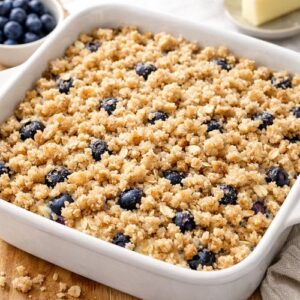
Sprinkle the crumble mixture evenly over the batter. You don’t need to press it down. Bake at 350°F for 40-45 minutes, until a toothpick inserted in the center comes out with just a few moist crumbs attached (not wet batter, but not completely dry either). The crumble topping should be golden brown, and the edges of the cake should start to pull away slightly from the pan.
Let the cake cool in the pan for 10 minutes before proceeding to the drizzle step. This resting period lets the structure set.
Step 8: Make and Apply the Powdered Sugar Drizzle
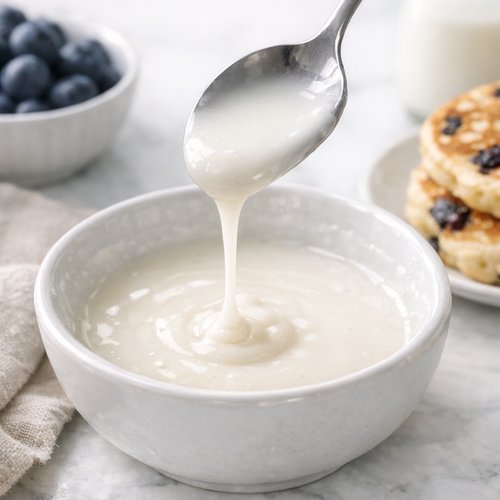
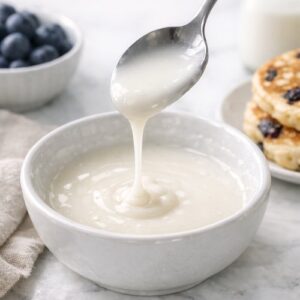
In a small bowl, whisk together the powdered sugar and 2 tablespoons of milk. The mixture should be thin enough to drizzle from a spoon but thick enough to create visible lines on top of the cake. If it’s too thick, add milk one teaspoon at a time. If it’s too thin (running off the cake), add a bit more powdered sugar.
Using the tines of a fork or a small spoon, drizzle the mixture over the warm cake in back-and-forth motions. Let the cake rest at room temperature for 15-20 minutes, allowing the powdered sugar to set before serving or storing.
Side-by-Side Results: What to Expect
When you cut into this cake, you’ll notice several things that distinguish it from other versions. The blueberries are distributed throughout rather than concentrated at the bottom. The crumb is tender and slightly moist, never dense or gummy. The crust is golden brown, and the crumble topping has a satisfying crunch that contrasts beautifully with the soft cake beneath.
The powdered sugar drizzle sets into a thin, slightly sweet glaze that adds a professional finish without overwhelming the cake’s natural flavors. The lemon peel becomes apparent once you taste it—subtle, bright, and absolutely essential to the flavor profile.
Compared to muffin-style versions, this cake is more cohesive and refined. Compared to overly creamed versions, it’s actually less fussy to produce and equally tender. The crumble topping makes this cake feel more like a bakery item than a simple breakfast bread, yet it takes no special equipment or techniques to achieve.
When to Use Each Method
- Weekday mornings when you need breakfast for a crowd – This method wins because it comes together in 20 minutes of active work and bakes in 45 minutes. You can prep it the night before (unbaked) and pop it in the oven while you shower. The thick batter doesn’t require precise measuring or technique.
- When you want to impress without showing effort – This method wins because the combination of tender cake, walnut crumble, and drizzle looks restaurant-quality but requires no special skills. Guests will assume you spent hours on it.
- When you’re working with frozen berries – This method wins because the thick batter and gentle folding approach actually handles frozen berries better than other methods. No need to thaw. The berries distribute evenly and don’t create those hard pockets.
Can I Store Blueberry Breakfast Cake?
Room Temperature: Keep the cake in an airtight container at room temperature for up to 3 days. The crumble topping will soften slightly by day two, but the cake actually improves as the flavors meld.
Refrigerator: Store in an airtight container for up to 5 days. The cold actually enhances the texture, making it slightly firmer and easier to slice cleanly. Warm slices in a 300°F oven for 8-10 minutes if you prefer them warm.
Freezer: Wrap the fully cooled, unglazed cake tightly in plastic wrap and then aluminum foil. Freeze for up to 3 months. Thaw at room temperature for 2-3 hours before glazing. The texture remains remarkably tender after freezing.
Make-Ahead Option: You can prepare the batter, add it to the pan, and refrigerate unbaked for up to 12 hours. Bake directly from cold (add 5-8 minutes to baking time). Prepare the crumble topping separately and add it just before baking.
Expert’s Nutritional Tip
As a registered dietitian, I’m particularly interested in the nutritional profile of foods we serve for breakfast. This cake contains real fruit, whole grain flour, and nuts—actual foods rather than processed ingredients. One serving provides approximately 18 grams of carbohydrates, but here’s what matters: about half comes from the naturally occurring sugars in blueberries and the added sugar in the cake, while the other half comes from the fiber and starches in the flour and nuts.
Blueberries contribute anthocyanins, powerful antioxidants linked to cardiovascular health and cognitive function. Walnuts add omega-3 fatty acids and polyphenols. This isn’t “health food” that tastes like deprivation—it’s genuinely nutritious food that also happens to be delicious. That’s the kind of breakfast I serve to my own family.
Common Mistakes to Avoid
Melting the butter instead of softening it: This changes the texture dramatically. Melted butter creates a greasier crumb and doesn’t incorporate as cleanly into the thick batter. The cake becomes denser. Always soften butter to room temperature (about 65-70°F) where it’s moldable but still holds its shape.
Adding too much milk because the batter “looks too thick”: Trust the process. The thick batter is intentional. It suspends the berries and creates the tender crumb. If you thin it out, the berries sink and you lose the whole advantage of this method. The batter should be thick enough that you can spread it into the pan with a spatula.
Over-processing the crumble topping: A food processor is helpful, but it’s easy to pulse too many times. Once you see a breadcrumb-like texture, stop immediately. Over-mixing makes the topping compact and dense rather than crumbly. My preference for hand-mixing isn’t nostalgia—it genuinely produces better texture because you can feel when it’s ready.
Skipping the lemon peel: I’ve seen many versions of this recipe without it, and they taste flat by comparison. The lemon peel takes 30 seconds to add and transforms the flavor completely. It’s not a “lemony” cake—the citrus is subtle—but it makes the blueberries taste more vibrant. Don’t skip it.
Seasonal Variations
Spring (March-May): Use fresh blueberries when they arrive at farmers markets. Add a tablespoon of edible fresh mint leaves, finely chopped, to the batter. The mint complements the brightness of fresh berries beautifully. Replace half the walnuts in the topping with chopped pistachios for a subtle, unexpected note.
Summer (June-August): This is peak blueberry season. Use fresh berries exclusively and increase to 2.5 cups if you prefer a berry-forward cake. Add ½ teaspoon of vanilla extract to the batter for depth. Consider adding blackberries or raspberries (mixed berry version) for complexity.
Fall (September-November): Use frozen blueberries and add ¼ teaspoon of nutmeg to the cake batter for warmth. Replace the cinnamon in the topping with equal parts cinnamon and ginger (about ¼ teaspoon each). Add ⅓ cup of chopped pecans instead of walnuts.
Winter (December-February): Use frozen blueberries and add the zest of an orange (instead of just lemon) to the batter for brightness during darker months. Add a pinch of cardamom to the crumble topping. Consider serving warm with a dollop of Greek yogurt or a drizzle of warm honey.
What Can I Serve With Blueberry Breakfast Cake?
This cake stands beautifully on its own, but here are serving suggestions that complement it perfectly:
- Greek yogurt – A dollop of plain or vanilla Greek yogurt adds creaminess and protein. The tang balances the sweetness elegantly.
- Whipped cream – Simple and traditional. A light whip of heavy cream (just beaten until soft peaks form) adds luxury without overwhelming the cake’s delicate flavor.
- Unsalted butter – A pat of good-quality butter melting into a warm slice captures some of that coffee cake experience. The richness complements the cake perfectly.
- Fresh berries on the side – Serve additional fresh blueberries, raspberries, or blackberries alongside. This adds freshness and visual appeal.
- Coffee or tea – This cake is genuinely designed to accompany morning coffee or afternoon tea. The subtle lemon and cinnamon flavors play well with both.
If you’re serving this alongside a complete breakfast, pair it with savory items like scrambled eggs or bacon to balance the sweetness. Try presenting it alongside this simple cake for a more elaborate brunch, or simply slice and serve with Applesauce Recipe on the side for morning contrast.

Blueberry Breakfast Recipe
Ingredients
Method
- Start by preheating your oven to 350°F and generously greasing a 9-inch square baking pan with softened butter or cooking spray. The moderate temperature is non-negotiable here. Higher temperatures will brown the crumble topping too quickly before the cake centers properly. While the oven comes to temperature, you're mentally preparing for the mixing steps ahead. This pause—even 5 minutes—gives you time to gather all ingredients and read through the remaining steps.
- In a large mixing bowl, whisk together the flour, granulated sugar, and baking powder. Use a whisk rather than a fork—the wire whisk aerates the flour and distributes the leavening evenly throughout, which means your cake will rise predictably and uniformly. This is where many home bakers skip a step, and it shows in the results. Spend 30 seconds whisking, making sure you break up any small lumps in the flour or sugar.
- In a small bowl, lightly beat the egg with a fork, then add the milk and set aside temporarily. Cut the softened butter into small cubes (about the size of peas) directly into the bowl with your dry ingredients. Here's the critical part: you're not melting the butter because melted butter creates a different texture—more like a quick bread or muffin. Softened butter distributes differently through the batter, creating a more delicate crumb structure.
- Pour the egg-milk mixture into the bowl with the flour and butter. Using a sturdy wooden spoon or spatula, stir until just combined. You'll notice the batter is very thick—thicker than you might expect. Don't panic and add more milk. This thickness is intentional. The batter should be the consistency of thick pancake batter or cookie dough. If you notice dry flour at the bottom after a minute of stirring, finish mixing with your hands, squeezing the butter and flour together until fully incorporated. Fold in the lemon peel at this point. The stirring action should take less than 2 minutes total. Overmixing at this stage develops gluten, which makes the cake tough. Stop as soon as the flour disappears.
- Add the blueberries and use a rubber spatula to fold them in with as few strokes as possible. Because the batter is thick, this takes patience—usually 10-12 deliberate folds rather than vigorous mixing. You're trying to distribute the berries without crushing them or overdeveloping the gluten. If you're using frozen blueberries, don't thaw them first; frozen berries actually maintain their structure better during baking and create less "weeping" of berry juice into the batter. Spread the batter into your prepared pan, using the spatula to distribute it evenly. Don't worry about it being perfectly smooth—this is rustic.
- While the batter rests, prepare the crumble. In a small bowl or mini food processor, combine the sugar, flour, finely chopped walnuts, and ground cinnamon. Add the cold butter cubes and either pulse the processor 5-6 times or work the mixture with your fingertips until it resembles coarse breadcrumbs. Do not over-process. You want visible butter pieces throughout the topping—these create the texture. If you over-process, the topping bakes into a dense sheet rather than a crumbly layer. My preferred method is using my fingertips because I can feel when it's ready. The mixture should hold together slightly when you squeeze it, but still fall apart when you release it.
- Sprinkle the crumble mixture evenly over the batter. You don't need to press it down. Bake at 350°F for 40-45 minutes, until a toothpick inserted in the center comes out with just a few moist crumbs attached (not wet batter, but not completely dry either). The crumble topping should be golden brown, and the edges of the cake should start to pull away slightly from the pan. Let the cake cool in the pan for 10 minutes before proceeding to the drizzle step. This resting period lets the structure set.
- In a small bowl, whisk together the powdered sugar and 2 tablespoons of milk. The mixture should be thin enough to drizzle from a spoon but thick enough to create visible lines on top of the cake. If it's too thick, add milk one teaspoon at a time. If it's too thin (running off the cake), add a bit more powdered sugar. Using the tines of a fork or a small spoon, drizzle the mixture over the warm cake in back-and-forth motions. Let the cake rest at room temperature for 15-20 minutes, allowing the powdered sugar to set before serving or storing.
FAQs
Can I use fresh blueberries if the recipe calls for frozen, or vice versa?
Absolutely, and I actually prefer frozen blueberries in this cake. Frozen berries are picked at peak ripeness and flash-frozen immediately, locking in flavor and nutrients. More importantly, frozen berries hold their shape better during baking and don’t “bleed” as much into the batter, which keeps the crumb clean and bright. Fresh berries work beautifully too, but don’t thaw frozen berries before using them. Add them directly to the batter while still frozen. This prevents them from breaking down during folding and baking. You might need to add 2-3 minutes to the baking time if using very large fresh berries.
Why does my cake turn out gummy in the center?
The most common cause is underbaking. A toothpick inserted in the center should come out with just a few moist crumbs—if it comes out wet with batter, the cake needs more time. Ovens vary, so use the toothpick test rather than relying solely on time. If the edges are already golden brown but the center isn’t setting, your oven temperature might be running hot. Invest in an oven thermometer (they’re inexpensive) and verify the temperature. Additionally, some berries (especially fresh ones) release more liquid during baking. If you’re using particularly juicy berries, toss them lightly in a teaspoon of flour before folding them in—this helps absorb excess moisture.
What’s the difference between this method and regular muffin recipes?
The primary differences are batter consistency and folding technique. Muffin batter is thinner (closer to pancake batter) and usually incorporates air through vigorous mixing or separated eggs. This cake uses a thick batter and minimal mixing, which creates a denser but more cohesive crumb. The thick batter also keeps berries suspended throughout the cake rather than sinking. Additionally, the crumble topping and powdered sugar drizzle are unique to cake-style recipes. The combination gives you a more refined, bakery-like result that feels special enough for brunch but casual enough for busy mornings.
Can I reduce the sugar in this recipe?
You can reduce it to ⅜ cup (down from ½ cup) if you prefer less sweetness, but no further. Sugar does more than add sweetness—it affects moisture, browning, and structure. Reducing it further will create a cake that’s overly dry and doesn’t brown properly. If you want to reduce overall sweetness, consider using blueberries with very high natural sugar content (smaller, darker berries tend to be sweeter) and omitting the powdered sugar drizzle. You could also serve smaller portions alongside tart Greek yogurt or unsweetened whipped cream.
Is this recipe naturally gluten-free, or can I adapt it?
No, as written this recipe isn’t gluten-free because all-purpose flour contains gluten. However, you can substitute a 1:1 gluten-free flour blend (like King Arthur Baking Company’s blend). Use the exact same measurements. The texture will be slightly different (often a bit more tender), but the cake remains delicious. Ensure your baking powder is certified gluten-free if that’s important for your dietary needs. I’d recommend adding an extra ¼ teaspoon of baking powder when using gluten-free flour, as these blends sometimes rise slightly less than traditional flour.
More Recipes You’ll Love
- this simple cake – A similarly tender cake with warm spices and fruit. Perfect for when you want breakfast cake but haven’t the blueberries.
- Authentic Irish Soda Bread Recipe Buttermilk – A rustic, less-sweet breakfast bread that pairs beautifully with butter and jam alongside blueberry cake.
- Best Beginner Sourdough Recipe – If you want to explore breakfast bread-making further, this sourdough is approachable and deeply rewarding.
This blueberry breakfast cake has become my default recommendation for anyone seeking a genuinely excellent breakfast that doesn’t require professional training to execute. The method is forgiving, the results are reliable, and the flavor reminds people why homemade matters. Make this once, and you’ll return to it constantly—for lazy Sunday mornings, for unexpected guests, for moments when you want to feel like you’ve accomplished something real in the kitchen. My grandmother would recognize these techniques; my nutrition knowledge tells me it’s genuinely wholesome; and my heart knows it’s worth the minimal effort. Happy cooking!