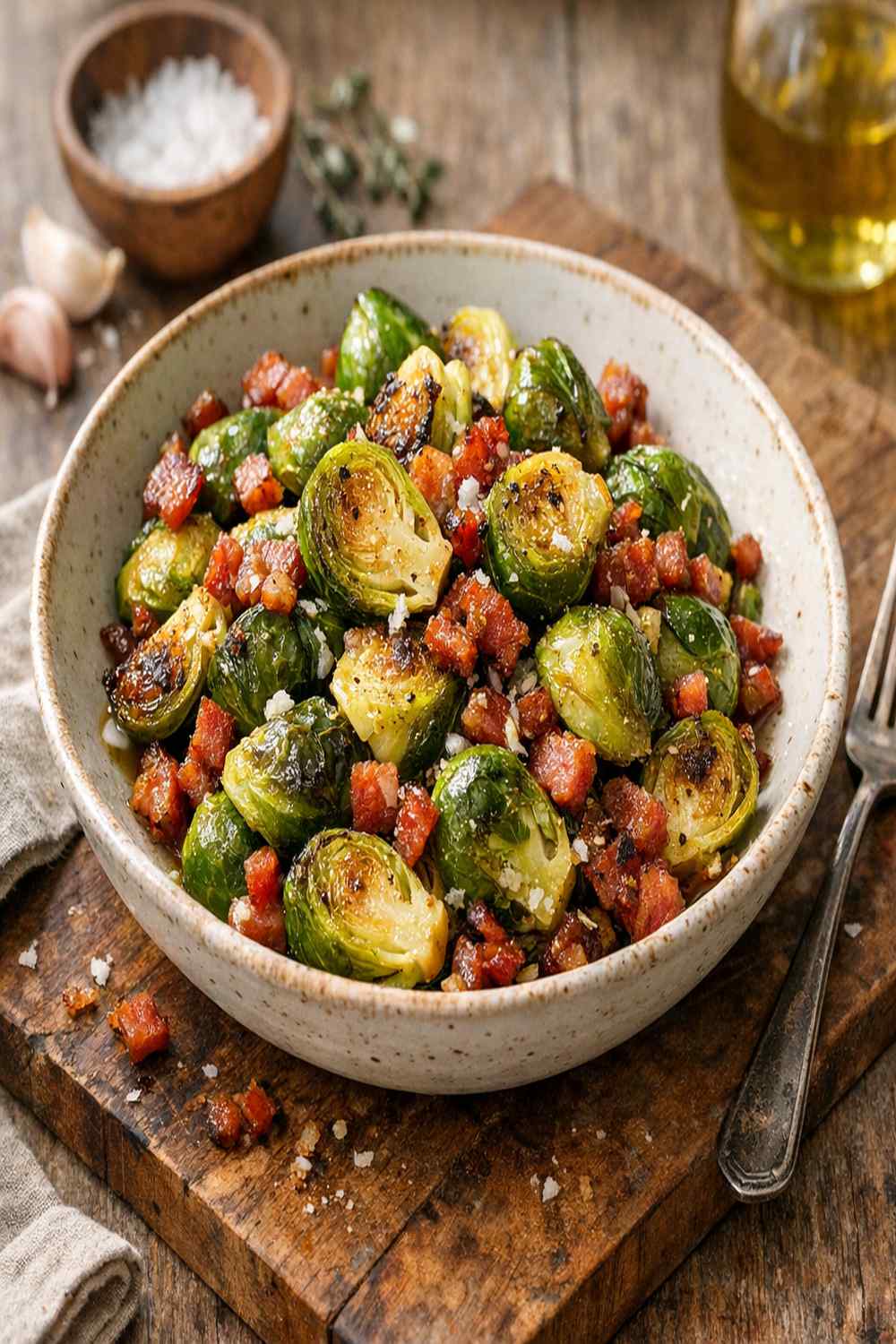

Ingredients
Method
Step 1: Prepare Your Brussels Sprouts with Intention
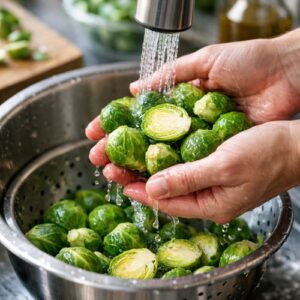
- Start by preheating your oven to 350 degrees Fahrenheit. While it's heating, prepare your brussels sprouts with care. Rinse them under cold running water and pat them completely dry with paper towels—moisture is the enemy of caramelization. Trim the stem ends and remove any yellowed or damaged outer leaves, then slice each sprout lengthwise into two halves. Transfer your prepared brussels sprouts to a large mixing bowl. Add 2 tablespoons of extra virgin olive oil and ¾ teaspoon of kosher salt. Using your hands (this is the most efficient method), toss everything together until each cut surface glistens with oil and salt crystals cling evenly to the flesh. For vegan versions, ensure your olive oil is the only fat at this stage—this creates the proper caramelization without relying on animal fat.
Step 2: Roast Until Golden and Caramelized
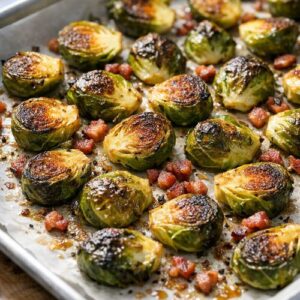
- Line a sheet pan with parchment paper for easy cleanup and optimal browning. Arrange your brussels sprouts in a single layer, cut-side down. This positioning is crucial—it's the cut surface that will develop those gorgeous, caramelized edges through direct contact with the hot pan surface. Don't crowd the pan; they should touch but not overlap. Roast for 20-25 minutes without stirring. About halfway through (around the 12-minute mark), use a sturdy spatula to flip each sprout to the opposite side. They're ready when the cut side is deep golden-brown and a fork easily pierces the flesh. For all dietary versions, this step remains identical—the roasting process is diet-agnostic. Remove the pan from the oven and set the roasted brussels sprouts aside.
Step 3: Build Flavor in Your Skillet
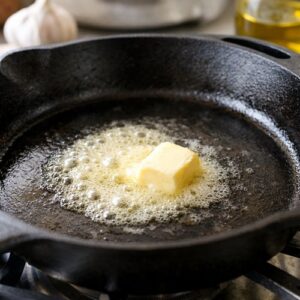
- While your brussels sprouts roast, you'll prep your flavor foundation. Place a large cast-iron skillet over medium heat. Add your chosen fat (butter, vegan butter, or ghee) and allow it to melt completely, about 1 minute. For keto enthusiasts, grass-fed butter adds additional fat-soluble vitamins and a richer taste. For vegan cooks, coconut oil provides a subtle sweetness that complements the caramelized brussels sprouts beautifully. Once melted, add your diced shallots to the warm fat. Stir constantly for 2-3 minutes, allowing the shallots to soften and turn translucent. You're not looking for browning here—gentle heat brings out their natural sweetness. This is aromatics 101: building a flavor base that will tie your entire dish together.
Step 4: Introduce Your Protein Element
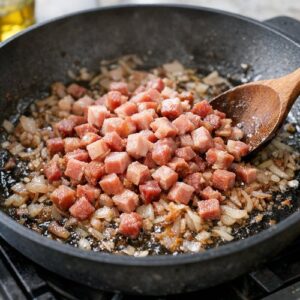
- Add your pancetta (or your chosen substitute) to the skillet with the shallots. For traditional keto and gluten-free versions, use ¾ cup of diced pancetta. For vegan versions, use ¾ cup of smoked coconut bacon, which has been toasted in the oven and broken into bite-sized pieces. Stir constantly for 5 minutes, allowing the pancetta to release its rendered fat and become crispy, or allowing the coconut bacon to warm through and become fragrant. This is where your kitchen will fill with that intoxicating aroma—the signal that everything is progressing beautifully. Add your minced lemon zest during the final minute of cooking to preserve its bright, volatile oils.
Step 5: Bring Everything Together
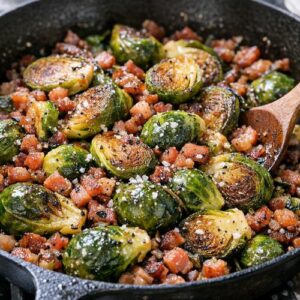
- Return your roasted brussels sprouts to the skillet with the pancetta mixture. Add the remaining ¾ teaspoon of kosher salt, ½ teaspoon of freshly ground black pepper, and the optional ¼ teaspoon of red pepper flakes. Using a wooden spoon, gently fold everything together, ensuring each brussels sprout half gets coated with the rendered fat and flavorful bits. At this moment, add the optional balsamic vinegar (1 tablespoon) and toss once more. This balsamic addition works across all dietary versions and adds a subtle sweetness that amplifies the caramelization you've already developed. Taste as you go—this is where you can adjust seasonings to your preference.
Step 6: Serve Immediately
- Transfer your finished dish to a serving platter immediately. The brussels sprouts will continue to soften slightly as they cool, and the pancetta will continue to crisp. Serving warm ensures you get that textural contrast: caramelized exterior, tender interior, and crackling pancetta pieces throughout. For all dietary versions, this recipe is best enjoyed fresh. While leftovers can be refrigerated and reheated, the textural contrast diminishes slightly with time.