Brussels Sprouts And Pancetta Recipe

This post contains affiliate links. As an Amazon Associate I earn from qualifying purchases.
Whether you’re following keto, exploring plant-based eating, or managing gluten sensitivities, you don’t have to miss out on this elegant, restaurant-quality dish. I’ve spent years helping my clients translate their dietary needs into meals that taste indulgent and feel celebratory. This brussels sprouts and pancetta recipe does exactly that—it’s naturally gluten-free, adaptable for keto enthusiasts, and surprisingly accommodating for those choosing vegan alternatives. With a few thoughtful swaps, you’ll have a side dish that works beautifully with skillet-seared salmon with garlic lemon butter sauce or stands alone as your dinner’s showstopper.
The Ultimate Brussels Sprouts and Pancetta Recipe for Every Diet
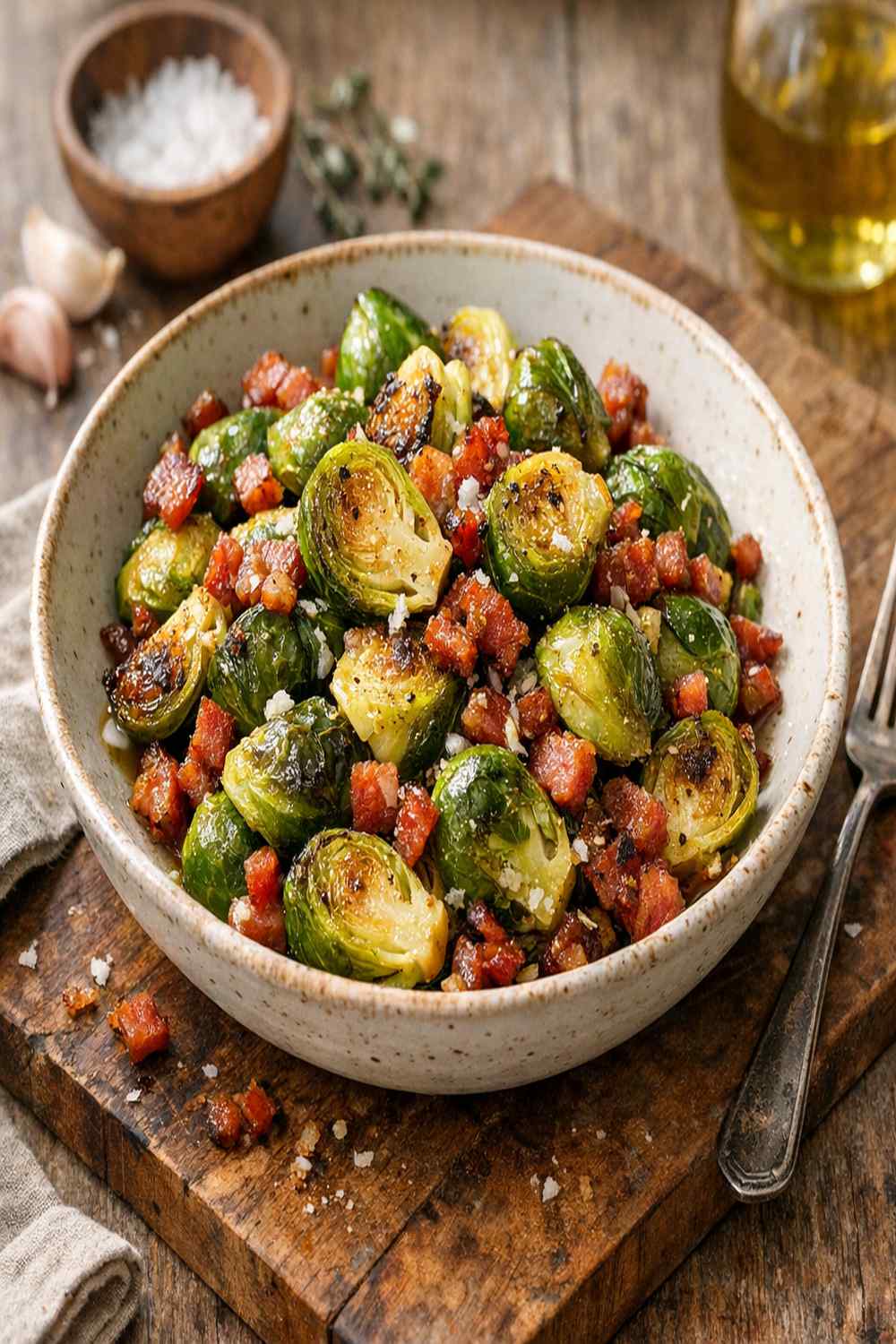
I remember standing in my grandmother’s kitchen in Pittsburgh, watching her transform humble brussels sprouts into something my skeptical cousins actually wanted to eat. She’d sear them until their edges caramelized to golden-brown perfection, then finish them with crispy pancetta and a whisper of lemon. That memory shaped how I approach cooking—taking ingredient-forward techniques and making them accessible to everyone, regardless of their dietary choices.
Over the years, I’ve worked with countless clients adapting beloved recipes to fit their lives. This dish taught me something important: the best recipes don’t require completely different instructions for different diets. Instead, they need smart ingredient swaps that preserve the soul of the dish while honoring individual needs.
Which Version Is Right for You?
Before you start, let’s identify which approach suits your dietary goals. Each version maintains the caramelized brussels sprouts and bold flavors you’re craving—only the supporting players change.
- Keto version – keeps all traditional ingredients intact. The natural fats from pancetta and butter align perfectly with keto macros, delivering approximately 8-10g net carbs per serving while keeping you in ketosis.
- Vegan version – replaces pancetta with smoked coconut bacon and swaps butter for coconut oil or vegan butter. You’ll get that smoky, umami-rich flavor without any animal products, and the recipe becomes protein-rich when paired with legumes.
- Gluten-free version – this recipe is naturally gluten-free as written. The only consideration is ensuring your pancetta hasn’t been cured with gluten-containing additives, which I’ll address in the shopping tips below.
- Dairy-free version – use ghee (clarified butter with milk solids removed) or avocado oil instead of butter. If you’re also vegan, combine this with the vegan pancetta substitution for a completely plant-based, dairy-free result.
The Base Ingredients (Works for All Versions)
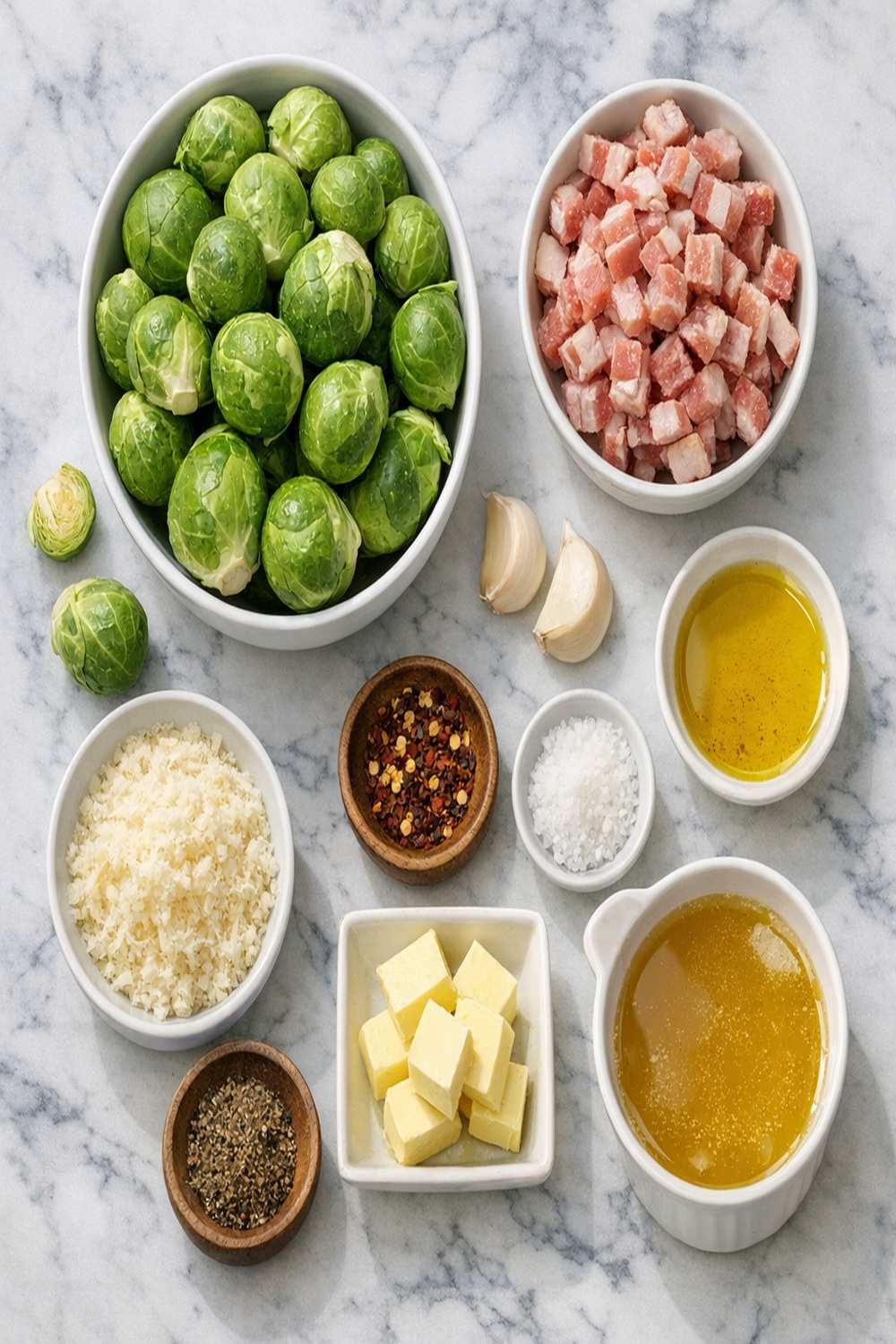
The beauty of this recipe lies in its simplicity. Most ingredients remain constant across all dietary versions—we’re simply making intelligent swaps where needed. These measurements yield four generous side-dish servings, or two larger portions if you’re enjoying this as your main course with a fresh salad.
- 1½ teaspoons kosher salt (divided between seasoning stages for better flavor distribution)
- ½ teaspoon freshly ground black pepper (always grind fresh—pre-ground loses its volatile oils)
- 2 tablespoons butter (or ghee for Whole30, or vegan butter for plant-based versions)
- 1 tablespoon balsamic vinegar (adds depth and natural sweetness—optional but highly recommended)
- 3 tablespoons extra virgin olive oil (divided—use a robust, flavorful variety, never light or refined)
- ¼ teaspoon red pepper flakes (optional, but recommended for subtle heat that complements the sweetness of roasted brussels sprouts)
- 1½ tablespoons shallots (finely diced, about one medium shallot—sweeter and more refined than onion)
- ¾ cup pancetta (diced into ¼-inch cubes, or smoked coconut bacon for vegan versions)
- 25 fresh brussels sprouts (medium-sized, about 1½ inches in diameter, trimmed and halved lengthwise)
- ½ teaspoon fresh lemon zest (minced from unwaxed lemons, providing brightness without acidity)
Dietary Substitution Chart
This chart makes it simple to adapt the recipe based on your dietary approach. I’ve included shopping notes to ensure you’re purchasing products that truly align with your dietary restrictions.
- Pancetta -> Keto: uncured pancetta or prosciutto (check for added sugars) | Vegan: smoked coconut bacon or tempeh bacon | Dairy-Free: same as keto option | Gluten-Free: verify curing spices don’t contain gluten fillers
- Butter -> Keto: grass-fed butter (higher in butyric acid) | Vegan: vegan butter or coconut oil | Dairy-Free: ghee or avocado oil | Gluten-Free: verify label (most butter is naturally GF)
- Olive oil -> All versions: use the same high-quality extra virgin olive oil (naturally compliant with all diets)
- Lemon zest -> All versions: remains constant (naturally compliant across all dietary approaches)
How to Make Brussels Sprouts and Pancetta Recipe Your Way
I’ve structured these instructions to work seamlessly for any dietary version. Simply follow the main steps, and note the dietary-specific tips at each stage. The technique remains consistent—what changes are the ingredients you’re choosing.
Step 1: Prepare Your Brussels Sprouts with Intention
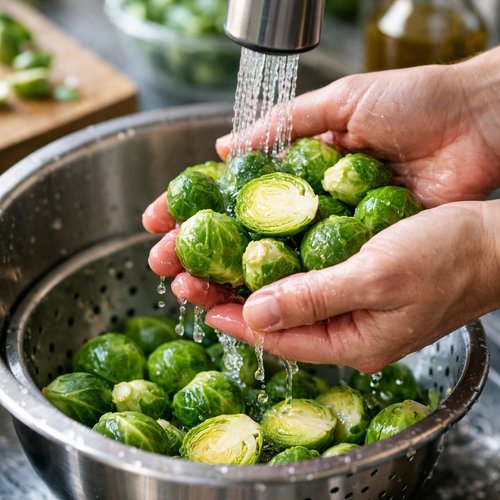
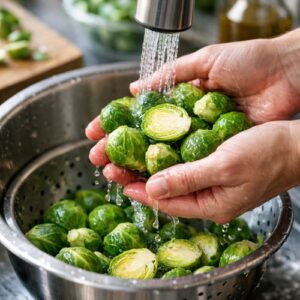
Start by preheating your oven to 350 degrees Fahrenheit. While it’s heating, prepare your brussels sprouts with care. Rinse them under cold running water and pat them completely dry with paper towels—moisture is the enemy of caramelization. Trim the stem ends and remove any yellowed or damaged outer leaves, then slice each sprout lengthwise into two halves.
Transfer your prepared brussels sprouts to a large mixing bowl. Add 2 tablespoons of extra virgin olive oil and ¾ teaspoon of kosher salt. Using your hands (this is the most efficient method), toss everything together until each cut surface glistens with oil and salt crystals cling evenly to the flesh. For vegan versions, ensure your olive oil is the only fat at this stage—this creates the proper caramelization without relying on animal fat.
Step 2: Roast Until Golden and Caramelized
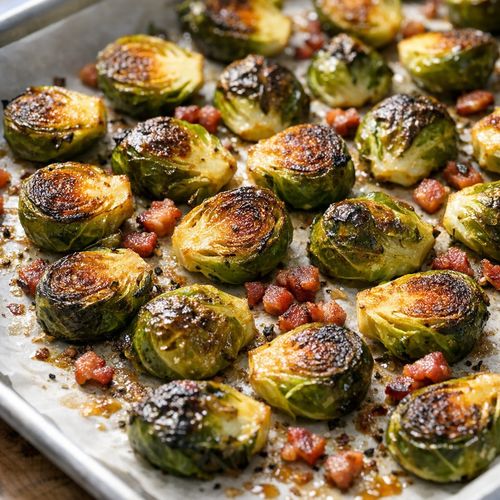
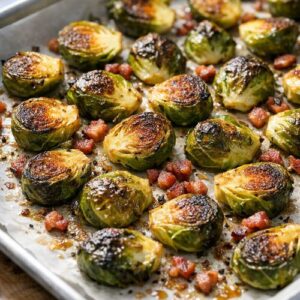
Line a sheet pan with parchment paper for easy cleanup and optimal browning. Arrange your brussels sprouts in a single layer, cut-side down. This positioning is crucial—it’s the cut surface that will develop those gorgeous, caramelized edges through direct contact with the hot pan surface. Don’t crowd the pan; they should touch but not overlap.
Roast for 20-25 minutes without stirring. About halfway through (around the 12-minute mark), use a sturdy spatula to flip each sprout to the opposite side. They’re ready when the cut side is deep golden-brown and a fork easily pierces the flesh. For all dietary versions, this step remains identical—the roasting process is diet-agnostic. Remove the pan from the oven and set the roasted brussels sprouts aside.
Step 3: Build Flavor in Your Skillet
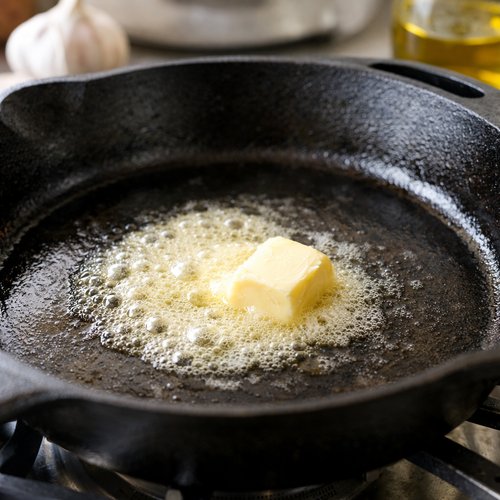
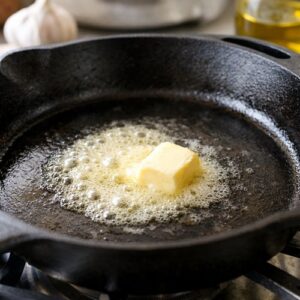
While your brussels sprouts roast, you’ll prep your flavor foundation. Place a large cast-iron skillet over medium heat. Add your chosen fat (butter, vegan butter, or ghee) and allow it to melt completely, about 1 minute. For keto enthusiasts, grass-fed butter adds additional fat-soluble vitamins and a richer taste. For vegan cooks, coconut oil provides a subtle sweetness that complements the caramelized brussels sprouts beautifully.
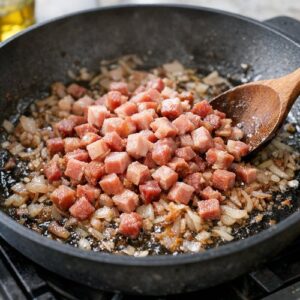
Once melted, add your diced shallots to the warm fat. Stir constantly for 2-3 minutes, allowing the shallots to soften and turn translucent. You’re not looking for browning here—gentle heat brings out their natural sweetness. This is aromatics 101: building a flavor base that will tie your entire dish together.
Step 4: Introduce Your Protein Element
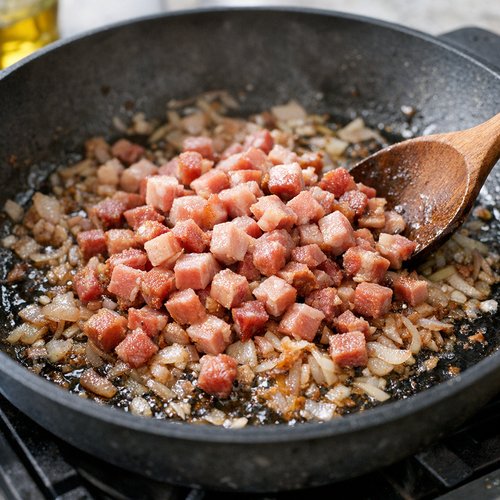
Add your pancetta (or your chosen substitute) to the skillet with the shallots. For traditional keto and gluten-free versions, use ¾ cup of diced pancetta. For vegan versions, use ¾ cup of smoked coconut bacon, which has been toasted in the oven and broken into bite-sized pieces. Stir constantly for 5 minutes, allowing the pancetta to release its rendered fat and become crispy, or allowing the coconut bacon to warm through and become fragrant.
This is where your kitchen will fill with that intoxicating aroma—the signal that everything is progressing beautifully. Add your minced lemon zest during the final minute of cooking to preserve its bright, volatile oils.
Step 5: Bring Everything Together
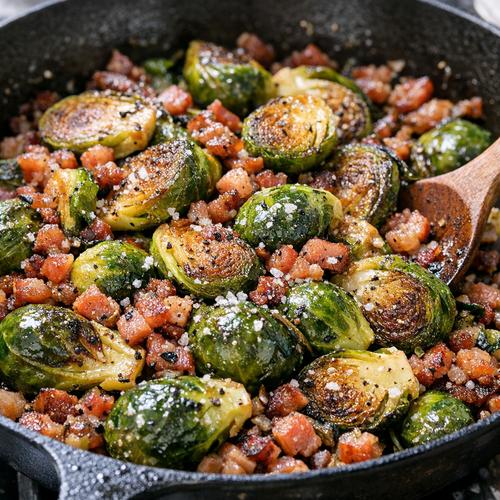
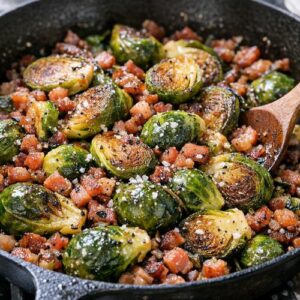
Return your roasted brussels sprouts to the skillet with the pancetta mixture. Add the remaining ¾ teaspoon of kosher salt, ½ teaspoon of freshly ground black pepper, and the optional ¼ teaspoon of red pepper flakes. Using a wooden spoon, gently fold everything together, ensuring each brussels sprout half gets coated with the rendered fat and flavorful bits.
At this moment, add the optional balsamic vinegar (1 tablespoon) and toss once more. This balsamic addition works across all dietary versions and adds a subtle sweetness that amplifies the caramelization you’ve already developed. Taste as you go—this is where you can adjust seasonings to your preference.
Step 6: Serve Immediately
Transfer your finished dish to a serving platter immediately. The brussels sprouts will continue to soften slightly as they cool, and the pancetta will continue to crisp. Serving warm ensures you get that textural contrast: caramelized exterior, tender interior, and crackling pancetta pieces throughout.
For all dietary versions, this recipe is best enjoyed fresh. While leftovers can be refrigerated and reheated, the textural contrast diminishes slightly with time.
Nutrition Comparison Across Versions
Understanding the nutritional profile of each version helps you make informed choices aligned with your health goals. I’ve based these calculations on USDA nutritional data and standard ingredient databases. All figures represent one serving (¼ of the total recipe).
- Standard Version (Keto-Friendly) – Calories: 285 | Fat: 22g | Protein: 8g | Net Carbs: 9g | Fiber: 2.5g. This version delivers excellent macros for ketogenic eating while providing substantial satiety from fat content.
- Vegan Version – Calories: 220 | Fat: 15g | Protein: 6g | Net Carbs: 12g | Fiber: 2.5g. The plant-based version runs slightly lower in calories due to coconut bacon’s lighter fat profile compared to pork pancetta. Pair with legumes or nuts to boost protein.
- Gluten-Free Version – Calories: 285 | Fat: 22g | Protein: 8g | Net Carbs: 9g | Fiber: 2.5g. This matches the standard version exactly when using certified gluten-free pancetta. The brussels sprouts themselves contain zero gluten naturally.
- Dairy-Free Version – Calories: 275 | Fat: 21g | Protein: 8g | Net Carbs: 9g | Fiber: 2.5g. Using ghee or avocado oil creates a nearly identical nutritional profile to the traditional version while eliminating dairy entirely.
One important nutritional note: brussels sprouts belong to the cruciferous vegetable family, containing sulforaphane and other glucosinolates—compounds with emerging research supporting anti-inflammatory and potential cancer-protective properties. The roasting process doesn’t diminish these compounds significantly.
How Each Version Tastes Different
I want to be honest about flavor and texture across versions—because transparency helps you choose the approach that’ll make you happiest.
The standard keto version tastes exactly as intended: rich, savory, with crispy pancetta that contrasts beautifully against the creamy interior of the roasted brussels sprouts. The lemon zest cuts through the richness with bright, citrus notes. This is the benchmark.
The vegan version tastes smokier and slightly sweeter due to the coconut bacon and coconut oil base. You lose the deep savory umami of pork pancetta, but you gain a subtle caramelized sweetness from the coconut. If you love smoked flavors, you might actually prefer this version. The coconut oil’s subtle sweetness amplifies the brussels sprouts’ natural caramelization. Pair it with something savory—perhaps chicken scampi—to balance the flavor profile.
The gluten-free version tastes identical to the standard version. The only variable is the pancetta brand you select; some cured pancetta varieties contain trace gluten in their seasoning blends, but quality producers don’t. Your flavor experience depends entirely on your pancetta source, not the recipe itself.
The dairy-free version using ghee tastes nearly identical to the standard version—ghee is essentially clarified butter with milk solids removed, retaining all the rich, nutty flavor notes. If you use avocado oil instead, expect a slightly cleaner, more neutral taste without the subtle butter flavor. Both work beautifully; it’s a texture and mouthfeel choice rather than a flavor difference.
Can I Store Brussels Sprouts and Pancetta Recipe?
Storage depends slightly on your dietary version, but the fundamental approach remains consistent.
Refrigerator Storage: Transfer cooled brussels sprouts to an airtight container and refrigerate for up to 3 days. All versions—keto, vegan, gluten-free, and dairy-free—store equally well. The brussels sprouts will soften slightly and the pancetta’s crispness will diminish, but the flavors continue to develop and meld beautifully.
Reheating Method: For best results, reheat in a 350-degree Fahrenheit oven for 8-10 minutes, or in a skillet over medium heat for 5-7 minutes. This gentler approach preserves more texture than microwave reheating, which can make the brussels sprouts mushy.
Freezer Storage: While technically freezable for up to 1 month, I don’t recommend it. The texture of roasted brussels sprouts—that delicate caramelization and tender interior—doesn’t survive freezing well. Instead, freeze the components separately: store raw brussels sprouts in the freezer and reheat raw pancetta in a skillet, then combine with thawed brussels sprouts.
Make-Ahead Tip: You can prep brussels sprouts hours ahead: wash, trim, halve, and store in the refrigerator. Toss with oil and salt just before roasting. This approach gives you the convenience of advance prep without texture loss.
Expert’s Nutritional Tip: Understanding Brussels Sprouts’ Hidden Power
As a registered dietitian, I get excited about cruciferous vegetables like brussels sprouts. They’re among the most nutrient-dense foods you can eat, delivering vitamin C (supporting immune function), vitamin K (essential for bone health), and folate (crucial for cellular function). But here’s what makes them special: the roasting process I’m having you use actually enhances their nutritional accessibility.
When you roast brussels sprouts at high heat until they caramelize, you’re using the Maillard reaction—a chemical process that creates new compounds and makes existing nutrients more bioavailable. That gorgeous golden-brown exterior isn’t just beautiful; it’s biochemistry working in your favor. The fat from the olive oil and pancetta (or vegan alternatives) also helps your body absorb fat-soluble vitamins like vitamin K, which wouldn’t be absorbed effectively without dietary fat.
This is why I never apologize for the fat content in this recipe—it’s doing essential nutritional work.
What to Serve With Brussels Sprouts and Pancetta Recipe?
This versatile side dish complements countless main courses. I’ve organized suggestions by dietary compatibility to make pairing effortless.
- Skillet-Seared Salmon with Garlic Lemon Butter Sauce – works beautifully with all versions, creating a restaurant-quality plate with minimal effort. The lemon in both dishes creates flavor harmony.
- Roasted chicken thighs – pair perfectly with all dietary versions. Dark meat chicken’s richness complements the caramelized brussels sprouts gorgeously.
- Herb-Grilled Steak – exceptional with keto and dairy-free versions; the savory notes align perfectly. For vegan versions, pair with marinated portobello mushrooms instead.
- Apple Vinaigrette – drizzle this over your brussels sprouts and a simple green salad for vegetarian versions. The apple’s sweetness echoes the caramelization beautifully.
- Simple grain bowls – for vegan versions, serve alongside quinoa or farro with roasted chickpeas and tahini dressing. The brussels sprouts provide textural contrast and roasted flavor depth.
- Holiday-worthy pairings – this dish elevates holiday menus across all dietary approaches, from traditional Thanksgiving spreads to modern plant-based celebrations.
Make-Ahead Guide
As someone who values both flavor and practicality, I’ve designed this recipe for strategic make-ahead preparation without compromising quality.
24 Hours Ahead: Prepare your brussels sprouts completely—wash, trim, and halve them. Store in an airtight container in the refrigerator. On cooking day, pat dry before oiling and roasting. This step eliminates the most time-consuming prep, leaving you with just 30 minutes of active cooking time.
4 Hours Ahead: Roast your brussels sprouts fully and allow them to cool to room temperature. Store in the refrigerator. When ready to serve, reheat in a 350-degree oven for 8-10 minutes while you prepare the pancetta and shallot mixture on the stovetop. This approach is ideal for entertaining—your roasting is complete before guests arrive.
Ingredient Prep: Dice your pancetta (or prepare your vegan alternative) and mince your shallots up to 6 hours ahead. Store pancetta in the refrigerator; store shallots in a small covered container. This prep eliminates the only truly time-sensitive element of the recipe.
Dairy-Free and Vegan Considerations: These versions benefit from the same make-ahead strategy. Ensure your coconut oil is at room temperature before cooking, as cold coconut oil can solidify and won’t melt smoothly into the shallots.
Common Mistakes to Avoid
Over my years in nutrition and cooking, I’ve observed patterns in where home cooks stumble with this recipe. Here’s how to sidestep these pitfalls.
Mistake #1: Skipping the Pat-Dry Step – Moisture is caramelization’s enemy. If your brussels sprouts are even slightly damp before roasting, steam escapes instead of developing that gorgeous golden crust. Pat them completely dry with paper towels before tossing with oil. This single step determines whether you get restaurant-quality results or steamed vegetables with brown spots.
Mistake #2: Crowding the Pan – Roasting requires space. When brussels sprouts touch each other on the pan, they steam rather than caramelize. Spread them in a single layer with some breathing room. If your pan is small, roast in batches rather than crowding.
Mistake #3: Not Seasoning the Oil Stage – Salt in the oil at the roasting stage seasons the brussels sprouts from the inside out. Many home cooks skip this and only salt at the end, creating unevenly seasoned results. Add salt to the oil before roasting.
Mistake #4: Using Low-Quality Pancetta or Substitutes – For vegan versions, the temptation to use standard coconut bacon (often high in added sugars) is real. Instead, make your own smoked coconut bacon or purchase from brands focusing on savory applications without sugar additions. The quality difference is noticeable and worth the extra effort.
Seasonal Variations
While brussels sprouts peak in fall through early spring, this recipe adapts beautifully across seasons with simple ingredient swaps.
Spring Variation: Replace half the brussels sprouts with spring asparagus spears cut into 2-inch pieces. Toss everything together at the same time—the asparagus requires the same roasting duration and will finish perfectly alongside the brussels sprouts. This variation works exceptionally well with vegan versions; pair with balsamic asparagus techniques for added depth. The lemon zest becomes even more essential here, brightening spring flavors.
Summer Variation: Brussels sprouts aren’t at their peak in summer, but green cabbage wedges are. Slice green cabbage into thick wedges and roast using the identical method. The cabbage becomes surprisingly sweet when caramelized and works beautifully with the pancetta. Some summer diners find this lighter than fall brussels sprouts—perfect for warm-weather entertaining.
Winter Variation: During peak brussels sprouts season, increase the batch size to 30-35 sprouts and double the pancetta. Winter entertaining demands substantial sides, and this dish can easily feed more people. Add fresh thyme to the shallot-pancetta mixture for deeper, herbaceous notes that feel appropriate for winter tables.
Year-Round Storage Variation: If using frozen brussels sprouts (perfectly acceptable November-March when fresh ones are abundant and affordable), thaw completely and pat extra-dry before roasting. Frozen versions require slightly less roasting time—approximately 18-22 minutes instead of 20-25—as freezing partially softens the vegetable.

Brussels Sprouts And Pancetta Recipe
Ingredients
Method
- Start by preheating your oven to 350 degrees Fahrenheit. While it's heating, prepare your brussels sprouts with care. Rinse them under cold running water and pat them completely dry with paper towels—moisture is the enemy of caramelization. Trim the stem ends and remove any yellowed or damaged outer leaves, then slice each sprout lengthwise into two halves. Transfer your prepared brussels sprouts to a large mixing bowl. Add 2 tablespoons of extra virgin olive oil and ¾ teaspoon of kosher salt. Using your hands (this is the most efficient method), toss everything together until each cut surface glistens with oil and salt crystals cling evenly to the flesh. For vegan versions, ensure your olive oil is the only fat at this stage—this creates the proper caramelization without relying on animal fat.
- Line a sheet pan with parchment paper for easy cleanup and optimal browning. Arrange your brussels sprouts in a single layer, cut-side down. This positioning is crucial—it's the cut surface that will develop those gorgeous, caramelized edges through direct contact with the hot pan surface. Don't crowd the pan; they should touch but not overlap. Roast for 20-25 minutes without stirring. About halfway through (around the 12-minute mark), use a sturdy spatula to flip each sprout to the opposite side. They're ready when the cut side is deep golden-brown and a fork easily pierces the flesh. For all dietary versions, this step remains identical—the roasting process is diet-agnostic. Remove the pan from the oven and set the roasted brussels sprouts aside.
- While your brussels sprouts roast, you'll prep your flavor foundation. Place a large cast-iron skillet over medium heat. Add your chosen fat (butter, vegan butter, or ghee) and allow it to melt completely, about 1 minute. For keto enthusiasts, grass-fed butter adds additional fat-soluble vitamins and a richer taste. For vegan cooks, coconut oil provides a subtle sweetness that complements the caramelized brussels sprouts beautifully. Once melted, add your diced shallots to the warm fat. Stir constantly for 2-3 minutes, allowing the shallots to soften and turn translucent. You're not looking for browning here—gentle heat brings out their natural sweetness. This is aromatics 101: building a flavor base that will tie your entire dish together.
- Add your pancetta (or your chosen substitute) to the skillet with the shallots. For traditional keto and gluten-free versions, use ¾ cup of diced pancetta. For vegan versions, use ¾ cup of smoked coconut bacon, which has been toasted in the oven and broken into bite-sized pieces. Stir constantly for 5 minutes, allowing the pancetta to release its rendered fat and become crispy, or allowing the coconut bacon to warm through and become fragrant. This is where your kitchen will fill with that intoxicating aroma—the signal that everything is progressing beautifully. Add your minced lemon zest during the final minute of cooking to preserve its bright, volatile oils.
- Return your roasted brussels sprouts to the skillet with the pancetta mixture. Add the remaining ¾ teaspoon of kosher salt, ½ teaspoon of freshly ground black pepper, and the optional ¼ teaspoon of red pepper flakes. Using a wooden spoon, gently fold everything together, ensuring each brussels sprout half gets coated with the rendered fat and flavorful bits. At this moment, add the optional balsamic vinegar (1 tablespoon) and toss once more. This balsamic addition works across all dietary versions and adds a subtle sweetness that amplifies the caramelization you've already developed. Taste as you go—this is where you can adjust seasonings to your preference.
- Transfer your finished dish to a serving platter immediately. The brussels sprouts will continue to soften slightly as they cool, and the pancetta will continue to crisp. Serving warm ensures you get that textural contrast: caramelized exterior, tender interior, and crackling pancetta pieces throughout. For all dietary versions, this recipe is best enjoyed fresh. While leftovers can be refrigerated and reheated, the textural contrast diminishes slightly with time.
FAQs
Can I make this recipe completely nut-free?
Yes—this recipe is naturally nut-free as written. The only consideration for truly nut-free diets is verifying that your pancetta hasn’t been processed in facilities handling nuts (standard practice with quality brands). If you’re using vegan coconut bacon, ensure it hasn’t been prepared in shared facilities. Most mainstream brands handle this transparently on packaging.
Is this recipe low-FODMAP for those with IBS?
Partially. Brussels sprouts contain fructans (a type of FODMAP), making them moderately high-FODMAP. However, the quantity in a typical serving (around 6-7 brussels sprouts) falls within tolerance for many IBS sufferers. Additionally, cooking—especially roasting—can reduce FODMAP content slightly. If you’re strictly low-FODMAP, this isn’t ideal, but if you have mild IBS sensitivity, monitor your individual tolerance.
What if I want to make this recipe spicier?
The ¼ teaspoon red pepper flakes in the recipe is subtle. To increase heat, add up to ½ teaspoon red pepper flakes—add them to the skillet with the pancetta rather than at the end, allowing their spiciness to distribute throughout. Alternatively, finish with fresh jalapeño slices or a drizzle of hot sauce, which works across all dietary versions.
Can I substitute different fats or oils?
For the roasting oil, stick with extra virgin olive oil for its flavor profile. However, for the butter component in the skillet, you have excellent options: ghee for dairy-free eating, vegan butter for plant-based cooking, or avocado oil for a neutral-flavored alternative. Coconut oil works for vegan versions but adds subtle sweetness some people prefer to avoid. Avoid refined vegetable oils entirely—they lack the flavor complexity this dish requires.
How do I know when brussels sprouts are perfectly caramelized?
Look for deep golden-brown coloring on the cut surface—not pale gold, but genuinely caramelized brown. The exterior should appear almost crispy. If you’re unsure, use a fork to pierce the flesh; it should yield easily without requiring pressure. When in doubt, roast an additional 2-3 minutes. Overcooked brussels sprouts are still delicious; undercooked ones won’t develop that essential flavor depth.
More Diet-Friendly Recipes
- Roasted Vegetables Recipe – explores other vegetables that respond beautifully to roasting, creating variety while maintaining the technique you’ve mastered here
- Skillet Seared Salmon with Garlic Lemon Butter Sauce – an elegant protein that pairs perfectly with your brussels sprouts for a complete, restaurant-quality meal
- Coleslaw Recipe – provides fresh, crisp textural contrast alongside roasted vegetables, offering another cruciferous vegetable preparation worth mastering
Final Thoughts
Your dietary approach—whether it’s keto, vegan, gluten-free, or dairy-free—doesn’t require you to abandon flavors, textures, or that sense of treating yourself to something special. This brussels sprouts and pancetta recipe proves that meaningful food transcends dietary restrictions. Standing in my grandmother’s kitchen all those years ago, I learned that the real magic isn’t in restriction or limitation. It’s in intention, quality ingredients, and technique applied with care.
Every version of this recipe delivers that same magic. Whether you’re eating for metabolic health, ethical values, allergies, or simply personal preference, you deserve meals that taste extraordinary. Happy cooking!