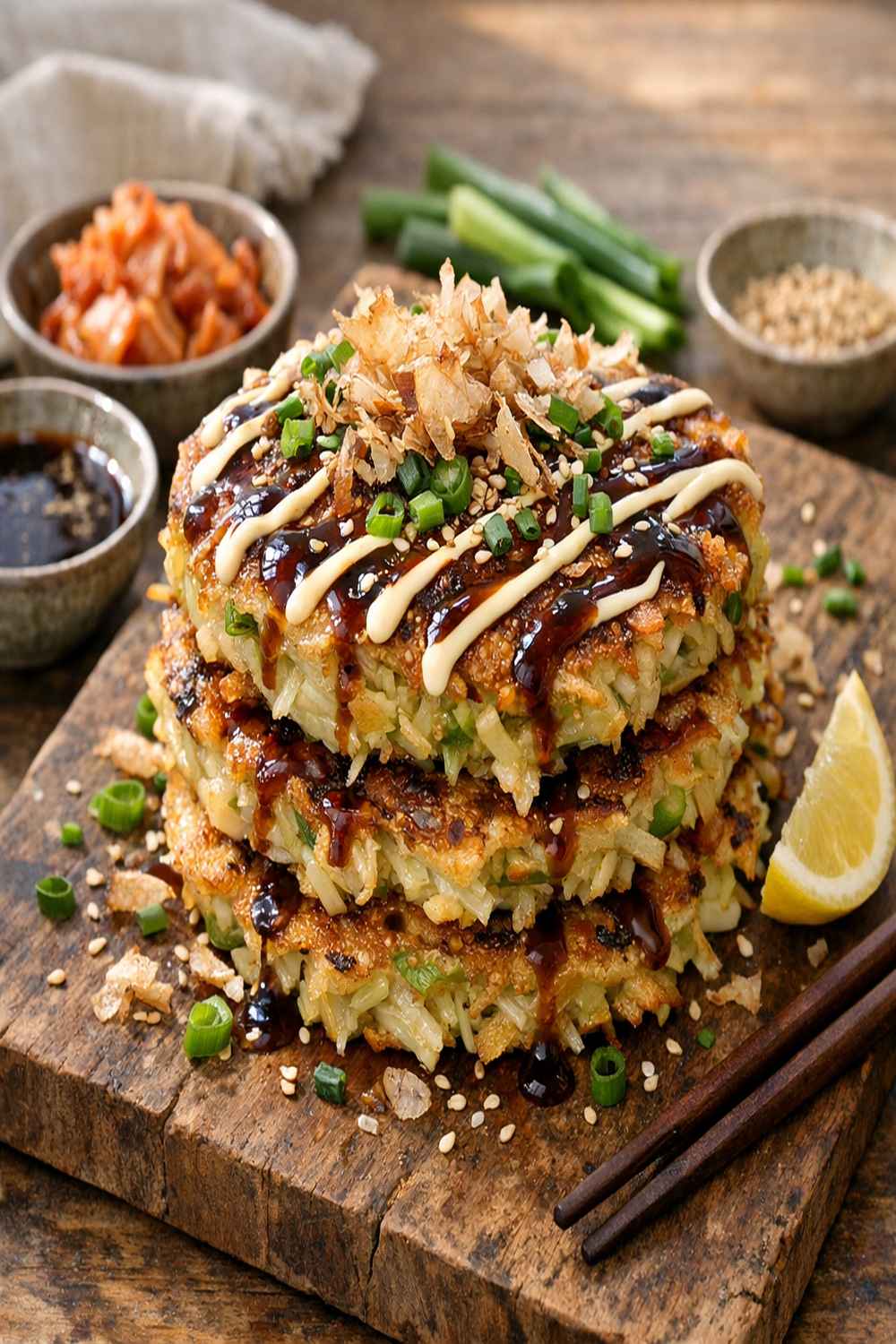

Ingredients
Method
Step 1: Prepare Your Vegetables With Purpose
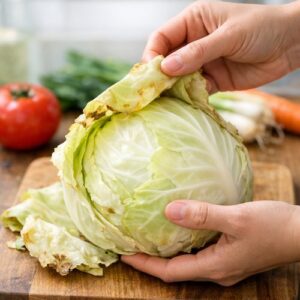
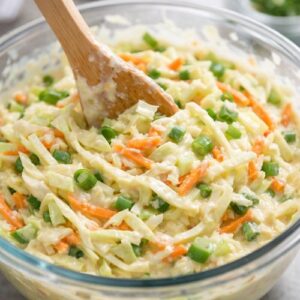
- Start by examining your cabbage carefully. Remove any outer leaves that look damaged or wilted—these aren't failures, they're just protective layers. Cut your cabbage into quarters and remove the dense core by angling your knife, creating a V-shaped cut that runs along both sides of the core. This takes practice, but it's worth learning because it makes shredding dramatically easier. Shred your cabbage using the largest holes on a box grater or a food processor fitted with the shredding blade. You want pieces that are thin enough to soften quickly but substantial enough to add texture. If you're using leftover shredded cabbage from coleslaw or a previous meal, this step is already complete—just measure out what you need. Peel your carrot with a vegetable peeler and shred it using the same large-holed grater. If your carrot is slightly soft or has lost some moisture, that's actually ideal—it means the sugars are more concentrated, and it will caramelize beautifully against the hot skillet. Slice your green onions, keeping the white and light green parts separate from the darker green tops. The lighter parts go into the batter; the darker tops become your garnish.
Step 2: Build Your Batter Foundation
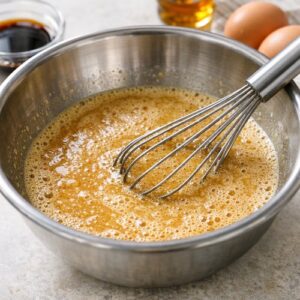
- In a large mixing bowl, whisk together your eggs, water, soy sauce, and toasted sesame oil until the mixture is smooth and completely combined. This step matters more than you might think. You're not just mixing ingredients; you're creating an emulsion. The eggs and oil are naturally reluctant partners, and whisking creates the stable base that will hold your vegetables suspended evenly throughout the batter. The soy sauce adds umami depth that makes people wonder what secret ingredient you've used. The sesame oil contributes a subtle nuttiness that elevates this from simple vegetable pancake to something distinctly Asian-inspired. Whisk until you see no streaks of oil floating on the surface—this takes about 1 minute of dedicated whisking.
Step 3: Create the Perfect Batter Consistency
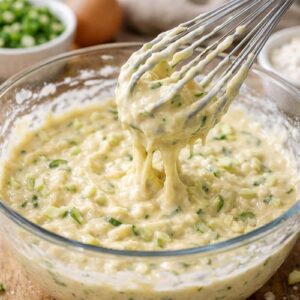
- Gradually whisk in your flour, adding ¼ cup at a time, until you've created a thick, smooth batter. This is where patience matters. If you dump in all the flour at once, you'll create lumps that never fully hydrate, and you'll end up with a textured batter instead of a smooth one. The target consistency is somewhere between pancake batter and waffle batter—thick enough to hold the vegetables in place but fluid enough to spread in the skillet. Most recipes call for ¾ to 1 cup total flour. The exact amount depends on how much moisture your vegetables released and how humid your kitchen is. Stop adding flour when you can stir the batter smoothly without lumps, and it flows like thick pudding. If you've added a full cup and it still seems thin, add flour by the tablespoon, whisking well between additions.
Step 4: Integrate Your Vegetables Evenly
- Add your shredded cabbage, grated carrot, and sliced green onions to the batter, stirring gently until everything is coated evenly in the batter mixture. This looks like you're making a vegetable pancake batter, because you are—but the technical term for what you're creating is a vegetable-studded quick bread batter. The flour creates structure; the eggs create binding; the vegetables provide nutrition and flavor. At this point, taste a tiny spoonful of the raw batter. This is your quality control moment. You should taste the umami of soy sauce, the nuttiness of sesame oil, and the sweetness of vegetables. If it seems flat, add ½ teaspoon more soy sauce. If it's too salty, this usually means you're tasting the salt from the soy sauce more than the vegetables—this will balance out when you cook. Trust the process.
Step 5: Achieve the Perfect Golden Crust
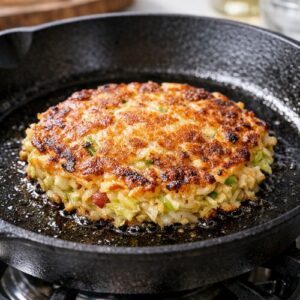
- Heat ½ tablespoon of neutral oil in a 10-inch nonstick or cast iron skillet over medium heat until you see a shimmer across the surface. A properly heated skillet is crucial. If the oil isn't hot enough, your pancakes will absorb oil and become greasy instead of crispy. If it's too hot, the exterior will brown before the interior cooks through. Add ¾ cup of the vegetable-batter mixture to the center of your skillet and use a spatula to press it gently into a circle approximately 6 inches in diameter and ½ inch thick. This isn't aggressive pressing—you're just distributing the batter evenly. Immediately cover the skillet with a lid (a baking sheet works beautifully if you don't have a lid) to trap steam. That steam is where the magic happens. It's what softens the cabbage quickly while the bottom develops a golden crust. Cook for 3 to 5 minutes, checking after 3 minutes to see if the bottom is golden brown. The bottom should release easily from the skillet when it's ready to flip. Flip gently and cook the second side for 2 to 3 minutes until it's equally golden. This side will cook faster because the bottom is already hot.
Step 6: Keep Pancakes Warm and Make Your Sauce
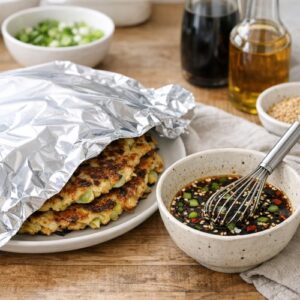
- Transfer each finished pancake to a plate and cover loosely with aluminum foil to keep warm. You'll typically have enough batter for 4 to 5 pancakes depending on their size. Add an additional ½ tablespoon of oil to the skillet before cooking each new pancake. The oil will continue to cook off and be absorbed, so you need to replenish it each time. While the pancakes cook, combine your mayonnaise and sriracha in a small bowl, whisking until completely smooth. Taste and adjust—if you prefer less heat, use less sriracha. If you want more punch, add another tablespoon. The sriracha-mayonnaise sauce is your finishing element, and it should reflect your personal heat preferences.
Step 7: Finish With Intention
- Drizzle the sriracha-mayonnaise generously over each pancake just before serving. Sprinkle with sesame seeds—white, black, or a combination—and garnish with the reserved dark green tops of the green onions. This isn't just decoration; these garnishes add textural contrast, visual appeal, and a burst of fresh flavor that bridges the gap between the cooked vegetables and your palate. Serve immediately while the pancakes are still warm and crispy.