Cabbage Pancake Recipe

This post contains affiliate links. As an Amazon Associate I earn from qualifying purchases.
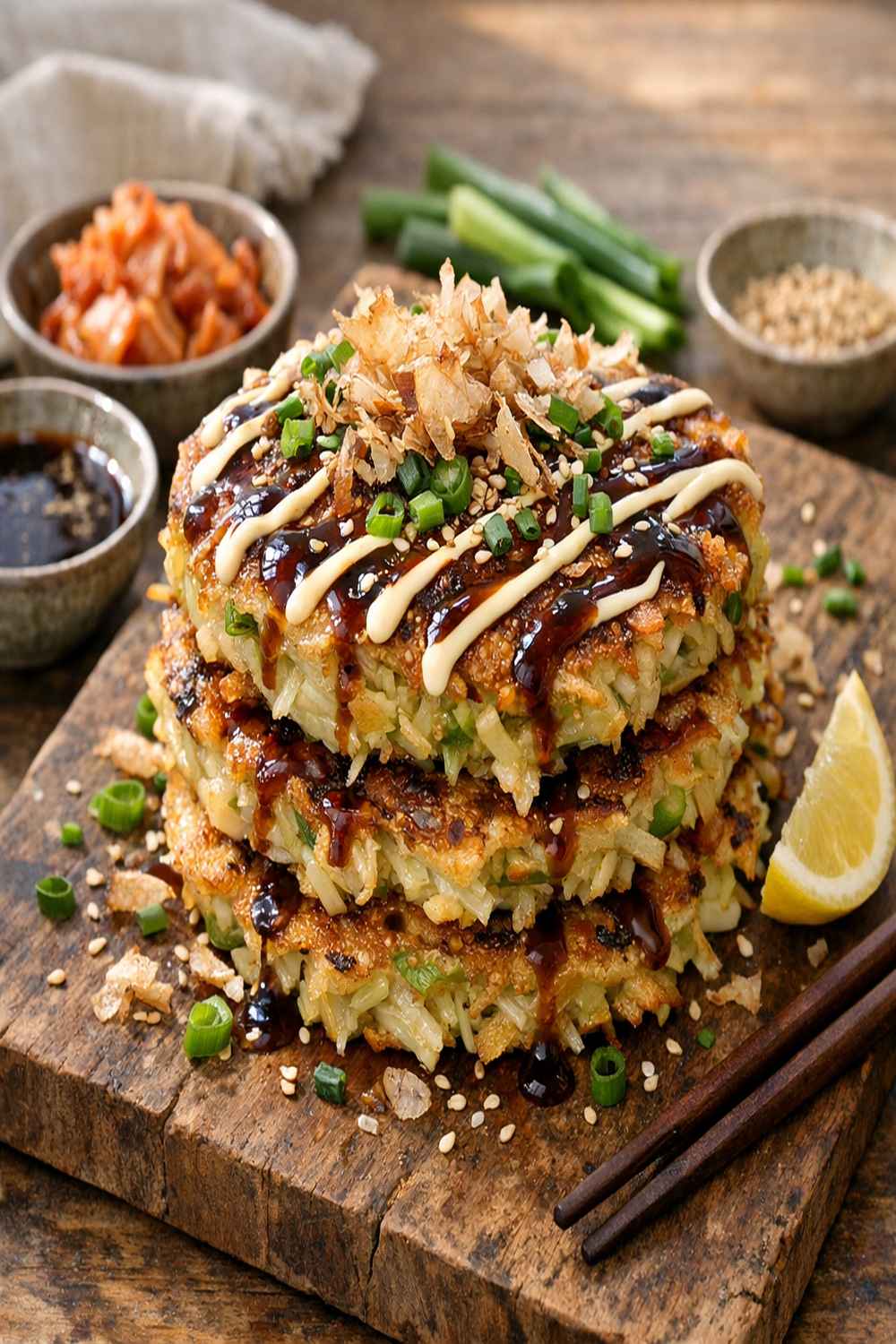
Before you toss those wilting vegetables into the compost bin, pause for a moment. I learned long ago in my grandmother’s kitchen that some of the most magical dishes emerge from the simple act of resourcefulness. This cabbage pancake recipe was born from exactly that moment—when I found myself staring at a half-used head of cabbage, a lonely carrot, and green onions that had seen better days. What I created that evening transformed my understanding of leftover cooking forever.
As a registered dietitian, I’ve spent years helping families bridge the gap between restaurant-quality meals and what’s actually sitting in their refrigerator. These crispy, golden pancakes are the perfect example of that philosophy. They’re not just a way to use what you have—they’re genuinely better than many of the versions I’ve enjoyed in Pittsburgh’s best restaurants. The combination of umami-rich soy sauce, nutty sesame oil, and fresh vegetables creates something that tastes intentional, elegant, and somehow celebratory. That’s the real magic of leftover transformation.
How to Turn Last Night’s Vegetables Into Cabbage Pancakes (Better Than Restaurant Versions)
The story of these pancakes goes back to my early days as a dietitian, when I was determined to prove that healthy eating didn’t require elaborate shopping trips or complicated techniques. One Tuesday evening, I was helping a client plan her week when she mentioned her frustration with vegetable waste. She’d buy fresh produce with the best intentions, life would get busy, and by Friday, half of it would be unusable.
I went home that night and looked at my own refrigerator with fresh eyes. What I saw wasn’t waste—I saw possibility. The cabbage was still crisp enough to shred beautifully. The carrot had perfect texture. Those green onions, even slightly wilted, would add brightness and flavor. Within an hour, I’d developed this recipe, and my husband declared them the best thing I’d made in months. Since then, these pancakes have become my go-to strategy for preventing food waste while creating dinners that feel special.
What makes this transformation work so beautifully is understanding that leftover vegetables aren’t diminished ingredients—they’re concentrated in flavor. The slightly older cabbage has developed more complex notes. The carrot’s sweetness intensifies. You’re not salvaging these ingredients; you’re elevating them through technique.
What Leftovers Work Best
Not all leftovers are created equal when it comes to pancake creation. I’ve learned through years of experimentation which vegetables transform beautifully and which ones should find different homes in your kitchen. The key is understanding texture, moisture content, and flavor stability.
- Shredded cabbage (fresh or lightly wilted) – This is your foundation. Cabbage holds its structure beautifully and becomes wonderfully tender when cooked into the batter. Even cabbage that’s been in your crisper drawer for a week works perfectly because the slightly drier texture means less excess moisture in your batter.
- Carrots (raw or cooked) – Raw carrots add sweetness and crunch, while cooked carrots from a previous meal integrate seamlessly into the batter. I love the way their natural sugars caramelize against the hot skillet.
- Green onions (fresh or very lightly wilted) – These add brightness and a subtle onion flavor that balances the earthiness of cabbage. Even green onions that have started to fade will work beautifully here.
- Cooked broccoli or cauliflower florets (chopped) – These add textural interest and additional nutrients. Roughly chop them so they integrate into the batter rather than creating hard chunks.
- Bell peppers (any color, raw or cooked) – Their sweetness complements cabbage wonderfully. Dice them finely so they cook through quickly.
- Mushrooms (sautéed) – Avoid raw mushrooms in this recipe, but cooked mushrooms from the night before add umami depth. Chop them finely.
- Avoid: Leafy greens or soft herbs – Spinach, arugula, and fresh herbs will become bitter or mushy when cooked into the batter. Save these for a fresh side salad alongside your pancakes instead.
- Avoid: Heavily dressed vegetables – If your leftover vegetables are swimming in oil or sauce, pat them dry first. Too much liquid will make your batter soggy.
The Transformation Pantry: What to Keep on Hand
Here’s what I always keep stocked in my kitchen because these are the ingredients that turn random leftovers into intentional meals. I call these my “bridge ingredients”—they’re the connectors that transform ordinary vegetables into something extraordinary. When you have these staples on hand, you’re never more than 20 minutes away from a restaurant-quality dinner.
The beauty of this approach is that these are versatile ingredients that serve multiple purposes in your kitchen. The soy sauce and sesame oil aren’t special purchases for this one recipe—they’re foundations for Asian-inspired cooking throughout your week. The eggs and flour are pantry basics. The sriracha can top scrambled eggs, season roasted vegetables, or add heat to soups. This isn’t about accumulating specialty ingredients; it’s about understanding what you already have and how to leverage it creatively.
The Ingredients
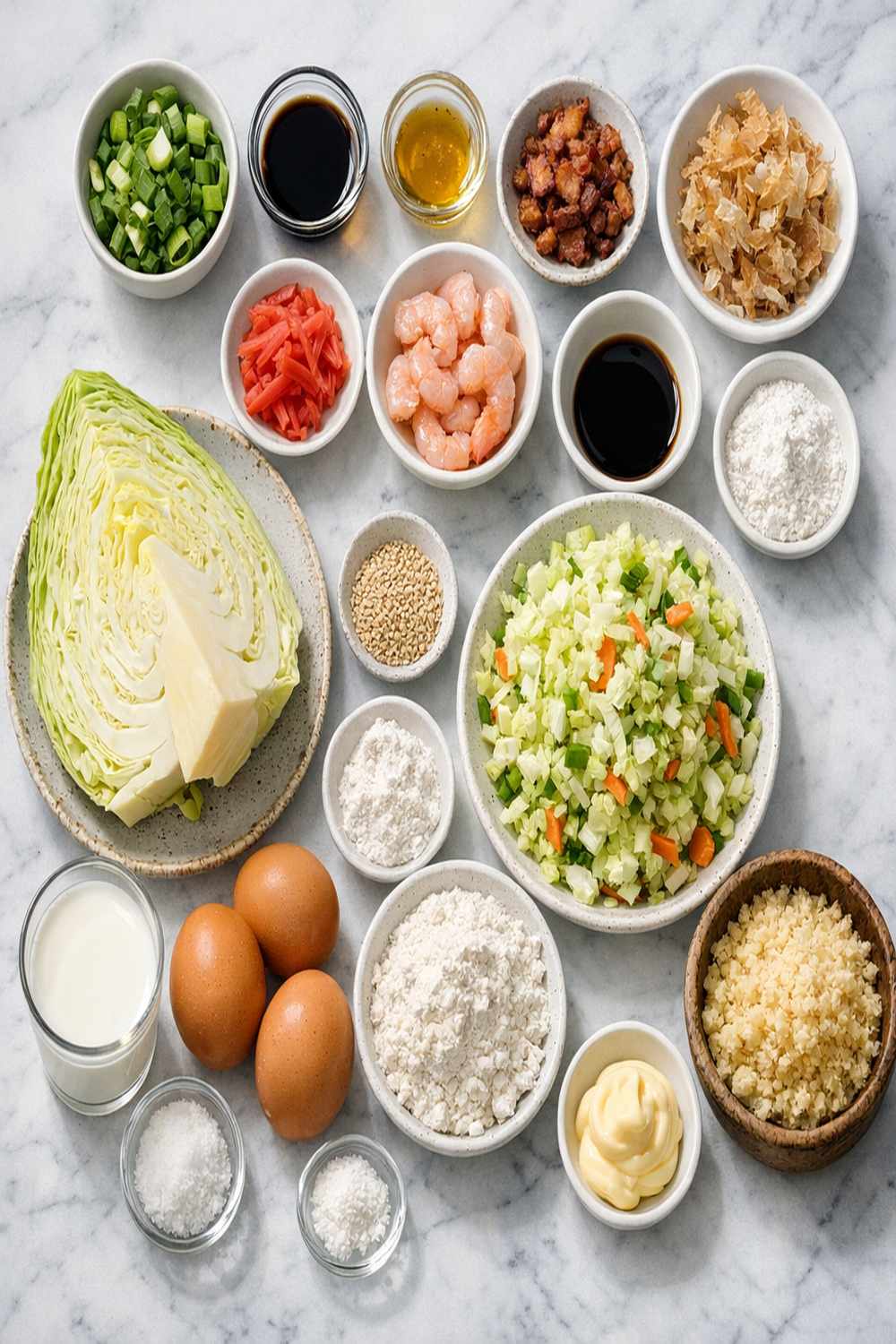
What follows is a complete ingredient list that reads like a celebration of resourcefulness. You’ll notice I’ve included notes about whether each ingredient should be fresh or if leftovers work beautifully. This recipe makes approximately 4 to 5 pancakes, serving 2 to 3 people as a main course or 4 people as part of a larger meal. The ingredient cost comes to just over $4 total—remarkable value for such an elegant dinner.
- ¾ to 1 cup all-purpose flour (spooned and leveled, never packed into the measuring cup)
- 2 extra large eggs (room temperature, or at least not straight from the refrigerator)
- 2 green onions (the dark green tops reserved specifically for garnish)
- 1½ tablespoons soy sauce (low-sodium works beautifully and gives you more control over salt)
- ½ tablespoon sesame seeds (white, black, or a combination)
- 2 tablespoons sriracha (adjust based on your heat preference)
- 2 tablespoons neutral oil for frying (vegetable, canola, or light olive oil)
- 1 medium carrot (peeled and shredded using the large holes of a box grater)
- ¼ cup mayonnaise (full-fat creates the best texture for the sriracha sauce)
- 4 to 5 cups shredded green cabbage (fresh or lightly wilted, tightly packed)
- ½ cup water (filtered or tap, used to thin the batter)
- 3 to 4 green onions (white and light green parts sliced, darker green reserved for garnish)
- 1 tablespoon toasted sesame oil (the dark variety with visible specks, never regular sesame oil)
The Transformation: How to Make Cabbage Pancakes From Leftovers
Now comes the alchemy—that beautiful process of turning yesterday’s vegetables into something that tastes like you’ve spent hours in the kitchen. This recipe isn’t difficult, but it does require attention to detail and an understanding of how each step builds on the previous one. You’re not just combining ingredients; you’re creating structure, developing flavor, and achieving the perfect texture that makes people ask for your recipe.
Step 1: Prepare Your Vegetables With Purpose
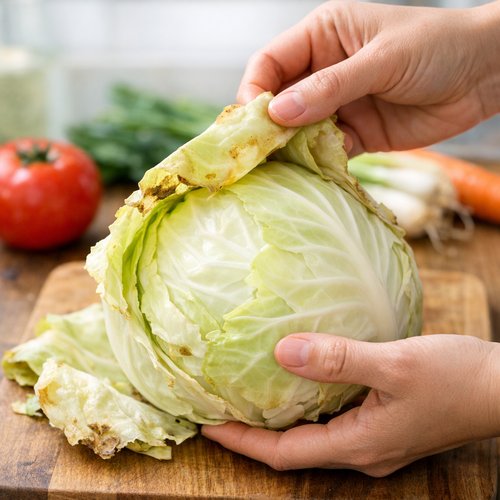
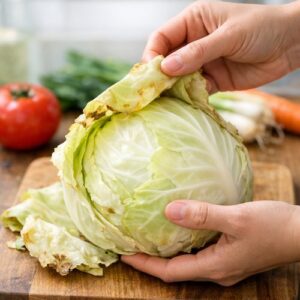
Start by examining your cabbage carefully. Remove any outer leaves that look damaged or wilted—these aren’t failures, they’re just protective layers. Cut your cabbage into quarters and remove the dense core by angling your knife, creating a V-shaped cut that runs along both sides of the core. This takes practice, but it’s worth learning because it makes shredding dramatically easier.
Shred your cabbage using the largest holes on a box grater or a food processor fitted with the shredding blade. You want pieces that are thin enough to soften quickly but substantial enough to add texture. If you’re using leftover shredded cabbage from coleslaw or a previous meal, this step is already complete—just measure out what you need.
Peel your carrot with a vegetable peeler and shred it using the same large-holed grater. If your carrot is slightly soft or has lost some moisture, that’s actually ideal—it means the sugars are more concentrated, and it will caramelize beautifully against the hot skillet. Slice your green onions, keeping the white and light green parts separate from the darker green tops. The lighter parts go into the batter; the darker tops become your garnish.
Step 2: Build Your Batter Foundation
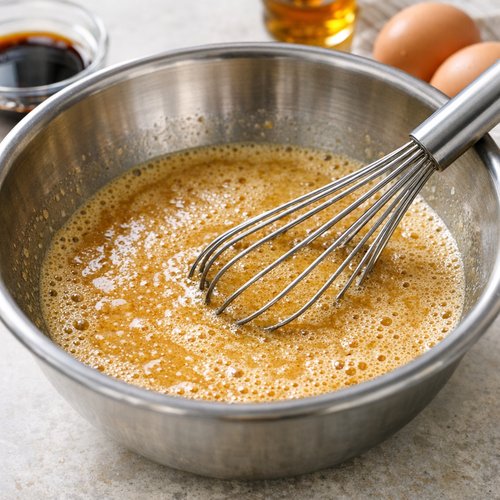
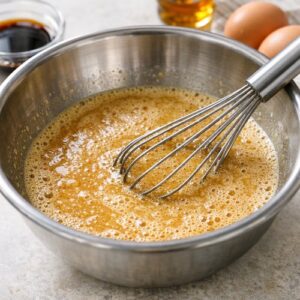
In a large mixing bowl, whisk together your eggs, water, soy sauce, and toasted sesame oil until the mixture is smooth and completely combined. This step matters more than you might think. You’re not just mixing ingredients; you’re creating an emulsion. The eggs and oil are naturally reluctant partners, and whisking creates the stable base that will hold your vegetables suspended evenly throughout the batter.
The soy sauce adds umami depth that makes people wonder what secret ingredient you’ve used. The sesame oil contributes a subtle nuttiness that elevates this from simple vegetable pancake to something distinctly Asian-inspired. Whisk until you see no streaks of oil floating on the surface—this takes about 1 minute of dedicated whisking.
Step 3: Create the Perfect Batter Consistency
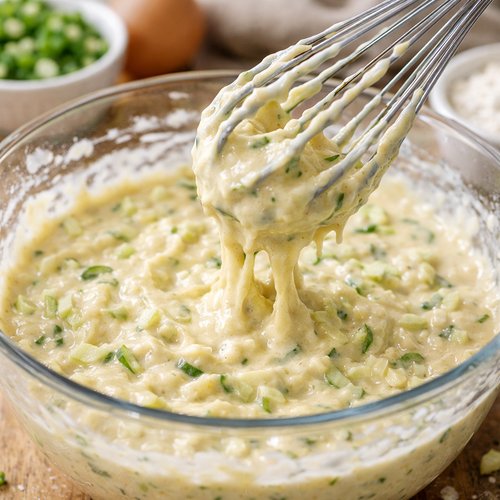
Gradually whisk in your flour, adding ¼ cup at a time, until you’ve created a thick, smooth batter. This is where patience matters. If you dump in all the flour at once, you’ll create lumps that never fully hydrate, and you’ll end up with a textured batter instead of a smooth one. The target consistency is somewhere between pancake batter and waffle batter—thick enough to hold the vegetables in place but fluid enough to spread in the skillet.
Most recipes call for ¾ to 1 cup total flour. The exact amount depends on how much moisture your vegetables released and how humid your kitchen is. Stop adding flour when you can stir the batter smoothly without lumps, and it flows like thick pudding. If you’ve added a full cup and it still seems thin, add flour by the tablespoon, whisking well between additions.
Step 4: Integrate Your Vegetables Evenly
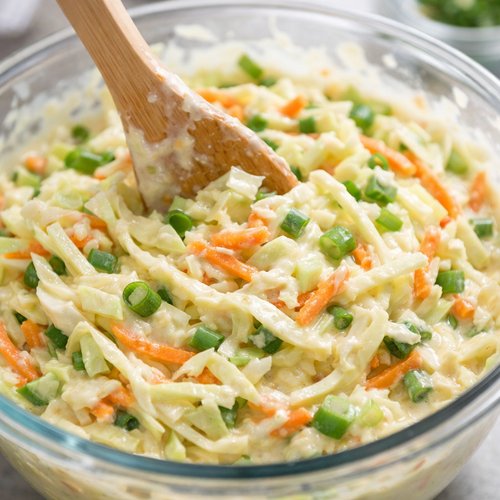
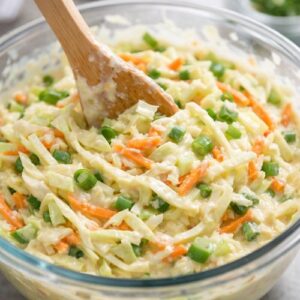
Add your shredded cabbage, grated carrot, and sliced green onions to the batter, stirring gently until everything is coated evenly in the batter mixture. This looks like you’re making a vegetable pancake batter, because you are—but the technical term for what you’re creating is a vegetable-studded quick bread batter. The flour creates structure; the eggs create binding; the vegetables provide nutrition and flavor.
At this point, taste a tiny spoonful of the raw batter. This is your quality control moment. You should taste the umami of soy sauce, the nuttiness of sesame oil, and the sweetness of vegetables. If it seems flat, add ½ teaspoon more soy sauce. If it’s too salty, this usually means you’re tasting the salt from the soy sauce more than the vegetables—this will balance out when you cook. Trust the process.
Step 5: Achieve the Perfect Golden Crust
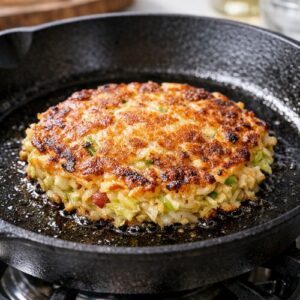
Heat ½ tablespoon of neutral oil in a 10-inch nonstick or cast iron skillet over medium heat until you see a shimmer across the surface. A properly heated skillet is crucial. If the oil isn’t hot enough, your pancakes will absorb oil and become greasy instead of crispy. If it’s too hot, the exterior will brown before the interior cooks through.
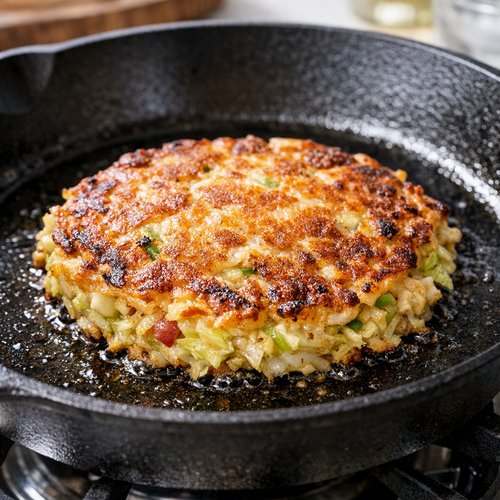
Add ¾ cup of the vegetable-batter mixture to the center of your skillet and use a spatula to press it gently into a circle approximately 6 inches in diameter and ½ inch thick. This isn’t aggressive pressing—you’re just distributing the batter evenly. Immediately cover the skillet with a lid (a baking sheet works beautifully if you don’t have a lid) to trap steam.
That steam is where the magic happens. It’s what softens the cabbage quickly while the bottom develops a golden crust. Cook for 3 to 5 minutes, checking after 3 minutes to see if the bottom is golden brown. The bottom should release easily from the skillet when it’s ready to flip. Flip gently and cook the second side for 2 to 3 minutes until it’s equally golden. This side will cook faster because the bottom is already hot.
Step 6: Keep Pancakes Warm and Make Your Sauce
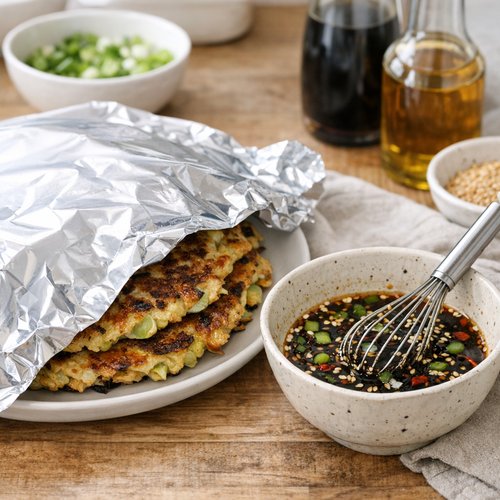
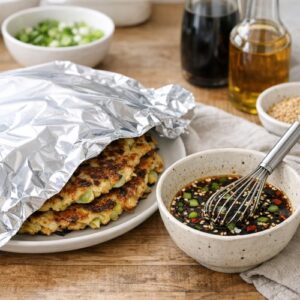
Transfer each finished pancake to a plate and cover loosely with aluminum foil to keep warm. You’ll typically have enough batter for 4 to 5 pancakes depending on their size. Add an additional ½ tablespoon of oil to the skillet before cooking each new pancake. The oil will continue to cook off and be absorbed, so you need to replenish it each time.
While the pancakes cook, combine your mayonnaise and sriracha in a small bowl, whisking until completely smooth. Taste and adjust—if you prefer less heat, use less sriracha. If you want more punch, add another tablespoon. The sriracha-mayonnaise sauce is your finishing element, and it should reflect your personal heat preferences.
Step 7: Finish With Intention
Drizzle the sriracha-mayonnaise generously over each pancake just before serving. Sprinkle with sesame seeds—white, black, or a combination—and garnish with the reserved dark green tops of the green onions. This isn’t just decoration; these garnishes add textural contrast, visual appeal, and a burst of fresh flavor that bridges the gap between the cooked vegetables and your palate. Serve immediately while the pancakes are still warm and crispy.
How to Adapt Based on What You Have
- If you have leftover cooked rice – Replace ¼ cup of the flour with cooked rice. This creates a slightly crisper exterior and adds interesting texture.
- If you don’t have sesame oil – Use 1 tablespoon of neutral oil mixed with ½ teaspoon of sesame seeds ground into a paste, or simply use 1 additional tablespoon of soy sauce for depth.
- If your vegetables are very moist – Spread them on a clean kitchen towel and let them sit for 10 minutes while you prepare the batter. Pat dry before adding to the batter to prevent excess moisture.
- If you prefer less spice – Use 1 tablespoon of sriracha instead of 2, or replace it entirely with a squeeze of fresh lime juice mixed into the mayonnaise.
- If you have ginger or garlic – Add 1 teaspoon of minced fresh ginger or ½ teaspoon of minced garlic to your batter for additional complexity.
- If you don’t have sriracha mayo – A simple combination of mayonnaise with soy sauce, lime juice, and a dash of hot sauce works beautifully.
Expert’s Nutritional Insight: Why This Recipe Is Smarter Than It Tastes
As a registered dietitian, I’m always looking for meals that taste indulgent while delivering genuine nutrition. These cabbage pancakes are a masterclass in that approach. The cabbage is a cruciferous vegetable, meaning it contains compounds like sulforaphane that research has linked to cellular health. When you cook cabbage, you’re actually making some of these compounds more bioavailable.
The egg provides complete protein with all nine essential amino acids, plus choline for brain health. The toasted sesame oil contributes lignans, which act as antioxidants in your body. The carrot provides beta-carotene, which your body converts to vitamin A. What tastes like indulgence—crispy pancakes with creamy sriracha sauce—is actually a nutrient-dense meal that will keep you satisfied for hours.
The soy sauce does add sodium, but at 1½ tablespoons for the entire recipe (divided among 4-5 pancakes), the per-serving sodium is reasonable, especially when you consider the umami satisfaction it creates. You’ll naturally eat less when food tastes this good.
Zero Waste: Using Every Last Bit
This is where my grandmother’s kitchen wisdom meets modern sustainability. In her kitchen, nothing was wasted, not because it was trendy but because resources were precious. I carry that philosophy forward.
Those outer cabbage leaves you removed? If they’re still crisp, slice them thinly and add them to your batter. If they’re wilted, simmer them in broth for a quick vegetable stock. The carrot peelings can go into a vegetable scrap bag in your freezer—collect them until you have enough to simmer into a light stock for soup. Any batter that clings to your bowl can be thinned with water and cooked as ultra-thin pancake crepes, perfect for wrapping around leftovers.
The green onion roots that you might normally discard? If they still have roots attached, place them in a small glass of water on a sunny windowsill, and within a week you’ll have fresh green onions growing. This isn’t complicated gardening; it’s just biology. This cycle transforms “throwing things away” into “growing more food,” and it’s something I’ve done since my grandmother showed me as a child.
Can I Store Cabbage Pancakes?
Yes, and this is where these pancakes become a legitimate meal-prep strategy. Cooked pancakes will keep in an airtight container in the refrigerator for up to 4 days. They’re actually wonderful cold or at room temperature, making them perfect for lunch boxes or quick breakfasts.
To reheat, place pancakes on a baking sheet and warm in a 350°F oven for about 8 minutes until heated through. You can also reheat them in a skillet over medium heat for 2 to 3 minutes per side. This refreshes the exterior to something approaching the original crispness.
Do not store pancakes with the sriracha sauce already drizzled on top. Make the sauce fresh, or store it separately and apply just before serving. Cooked pancakes can also be frozen for up to 2 months in a freezer-safe container, separated by parchment paper. Thaw in the refrigerator overnight before reheating.
Raw batter can be refrigerated in an airtight container for up to 2 days, though I recommend cooking it within 8 hours for best results. The longer it sits, the more the vegetables release moisture, which can make your batter too thin.
Make-Ahead Guide: Meal Prep Strategy
Here’s how I prepare these pancakes for a busy week. On Sunday evening, I prep all vegetables—shredding cabbage, grating carrots, slicing green onions. I store each component in its own airtight container. This step takes about 15 minutes and dramatically simplifies weeknight cooking.
The batter can be made through step 3 (adding flour) the night before and refrigerated in an airtight container. The next day, gently fold in your vegetables and cook immediately. The flour will have absorbed some moisture, so you might need to add a tablespoon of water to reach the right consistency.
I often cook all the pancakes on Sunday evening, cool them completely on a wire rack, then store them in the refrigerator. Throughout the week, I pull out one or two, reheat them, and make fresh sauce just before serving. This takes the cooking time down to 5 minutes on busy nights.
Another strategy I love: cook the pancakes, let them cool, then freeze them between parchment paper. This way, on nights when dinner planning didn’t happen, I can reheat one or two pancakes straight from frozen (add about 2 minutes to the reheating time) and have an elegant meal on the table in 10 minutes.
Common Mistakes to Avoid
Mistake 1: Not heating the skillet adequately. A cold or barely warm skillet will cause your pancakes to absorb oil and become greasy instead of crispy. The oil should shimmer visibly before you add your batter. If you’re unsure, flick a water droplet onto the surface—it should sizzle immediately.
Mistake 2: Packing the flour into the measuring cup. This is the most common baking error, and it completely changes your batter-to-vegetable ratio. Spoon flour into your measuring cup and level it with the back of a knife. Packed flour creates a dense, heavy pancake instead of a light, tender one.
Mistake 3: Skipping the lid during cooking. Yes, steam feels counterintuitive when you’re trying to create crispness. But that trapped steam is what softens the cabbage while the heat browns the bottom. Without the lid, you’ll end up with a crispy exterior but raw vegetables inside. Use the lid for the first 3 to 5 minutes, then remove it for the final minute of cooking if you want additional crisping.
Mistake 4: Not adjusting seasonings based on the vegetables you’re using. If your vegetables are very fresh and mild, you might want to increase the soy sauce slightly. If they’re from the back of your refrigerator and more concentrated in flavor, you might want to decrease it. Always taste your raw batter and adjust before cooking.
Seasonal Variations: Adapting Throughout the Year
Spring: Add fresh peas (thawed if frozen), tender asparagus (chopped finely), and more green onions. Use white miso paste instead of some of the soy sauce for a brighter, less salty flavor. Finish with fresh herbs like chives or cilantro.
Summer: Include shredded summer squash, fresh corn kernels, and red bell peppers. Add a touch of lime juice to the batter. Serve alongside fresh salad greens with a light ginger dressing. Consider adding Apple Cranberry Almond Coleslaw as a bright side dish.
Fall: Use purple or red cabbage for deeper color. Add shredded beets for earthiness and natural sweetness. Incorporate roasted garlic and sage. Finish with toasted walnuts instead of sesame seeds.
Winter: Use storage cabbage (which has a longer shelf life and keeps longer in your crisper). Add shredded root vegetables like parsnips or turnips. Incorporate dried mushrooms that have been rehydrated. Serve with a warming soup like this cozy soup as a heartier meal.
Nutrition Information
Per pancake (based on 4 pancakes per batch, without sauce): approximately 180 calories, 8g protein, 18g carbohydrates, 8g fat, 3g fiber, and 340mg sodium. These numbers come from USDA nutrient databases for the individual ingredients.
When you add the sriracha-mayonnaise sauce (approximately 3 tablespoons per pancake), you’re adding roughly 90 additional calories and 9g fat. The total per pancake with sauce comes to approximately 270 calories, 8g protein, 18g carbohydrates, 17g fat, 3g fiber.
What I love about these numbers is how complete they are. You’re getting protein from the eggs and small amounts from the vegetables. You’re getting fiber from the cabbage and carrot. You’re getting healthy fats from the sesame oil and eggs. This isn’t a low-calorie meal; it’s a nutrient-dense meal that delivers satisfaction and sustained energy. You’ll feel full for hours, which means you’re less likely to snack mindlessly afterward.
What to Serve With Cabbage Pancakes?
These pancakes are substantial enough to serve as a main course, but they shine when accompanied by fresh, contrasting sides. The richness of the sriracha sauce and crispy exterior benefit from bright, fresh elements that cleanse your palate.
- Simple cucumber salad with rice vinegar and sesame seeds – The acidity and crispness create beautiful contrast with the rich, umami-forward pancakes.
- Steamed or quick-pickled vegetables – Daikon radish, carrots, or green onions pickled in rice vinegar and sugar provide brightness and textural interest.
- Chilled edamame with sea salt – Simple, protein-rich, and refreshing alongside the warm pancakes.
- Mixed greens with lime-ginger vinaigrette – Fresh greens provide contrast and help balance the richness. This also works beautifully with Lettuce Wraps if you want to expand your meal into multiple courses.
- Fresh fruit like mango, pineapple, or citrus – The sweetness and acidity complement the savory pancakes beautifully.
- Kimchi or other fermented vegetables – If you love bold flavors, fermented vegetables add complexity and beneficial probiotics.

Cabbage Pancake Recipe
Ingredients
Method
- Start by examining your cabbage carefully. Remove any outer leaves that look damaged or wilted—these aren't failures, they're just protective layers. Cut your cabbage into quarters and remove the dense core by angling your knife, creating a V-shaped cut that runs along both sides of the core. This takes practice, but it's worth learning because it makes shredding dramatically easier. Shred your cabbage using the largest holes on a box grater or a food processor fitted with the shredding blade. You want pieces that are thin enough to soften quickly but substantial enough to add texture. If you're using leftover shredded cabbage from coleslaw or a previous meal, this step is already complete—just measure out what you need. Peel your carrot with a vegetable peeler and shred it using the same large-holed grater. If your carrot is slightly soft or has lost some moisture, that's actually ideal—it means the sugars are more concentrated, and it will caramelize beautifully against the hot skillet. Slice your green onions, keeping the white and light green parts separate from the darker green tops. The lighter parts go into the batter; the darker tops become your garnish.
- In a large mixing bowl, whisk together your eggs, water, soy sauce, and toasted sesame oil until the mixture is smooth and completely combined. This step matters more than you might think. You're not just mixing ingredients; you're creating an emulsion. The eggs and oil are naturally reluctant partners, and whisking creates the stable base that will hold your vegetables suspended evenly throughout the batter. The soy sauce adds umami depth that makes people wonder what secret ingredient you've used. The sesame oil contributes a subtle nuttiness that elevates this from simple vegetable pancake to something distinctly Asian-inspired. Whisk until you see no streaks of oil floating on the surface—this takes about 1 minute of dedicated whisking.
- Gradually whisk in your flour, adding ¼ cup at a time, until you've created a thick, smooth batter. This is where patience matters. If you dump in all the flour at once, you'll create lumps that never fully hydrate, and you'll end up with a textured batter instead of a smooth one. The target consistency is somewhere between pancake batter and waffle batter—thick enough to hold the vegetables in place but fluid enough to spread in the skillet. Most recipes call for ¾ to 1 cup total flour. The exact amount depends on how much moisture your vegetables released and how humid your kitchen is. Stop adding flour when you can stir the batter smoothly without lumps, and it flows like thick pudding. If you've added a full cup and it still seems thin, add flour by the tablespoon, whisking well between additions.
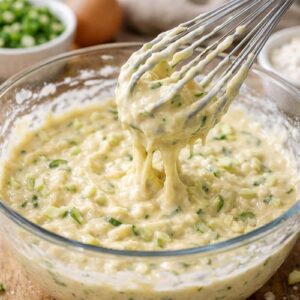
- Add your shredded cabbage, grated carrot, and sliced green onions to the batter, stirring gently until everything is coated evenly in the batter mixture. This looks like you're making a vegetable pancake batter, because you are—but the technical term for what you're creating is a vegetable-studded quick bread batter. The flour creates structure; the eggs create binding; the vegetables provide nutrition and flavor. At this point, taste a tiny spoonful of the raw batter. This is your quality control moment. You should taste the umami of soy sauce, the nuttiness of sesame oil, and the sweetness of vegetables. If it seems flat, add ½ teaspoon more soy sauce. If it's too salty, this usually means you're tasting the salt from the soy sauce more than the vegetables—this will balance out when you cook. Trust the process.
- Heat ½ tablespoon of neutral oil in a 10-inch nonstick or cast iron skillet over medium heat until you see a shimmer across the surface. A properly heated skillet is crucial. If the oil isn't hot enough, your pancakes will absorb oil and become greasy instead of crispy. If it's too hot, the exterior will brown before the interior cooks through. Add ¾ cup of the vegetable-batter mixture to the center of your skillet and use a spatula to press it gently into a circle approximately 6 inches in diameter and ½ inch thick. This isn't aggressive pressing—you're just distributing the batter evenly. Immediately cover the skillet with a lid (a baking sheet works beautifully if you don't have a lid) to trap steam. That steam is where the magic happens. It's what softens the cabbage quickly while the bottom develops a golden crust. Cook for 3 to 5 minutes, checking after 3 minutes to see if the bottom is golden brown. The bottom should release easily from the skillet when it's ready to flip. Flip gently and cook the second side for 2 to 3 minutes until it's equally golden. This side will cook faster because the bottom is already hot.
- Transfer each finished pancake to a plate and cover loosely with aluminum foil to keep warm. You'll typically have enough batter for 4 to 5 pancakes depending on their size. Add an additional ½ tablespoon of oil to the skillet before cooking each new pancake. The oil will continue to cook off and be absorbed, so you need to replenish it each time. While the pancakes cook, combine your mayonnaise and sriracha in a small bowl, whisking until completely smooth. Taste and adjust—if you prefer less heat, use less sriracha. If you want more punch, add another tablespoon. The sriracha-mayonnaise sauce is your finishing element, and it should reflect your personal heat preferences.
- Drizzle the sriracha-mayonnaise generously over each pancake just before serving. Sprinkle with sesame seeds—white, black, or a combination—and garnish with the reserved dark green tops of the green onions. This isn't just decoration; these garnishes add textural contrast, visual appeal, and a burst of fresh flavor that bridges the gap between the cooked vegetables and your palate. Serve immediately while the pancakes are still warm and crispy.
FAQs
Can I make these pancakes with only fresh vegetables instead of leftovers?
Absolutely. These pancakes don’t discriminate based on where your vegetables came from. Fresh cabbage, a fresh carrot, and fresh green onions will work beautifully. The beauty of the recipe is that it works whether you’re using vegetables from this morning’s farmers market or ones that have been in your crisper for a week. The technique is the same; only the flavor profile changes slightly.
Is it safe to use vegetables that have been refrigerated for over a week?
This is an important food safety question. As long as your vegetables don’t show visible mold, haven’t developed a slimy texture, and don’t smell off, they’re safe to use. Vegetables like cabbage and carrots that are whole and properly stored can last 2-3 weeks in your refrigerator. Once you cut into them, the timeline shortens. If you’re unsure, trust your senses—if it smells wrong or feels slippery, discard it.
Can I make these pancakes vegan?
Yes, with modifications. Replace the 2 eggs with aquafaba (the liquid from canned chickpeas)—use ¼ cup of aquafaba whisked with 1 tablespoon of cornstarch as your egg replacement. Use vegan mayonnaise for the sriracha sauce. The pancakes will be slightly less fluffy but still delicious. You might need to add a tablespoon more water to the batter to compensate for the aquafaba’s slightly different hydration properties.
What if my batter is too thin after I’ve added the vegetables?
Add flour by the tablespoon, whisking well between additions, until you reach that thick-pudding consistency. This usually happens when you use vegetables that released a lot of moisture. It’s completely fixable and quite common. The batter should flow like thick pudding when tilted slightly—if it pours like thin pancake batter, add more flour.
Can I cook these pancakes without a lid?
You can, but the results will be different. Without the lid, the vegetables won’t soften as quickly, and you’ll need to cook on lower heat for longer. The exterior might brown before the interior cooks through. If you must cook without a lid, reduce your heat to medium-low and cook for 6-8 minutes per side, pressing gently with your spatula occasionally to encourage contact with the heat. The pancakes won’t be quite as tender, but they will cook through.
More Leftover Transformation Recipes
- Coleslaw Recipe – Transform raw cabbage into an elegant, crunchy side dish that pairs beautifully with these pancakes
- Steak Tacos – Another resourceful way to turn leftover proteins into restaurant-quality dinners
Final Thoughts: The Real Magic of Resourcefulness
These cabbage pancakes represent something I’ve come to deeply believe in as both a dietitian and someone who grew up watching my grandmother transform simple ingredients into celebrations. We’re living in an era where we have unprecedented access to food, yet food waste has never been higher. There’s something quietly revolutionary about looking at what you have and creating something beautiful instead of reaching for something new.
This recipe isn’t about deprivation or making do. It’s about recognizing that some of the best meals come from constraints—from working with what exists rather than always chasing what’s new. Every time you make these pancakes, you’re making a choice that benefits your health, your wallet, and the planet. That’s the real transformation happening here.
I hope these pancakes become a regular feature in your kitchen, just as they’ve become in mine. Make them with whatever vegetables need rescuing. Adapt them to your preferences. Make them with fresh ingredients when that’s what you have. Most importantly, notice how something that started as resourcefulness tastes remarkably like celebration.
Happy cooking!