
Ingredients
Method
Step 1: Roast the Cauliflower While You Prep Everything Else
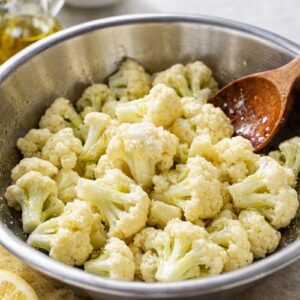
- Preheat your oven to 450 degrees Fahrenheit. While it heats, toss your cauliflower florets with two tablespoons of olive oil, a generous pinch of kosher salt, and several grinds of black pepper. Spread them in a single layer on a baking sheet—don't crowd them, or they'll steam instead of roast. Place them in the oven immediately and set a timer for 20-25 minutes. You want the edges to turn golden brown and slightly crispy; this develops natural sweetness and adds textural contrast to the creamy sauce you're about to make. While they roast, prep your remaining ingredients.
Step 2: Pat Your Chicken Dry and Season Generously
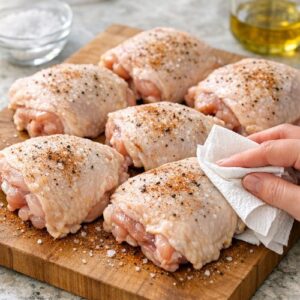
- Remove your six chicken thighs from the package and pat them completely dry with paper towels—moisture is the enemy of crispy skin. This single step is why your chicken will look restaurant-quality. Season both sides of each thigh with a light sprinkle of kosher salt and freshly ground black pepper. Don't be timid; the skin needs seasoning to develop proper flavor. Set them aside on a clean plate while you prepare your aromatics.
Step 3: Sear the Chicken Until the Skin Crackles
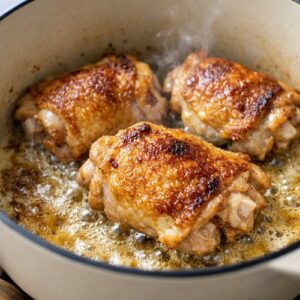
- Melt one tablespoon of unsalted butter in a large Dutch oven or heavy-bottomed pot over medium heat. Once the butter is foaming and smells nutty (about 30 seconds), carefully place three chicken thighs skin-side down in the pot. Don't move them for two to three minutes—resist the urge to fidget. You're building a golden crust that locks in flavor and develops what chefs call the Maillard reaction. After two to three minutes, flip each thigh and sear the other side for another two minutes until light golden. Remove them to a clean plate, then repeat with the remaining three thighs using the second tablespoon of butter. The skin won't be fully cooked yet, but that's intentional.
Step 4: Build Your Sauce Foundation With Aromatics
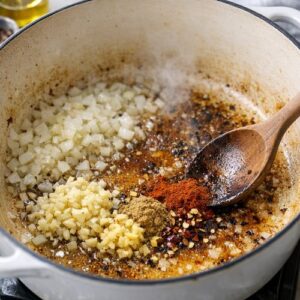
- After removing the second batch of chicken, drain most of the fat from the pot, but intentionally leave two tablespoons behind—this liquid gold contains all the chicken flavor you've just developed. Add your diced shallots to this remaining fat and cook over medium heat, stirring occasionally, for three to five minutes until they're soft and beginning to turn translucent. You'll know they're ready when pressing one between your finger and thumb yields easily. Add your minced garlic and fresh thyme leaves, stirring constantly for about one minute until the mixture becomes fragrant—your kitchen should smell incredible right now.
Step 5: Create the Sauce Base With a Simple Roux
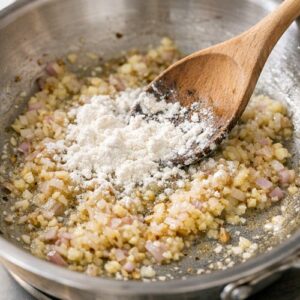
- Sprinkle two tablespoons of all-purpose flour over your shallot-garlic mixture and stir constantly for about one minute. You're creating what's called a roux—a fat-and-flour base that will thicken your sauce. Watch carefully; you want it to turn a light golden color, which indicates the flour is cooking and won't taste raw. This step prevents your sauce from tasting floury and starchy.
Step 6: Deglaze and Build the Sauce
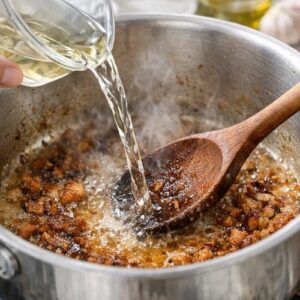
- Pour in your 1/4 cup of dry white wine, then immediately use a wooden spoon to scrape the bottom of the pot, releasing all the caramelized chicken bits stuck there. These browned bits (called fond) are pure flavor and cost you nothing. After the wine reduces slightly (about one minute), pour in your 1 3/4 cups of low-sodium chicken broth. Bring the mixture to a gentle boil, then reduce heat to low. This sauce is building complexity that would take hours with traditional methods, but you'll accomplish it in minutes through proper technique.
Step 7: Nestle the Chicken Back Into the Sauce
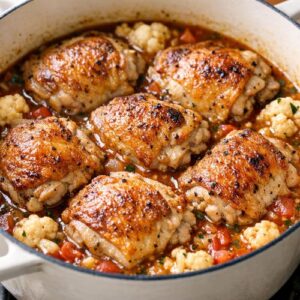
- Return all six seared chicken thighs to the pot, nestling them skin-side up in the simmering sauce. The liquid should partially cover each thigh but not submerge it entirely. Bring the pot to a gentle boil, then reduce heat to low, cover, and simmer for 15-20 minutes until the chicken reaches an internal temperature of 175 degrees Fahrenheit when measured with an instant-read thermometer inserted into the thickest part without touching bone. This moderate temperature is intentional—it keeps the thighs moist and tender rather than dried out.
Step 8: Finish With Spinach, Cheese, and Creaminess
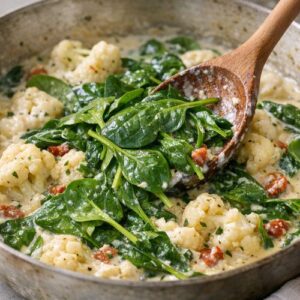
- Remove the chicken thighs from the pot and place them on a warm plate, tented with foil to keep them hot. Stir your four cups of fresh baby spinach (or thawed frozen spinach, squeezed dry) into the simmering sauce. It will look like an enormous amount initially, but spinach reduces dramatically—within two to three minutes, you'll have a dark green, wilted mixture. Add your 1/4 cup of freshly grated Parmesan and your 1/2 cup of half and half, stirring until completely combined and heated through. Don't boil after adding dairy; you want it just hot enough to steam. This creates a silky, luxurious sauce that tastes far more indulgent than its cost suggests.
Step 9: Bring It All Together
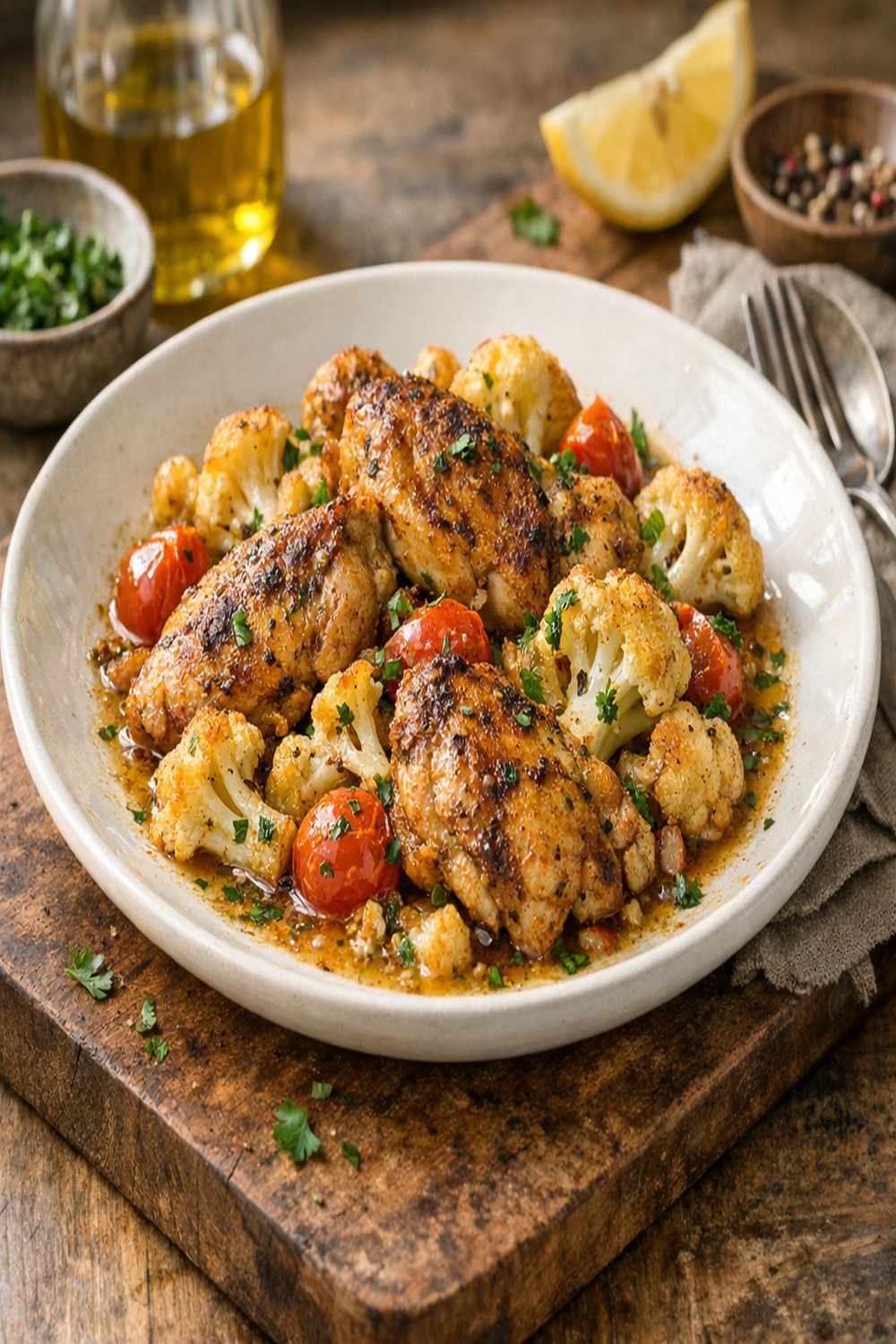
- Remove your roasted cauliflower from the oven—those edges should be golden and crispy. Stir the cauliflower into your sauce until heated through, about one to two minutes. Finally, return your seared chicken thighs to the pot, nestling them back into the creamy sauce. Give everything a gentle stir to combine, then taste and adjust seasoning with additional salt and pepper as needed. Your dinner is ready to serve immediately.

Notes
- Buy chicken thighs on manager's special or at warehouse clubs - Costco, Sam's Club, and BJ's offer the lowest per-pound prices on quality chicken thighs. If you spot them marked down because the sell-by date is tomorrow, buy them immediately and cook the same day. You'll save 30-40% versus regular pricing.
- Choose whole cauliflower over pre-cut florets - A whole head costs $1.50-$2.00 and yields more usable florets than pre-cut options priced at $3.50-$4.50 per pound. Yes, you'll spend five minutes with a knife, but you'll save nearly $1.50. Frozen cauliflower is equally nutritious and costs even less ($0.99 per bag).
- Splurge on one quality ingredient; save on others - I recommend spending slightly more on bone-in chicken thighs and fresh herbs. These are what deliver that restaurant-quality flavor your guests will notice. You can absolutely use store-brand broth, frozen spinach, and budget wine without anyone detecting the difference.