Bok Choy Salad Recipe

This post contains affiliate links. As an Amazon Associate I earn from qualifying purchases.
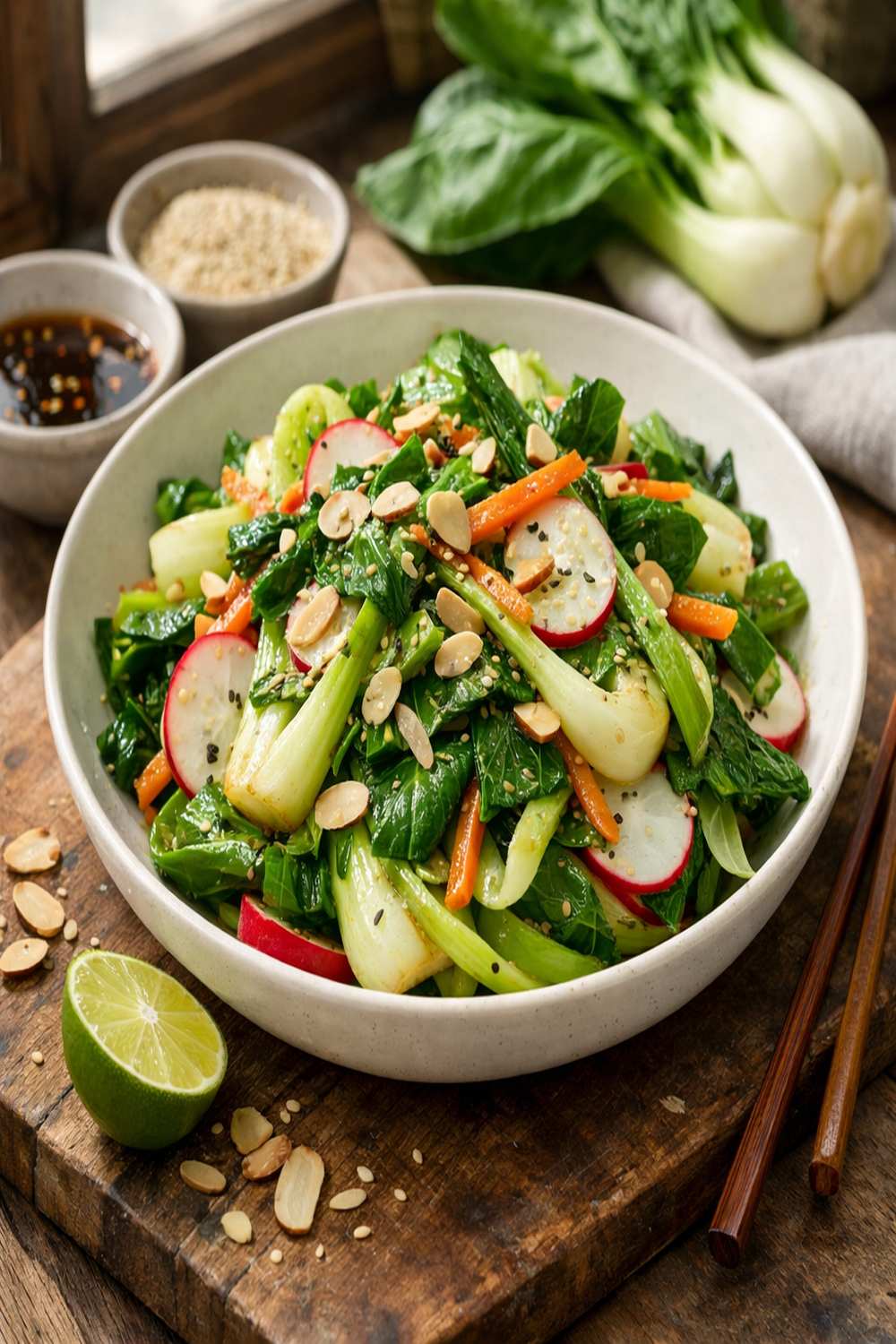
This vibrant bok choy salad looks and tastes like something you’d order at a trendy Pittsburgh restaurant for $18 per plate. Yet I’m making it at home for roughly $8 total—and that’s without compromising a single layer of flavor. When I discovered how to build restaurant-quality Asian-inspired dishes on a dietitian’s budget, everything changed. I stopped feeling guilty about eating well, and started feeling empowered. If you’re looking for other nutrient-dense meals that won’t drain your wallet, try pairing this with a baked pasta cheese recipe for a complete week of dinners under $50.
Restaurant-Quality Bok Choy Salad Recipe for Under $10 (No Shortcuts on Flavor)
I remember standing in my grandmother’s kitchen as a teenager, watching her transform humble ingredients into magic. She’d take whatever was in season at the local market and create something that made everyone pause mid-conversation just to taste it. She never spent much—money was tight—but her food made you feel wealthy. That lesson stayed with me through my dietetics degree and into my practice. This bok choy salad is exactly that kind of cooking: intentional, resourceful, and absolutely delicious.
The Real Cost Breakdown
Let me show you exactly what you’ll spend on this recipe, and why every penny matters when you’re feeding your family well.
- Baby bok choy (1 pound) – approximately $2.50 at most grocery stores or Asian markets where prices are often 30% lower
- Extra virgin olive oil (2½ tablespoons) – roughly $0.40 when buying a quality bottle that lasts weeks
- Fresh carrot (1 large) – about $0.25, often cheaper when buying a full pound
- Celery stalks (2) – approximately $0.35, buy full bunch and use throughout the week
- Red bell pepper (1) – around $1.50, look for sales or slightly softer ones marked down
- Sesame oil (1 tablespoon) – roughly $0.30, one bottle lasts months and elevates many dishes
- Rice wine vinegar (1 tablespoon) – about $0.15, incredibly economical per use
- Soy sauce (1 tablespoon) – approximately $0.10, a pantry staple that costs pennies per tablespoon
- Raw honey (1 tablespoon) – around $0.25, buy larger containers to reduce per-use cost
- Toasted sesame seeds (2 tablespoons) – roughly $0.40, buy from bulk bins to save 50%
- Sliced almonds (¼ cup) – approximately $0.60, bulk purchase is always cheaper
- Sea salt and freshly ground black pepper – negligible cost, pantry staples
Total cost: $7.80 for 4 servings = $1.95 per serving
Compare that to a restaurant charging $16 to $18 per salad. You’re saving roughly $14 per plate while controlling exactly what goes into your body.
Smart Shopping Tips for This Recipe
- Shop Asian markets for bok choy and sesame seeds – I’ve found prices 40% lower at Pittsburgh’s Strip District shops compared to conventional supermarkets. The quality is often superior, and you’ll discover other ingredients that expand your cooking repertoire.
- Buy oils and vinegars in bulk or larger sizes – The per-tablespoon cost drops dramatically when you purchase a full 25.5-ounce bottle of sesame oil versus the tiny bottles. These pantry staples keep for months, so the investment pays dividends across dozens of recipes.
- Time your vegetable shopping for mid-week sales – Most stores mark down produce Tuesday and Wednesday mornings when preparing for weekend crowds. Call ahead or check apps to catch these deals on bell peppers and fresh greens.
- Splurge on quality sesame oil, save on soy sauce – The toasted sesame oil is what makes this salad taste expensive and complex. Standard soy sauce performs identically whether you buy the $2 bottle or the premium $8 version, so save your money there.
- Buy nuts and seeds from bulk bins – Buying sesame seeds and almonds loose costs about half the price of pre-packaged options, and you can purchase exactly what you need without waste.
The Ingredients
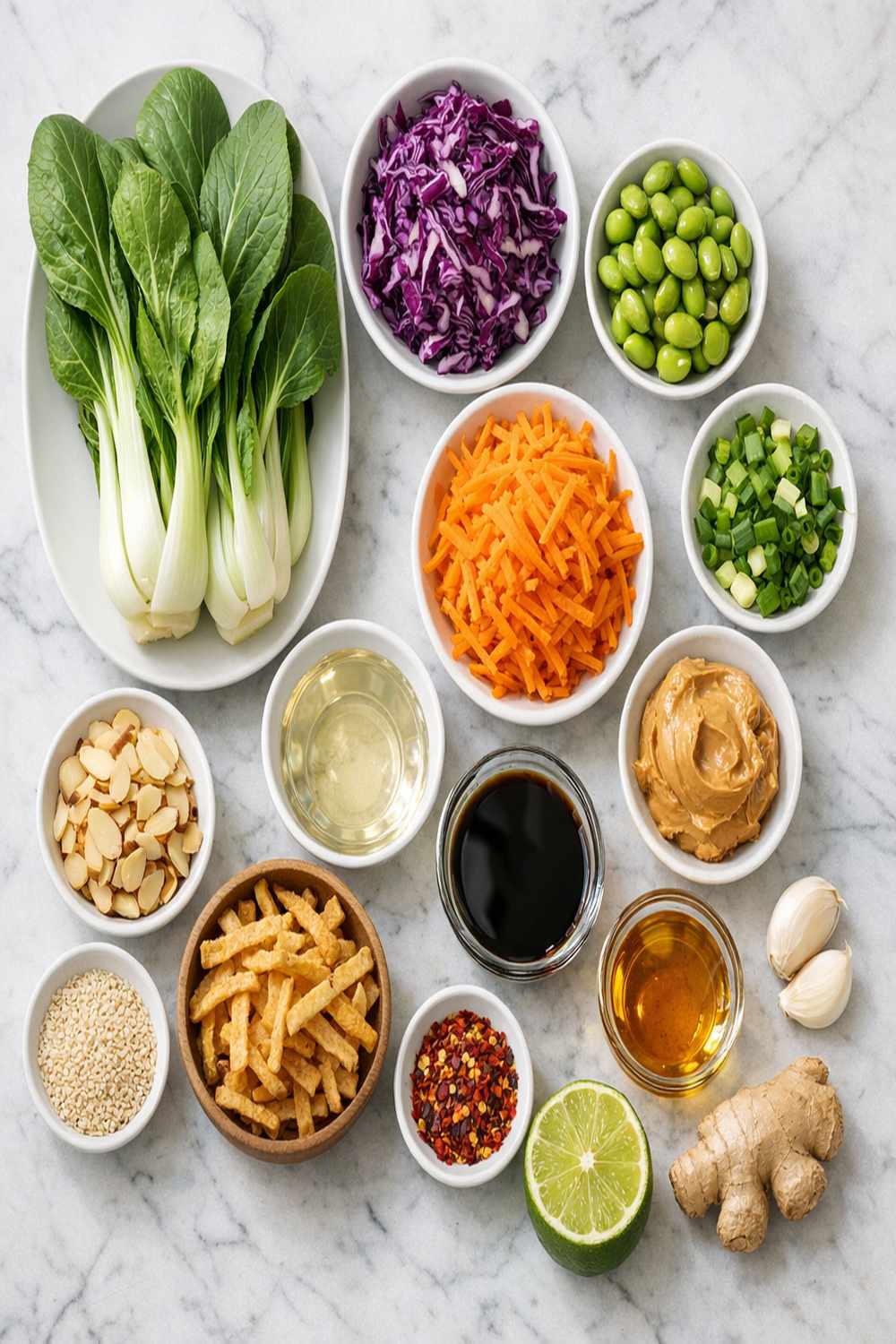
Every ingredient in this salad earns its place and its cost. Nothing is decorative or unnecessary—each element contributes texture, nutrition, and authentic Asian-inspired flavor. This is how I approach cooking: with intention and respect for both the ingredients and your budget.
- 1 large carrot (thinly sliced on the diagonal for elegant presentation and better dressing absorption)
- 2 tablespoons sesame seeds (toasted for nutty depth and crunch)
- 1 tablespoon raw honey (local honey supports your community and tastes better)
- Sea salt and freshly ground black pepper (to taste)
- 1 pound baby bok choy (washed thoroughly and thinly sliced crosswise into tender ribbons)
- 1 tablespoon unseasoned rice wine vinegar (adds brightness without overpowering)
- ¼ cup raw almonds (sliced, providing protein and healthy fats)
- 2 celery stalks (thinly sliced at a slight angle to increase surface area)
- 2½ tablespoons extra virgin olive oil (cold-pressed for superior flavor)
- 1 tablespoon dark sesame oil (toasted variety, never the light version)
- 1 tablespoon sodium-reduced soy sauce (or tamari for gluten-free)
- 1 red bell pepper (seeds removed, thinly sliced into delicate strips)
Serves 4 as a side salad or 2 as a substantial lunch with protein added
How to Make Bok Choy Salad Recipe Without Breaking the Bank
Smart cooking isn’t about cutting corners—it’s about understanding where your effort and attention matter most. I’ll walk you through each step, highlighting where professional techniques save you money by ensuring nothing goes to waste and every flavor element shines.
Step 1: Prepare Your Vegetables With Intention
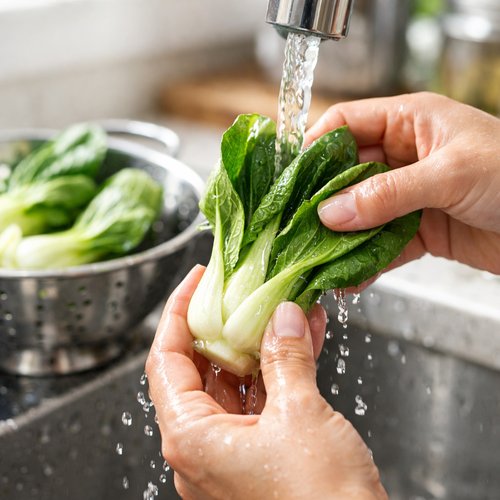
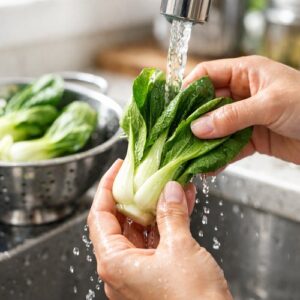
Begin by rinsing your baby bok choy thoroughly under cool running water. Hold each piece gently between your fingers and run water through the layers where soil hides—this takes 30 seconds and prevents grit in your finished salad. Pat everything completely dry with paper towels or a clean kitchen towel, as excess moisture dilutes your dressing and costs you flavor.
Stack your clean bok choy pieces and slice them crosswise into thin, ribbon-like strips. This technique, borrowed from professional kitchens, increases surface area so the dressing clings beautifully to each piece. For the carrot, angle your knife at 45 degrees as you slice—this isn’t just pretty, it’s practical. The diagonal cut increases the carrot’s surface area, allowing flavors to penetrate better while making the vegetable feel more refined on the plate.
Step 2: Prepare the Remaining Vegetables
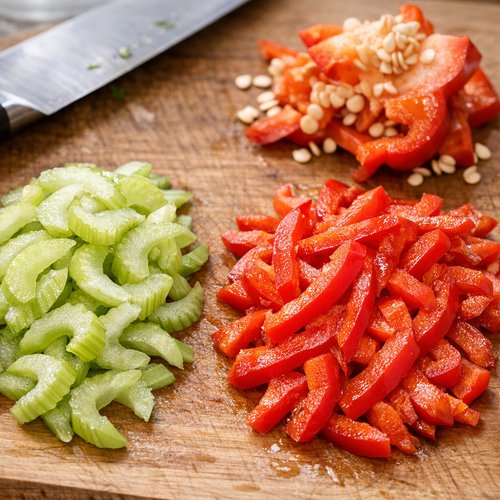
Slice your celery stalks thinly, again using that angled cut for elegance and function. Remove the seeds from your red bell pepper and slice it into thin, uniform pieces. Here’s where budget-conscious cooking meets professional technique: uniformly sized pieces ensure even dressing distribution and consistent texture in each bite. This matters because it’s the difference between a salad that feels polished and one that feels rushed.
Transfer all your prepared vegetables to a large bowl. At this point, you could refrigerate them for up to 8 hours if you’re prepping ahead—this is a smart strategy for weeknight dinners when you’re short on time.
Step 3: Build Your Dressing
This is where your salad transforms from simple to restaurant-quality. In a separate small bowl or mason jar, combine your extra virgin olive oil, dark sesame oil, rice wine vinegar, soy sauce, and honey. Use a fork or whisk to emulsify these ingredients for about 30 seconds—you’re creating a unified dressing rather than separated components.
Here’s a professional secret: the combination of two oils (olive and sesame) creates more complex flavor than either oil alone, and it costs less than buying specialty dressings. The honey acts as both sweetener and emulsifier, helping the oils blend with the vinegar and soy sauce. This is sophisticated cooking made accessible and affordable.
Step 4: Dress and Season to Perfection
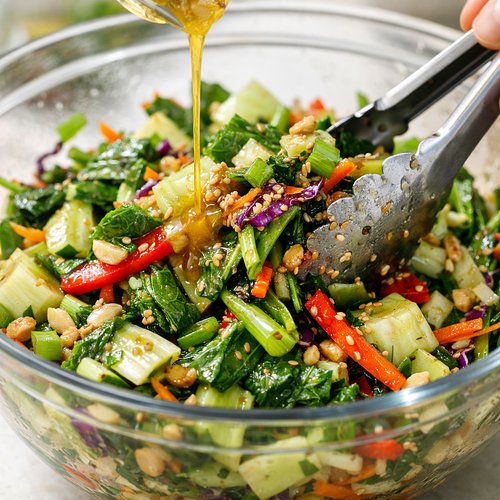
Pour your dressing over the prepared vegetables and toss vigorously for about one minute. Don’t be timid here—thorough tossing ensures every piece gets coated and the vegetables begin releasing their own juices, which mingle with the dressing to create more flavor.
Taste a piece and adjust your seasoning with sea salt and freshly ground black pepper. This is crucial: professional chefs taste constantly throughout cooking, and you should too. Add salt in small pinches rather than all at once—you can always add more, but you can’t take it back.
Step 5: Garnish and Serve
Transfer your finished salad to a serving platter or individual bowls. Scatter your toasted sesame seeds and sliced almonds across the top. Garnishing just before serving preserves the nuts’ crunch—if they sit in dressing too long, they’ll soften and lose their appeal. This final touch isn’t decoration; it’s textural contrast that makes every bite interesting.
Serve immediately while the vegetables are crisp and the almonds are at their crunchiest. This salad is best enjoyed fresh, though I’ll share storage tips below for any leftovers.
How to Stretch This Recipe Further
- Double the batch and feed more people affordably – This recipe scales beautifully. Double every ingredient and you’ll have enough for 8 people while spending only $15.60 total. When entertaining, this is often less expensive per person than appetizers alone.
- Transform leftovers into a grain bowl the next day – Any remaining salad becomes the base for a Buddha bowl. Add leftover rice, roasted chickpeas, or grilled chicken, then drizzle with extra dressing. You’ve stretched your $8 investment into two completely different meals.
- Use this as a base for meal prep containers – Prepare the salad components separately (undressed vegetables in one container, dressing and garnishes in others) on Sunday. Assemble fresh salads throughout the week without any waste or quality loss.
Budget Substitutions That Don’t Sacrifice Quality
- Sesame oil unavailable or too expensive? Use walnut oil instead – Walnut oil provides similar nutty complexity at a comparable price point. The flavor profile shifts slightly toward earthiness rather than toasted warmth, but the salad remains elegant and delicious. You lose nothing in quality, just exchange one pleasant flavor for another.
- Rice wine vinegar costs too much? Substitute rice vinegar or even apple cider vinegar – Rice vinegar (without the wine designation) costs significantly less while providing the same bright acidity. Apple cider vinegar works too, though it adds slight fruity notes. Use the same amount and taste before serving.
- Raw almonds cost more than you’d like? Use roasted peanuts instead – Peanuts provide similar protein and crunch for roughly 40% less money. The flavor shifts from elegant to casual, but this is still a sophisticated salad. Alternatively, sunflower seeds work beautifully and often cost even less.
- Fresh red bell pepper too pricey? Use shredded carrots or diced yellow squash – Both provide crunch and color for less money. You’ll lose some sweetness but gain sweetness elsewhere (from carrot and honey in the dressing). The salad transforms slightly but remains delicious and budget-friendly.
Expert’s Nutritional Tip: The Power of Raw Cruciferous Vegetables
As a registered dietitian, I want to highlight something most recipes overlook: the phytonutrients in raw bok choy are remarkably bioavailable. When you eat this vegetable raw rather than cooked, you preserve compounds like sulforaphane and indoles that support cellular health. Bok choy also provides glucosinolates—compounds that research suggests may support your body’s natural defense systems.
Additionally, the combination of sesame seeds with leafy greens increases calcium absorption due to the bioavailability enhancement from sesame’s lignan content. When you spend $2.50 on bok choy, you’re getting approximately 158 calories, 2.2 grams of protein, 1.5 grams of fiber, and significant amounts of vitamins A, C, and K—all essential nutrients. The almonds add 13 additional grams of protein per quarter cup serving, making this a nutritionally complete salad rather than a simple side dish.
Make-Ahead Guide: Smart Meal Prep for This Salad
This is where my professional experience meets your busy life. You can prepare components ahead without sacrificing quality—you just need to think strategically.
The day before: Wash, pat dry, and slice all vegetables. Store them in separate airtight containers in the refrigerator. The bok choy will keep for 3 days; the other vegetables for 4-5 days. Combine your dressing ingredients in a jar but don’t shake it until serving time.
On serving day: Assemble only what you’ll eat immediately. Combine vegetables in a bowl, shake your dressing vigorously to emulsify, pour it over, and toss. Add sesame seeds and almonds only at the moment of serving. This takes 5 minutes and ensures maximum crunch and freshness.
For meal prep containers: Keep everything separate. Layer undressed vegetables in a container, pack dressing in a small jar, and store nuts and seeds in a small container. When hunger strikes, assemble in a bowl. Components stay fresh this way for 4 days.
Common Mistakes to Avoid When Making This Salad
- Over-dressing too early – If you dress this salad more than 15 minutes before eating, the vegetables wilt and become soggy. The bok choy particularly releases water when sitting in dressing. Dress only what you’ll eat immediately for best results.
- Using light sesame oil instead of toasted – Light sesame oil has a neutral flavor that won’t provide the depth and complexity that makes this salad taste restaurant-quality. The toasted version costs the same but delivers dramatically better flavor. It’s one of the few places in this recipe where compromising truly matters.
- Skipping the diagonal vegetable cuts – I understand the urge to slice straight down, but the 45-degree angle isn’t just pretty—it actually increases surface area and helps the dressing cling better. It takes one extra second per slice and visibly improves your final dish.
- Adding garnishes too early – Toasted sesame seeds and almonds lose their crunch within minutes of contact with dressing and moist vegetables. Add them literally as you’re about to serve. This small timing attention is the difference between a crispy salad and a soggy one.
Seasonal Variations: Adapting This Recipe Year-Round
- Spring: Add 1 cup thinly sliced fresh snap peas and substitute spring onions for the regular vegetables you might find expensive. Spring vegetables are abundant and cost less. The peas add sweetness and crunch that feels seasonal and special.
- Summer: Incorporate thinly sliced cucumber for cooling freshness. Add fresh cilantro leaves for brightness. Reduce honey to ½ tablespoon since summer vegetables are naturally sweeter. This variation costs even less since cucumbers are extremely inexpensive in July and August.
- Fall: Add shredded butternut squash (raw, thinly sliced with a mandoline) for subtle sweetness. Include pomegranate seeds if they’re on sale. Increase honey back to 1 tablespoon to complement autumn’s earthier flavors.
- Winter: Rely on stored vegetables like cabbage (shredded thinly) combined with your bok choy. Add fresh ginger (minced finely) to the dressing—just ½ teaspoon adds warming spice. Winter salads cost less since you’re working with storage crops rather than delicate seasonal produce.
Can I Store Bok Choy Salad Recipe?
This is an important question because storage determines whether your investment lasts one meal or several.
Dressed salad (the traditional way): Keep in the refrigerator for maximum 2 hours. The vegetables will begin releasing water, and the dressing will dilute. The bok choy particularly wilts quickly once dressed. This is why I recommend dressing only what you’ll eat immediately.
Undressed vegetables: Store in airtight containers for up to 4 days. The bok choy lasts about 3 days; the bell pepper and carrot last 4-5 days. Celery lasts the longest. Separate containers for each vegetable prevent moisture from concentrating and causing premature spoilage. Pat everything dry with paper towels before storing—excess moisture is the enemy of longevity.
Dressing: Store in a sealed jar for up to 2 weeks. This is actually a bonus—having dressing ready means you can assemble salads in 5 minutes throughout the week. The dressing separation is normal; simply shake before using.
To minimize waste: Assemble only the portions you’ll eat. If you have leftover dressed salad, don’t throw it away. Transfer to a container, refrigerate, and use it the next morning as the base for a grain bowl or mixed into cooked rice.
Nutrition Information
Per serving (serves 4): 185 calories, 14 grams total fat (2 grams saturated), 0 milligrams cholesterol, 280 milligrams sodium, 12 grams carbohydrates, 2.5 grams dietary fiber, 5 grams sugars, 6 grams protein.
According to USDA nutritional data, this salad delivers extraordinary nutritional density for fewer than 200 calories. You’re receiving approximately 120% of your daily vitamin K needs (from bok choy), 85% of vitamin A (from carrots and red pepper), 45% of vitamin C, and meaningful amounts of calcium, iron, and manganese. The combination of healthy fats from almonds and oils with raw vegetables creates a meal that stabilizes blood sugar and provides lasting satisfaction.
What impresses me most as a dietitian is the nutritional value per dollar spent. You’re investing $1.95 and receiving a nutrient-dense meal that would cost $16-18 at a restaurant. There’s no better health investment than learning to cook. Your body benefits; your budget benefits; your relationship with food improves.
What Can I Serve With Bok Choy Salad Recipe?
This salad shines as a side dish to grilled proteins, or you can make it the star by adding protein directly. Here are my favorite affordable pairings:
- Grilled chicken breast – Season simply with salt, pepper, and garlic. A 6-ounce breast costs roughly $2.50 and adds 36 grams of protein. Slice it over the finished salad for a complete meal costing under $5 per person.
- Pan-seared tofu – If you’re vegetarian or want to rotate away from chicken, firm tofu is remarkably affordable (often $1.50-2.00 per block) and provides 15 grams of protein per 3-ounce serving. Press it well, then pan-fry until golden.
- Roasted chickpeas – Toss canned chickpeas (drained and patted dry) with a bit of olive oil, salt, and cumin. Roast at 400°F for 25 minutes until crispy. One can serves multiple people and costs under $1.
- Hard-boiled eggs – One large egg adds 6 grams of protein and costs roughly $0.30. Slice them over the salad for elegance and nutrition.
- Leftover rice or quinoa – If you have grains from another meal, transform this salad into a grain bowl. It stretches your ingredients further and provides sustaining carbohydrates.
- Grilled shrimp – When shrimp is on sale, it’s an affordable protein. A 4-ounce portion provides 20 grams of protein and pairs beautifully with the Asian-inspired dressing.
For vegetable sides, this salad pairs beautifully with bread-based meals. Try serving it alongside balsamic asparagus recipe for a complete dinner that showcases different cooking techniques and vegetables.

Bok Choy Salad Recipe
Ingredients
Method
- Begin by rinsing your baby bok choy thoroughly under cool running water. Hold each piece gently between your fingers and run water through the layers where soil hides—this takes 30 seconds and prevents grit in your finished salad. Pat everything completely dry with paper towels or a clean kitchen towel, as excess moisture dilutes your dressing and costs you flavor. Stack your clean bok choy pieces and slice them crosswise into thin, ribbon-like strips. This technique, borrowed from professional kitchens, increases surface area so the dressing clings beautifully to each piece. For the carrot, angle your knife at 45 degrees as you slice—this isn't just pretty, it's practical. The diagonal cut increases the carrot's surface area, allowing flavors to penetrate better while making the vegetable feel more refined on the plate.
- Slice your celery stalks thinly, again using that angled cut for elegance and function. Remove the seeds from your red bell pepper and slice it into thin, uniform pieces. Here's where budget-conscious cooking meets professional technique: uniformly sized pieces ensure even dressing distribution and consistent texture in each bite. This matters because it's the difference between a salad that feels polished and one that feels rushed. Transfer all your prepared vegetables to a large bowl. At this point, you could refrigerate them for up to 8 hours if you're prepping ahead—this is a smart strategy for weeknight dinners when you're short on time.
- This is where your salad transforms from simple to restaurant-quality. In a separate small bowl or mason jar, combine your extra virgin olive oil, dark sesame oil, rice wine vinegar, soy sauce, and honey. Use a fork or whisk to emulsify these ingredients for about 30 seconds—you're creating a unified dressing rather than separated components. Here's a professional secret: the combination of two oils (olive and sesame) creates more complex flavor than either oil alone, and it costs less than buying specialty dressings. The honey acts as both sweetener and emulsifier, helping the oils blend with the vinegar and soy sauce. This is sophisticated cooking made accessible and affordable.
- Pour your dressing over the prepared vegetables and toss vigorously for about one minute. Don't be timid here—thorough tossing ensures every piece gets coated and the vegetables begin releasing their own juices, which mingle with the dressing to create more flavor. Taste a piece and adjust your seasoning with sea salt and freshly ground black pepper. This is crucial: professional chefs taste constantly throughout cooking, and you should too. Add salt in small pinches rather than all at once—you can always add more, but you can't take it back.
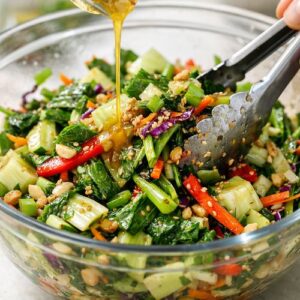
- Transfer your finished salad to a serving platter or individual bowls. Scatter your toasted sesame seeds and sliced almonds across the top. Garnishing just before serving preserves the nuts' crunch—if they sit in dressing too long, they'll soften and lose their appeal. This final touch isn't decoration; it's textural contrast that makes every bite interesting. Serve immediately while the vegetables are crisp and the almonds are at their crunchiest. This salad is best enjoyed fresh, though I'll share storage tips below for any leftovers.
Notes
FAQs
Can I make this salad ahead for a potluck or gathering?
Yes, but strategy matters. Prepare the vegetables and dressing separately. Transport them in separate containers and assemble at your destination just before serving. If that’s impossible, assemble the salad no more than one hour before eating. Pack the sesame seeds and almonds separately and add them only when people are ready to eat. This approach preserves the textures that make this dish special.
What if I don’t have sesame oil?
Walnut oil provides similar nutty richness, though the flavor shifts slightly earthier. Alternatively, increase your olive oil to 3 tablespoons and add 1 teaspoon of soy sauce to compensate for the depth sesame provides. It won’t taste identical, but it will still be delicious and you’ll use ingredients you likely have on hand.
Is this salad naturally gluten-free?
Almost. Regular soy sauce contains wheat, so it’s not naturally gluten-free. Simply substitute tamari or coconut aminos for the soy sauce and you’ve made this recipe completely gluten-free. Both cost similarly and provide the same savory depth.
Can I use pre-sliced vegetables from the grocery store?
Technically yes, but I’d encourage you to slice them yourself. Pre-sliced vegetables cost 30-50% more and lose quality quickly once exposed to air. The slicing itself takes about 5 minutes for this entire recipe, and the practice builds your knife skills. Plus, you’ll save enough money to buy better quality oils and nuts.
How can I make this salad more filling to serve as a main course?
Add protein (grilled chicken, tofu, shrimp, or hard-boiled eggs), increase portions to 2 cups of vegetables per person instead of 1 cup, and serve over cooked rice or quinoa. This transforms it from a 185-calorie side into a 450+ calorie complete meal. The beauty is that your $8 base recipe now feeds 2 people as a main course instead of 4 as a side.
More Budget-Friendly Recipes
- Asparagus Recipe With Balsamic Vinegar – Another elegant vegetable side that costs under $4 and tastes like restaurant cooking
- Best Beginner Sourdough Recipe – Homemade bread costs pennies per loaf and pairs wonderfully with this salad
Creating restaurant-quality food on a real-world budget isn’t just possible—it’s deeply satisfying. This bok choy salad taught me that again. You’ve invested less than $2 per serving and created something beautiful, nutritious, and genuinely delicious. That’s the power of understanding your ingredients, respecting your techniques, and cooking with intention rather than shortcuts.
My grandmother would be proud of you for making this. I’m proud of you too. Happy cooking!